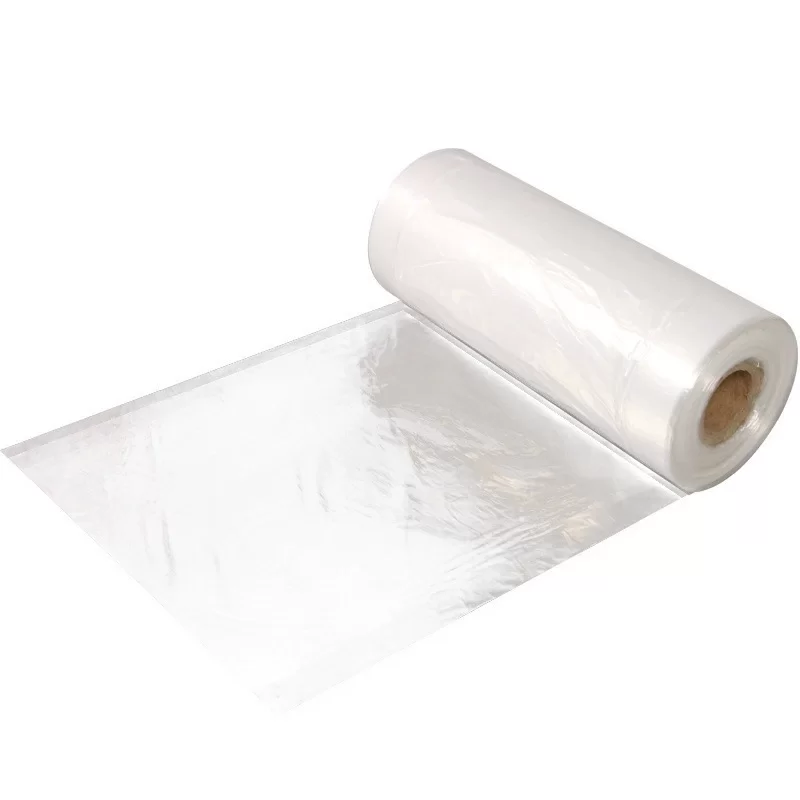
Packaging Roll
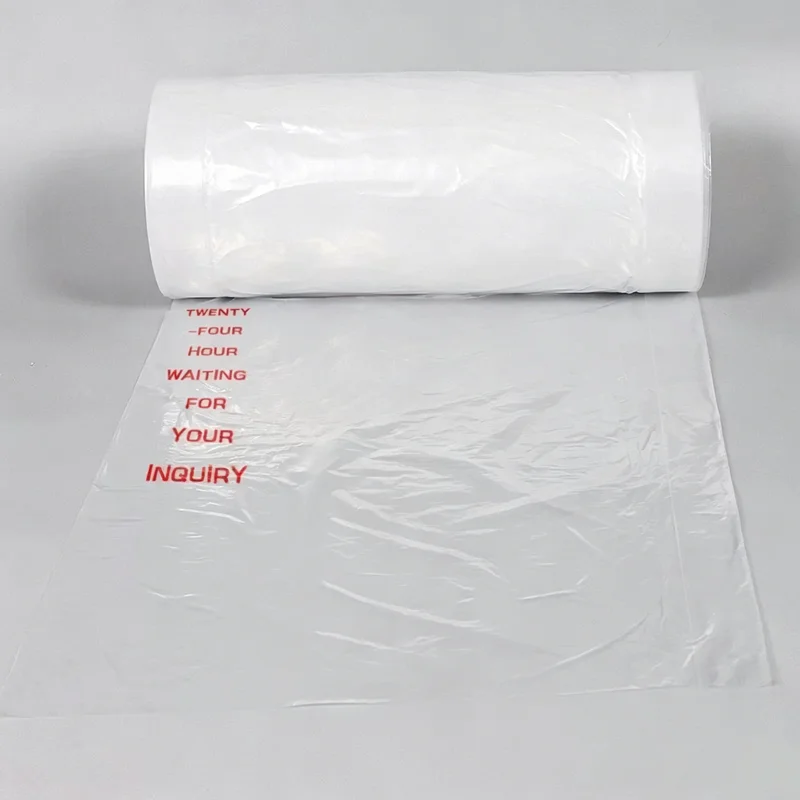
Product Features
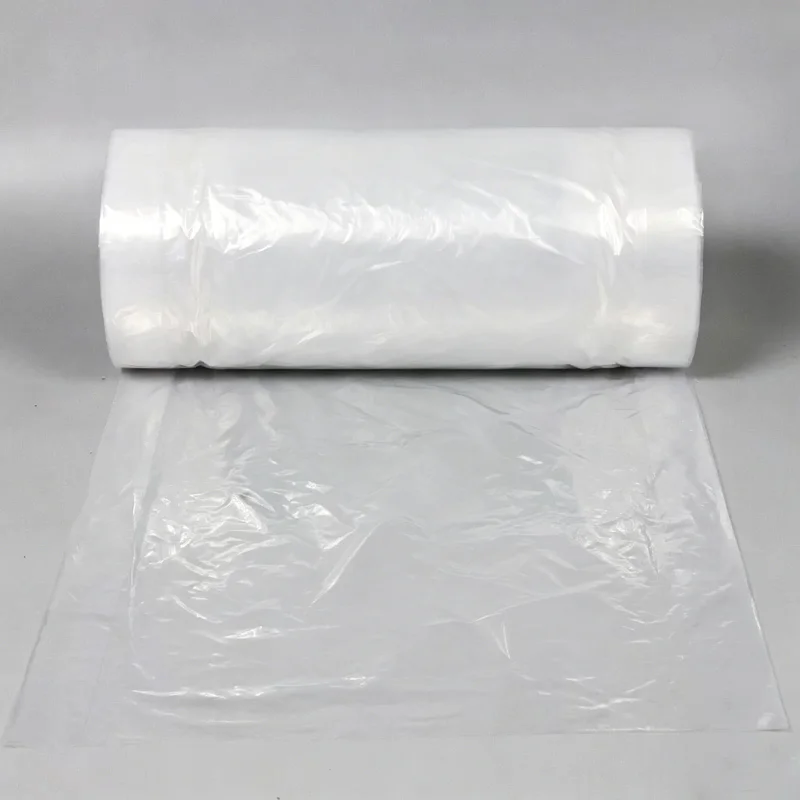
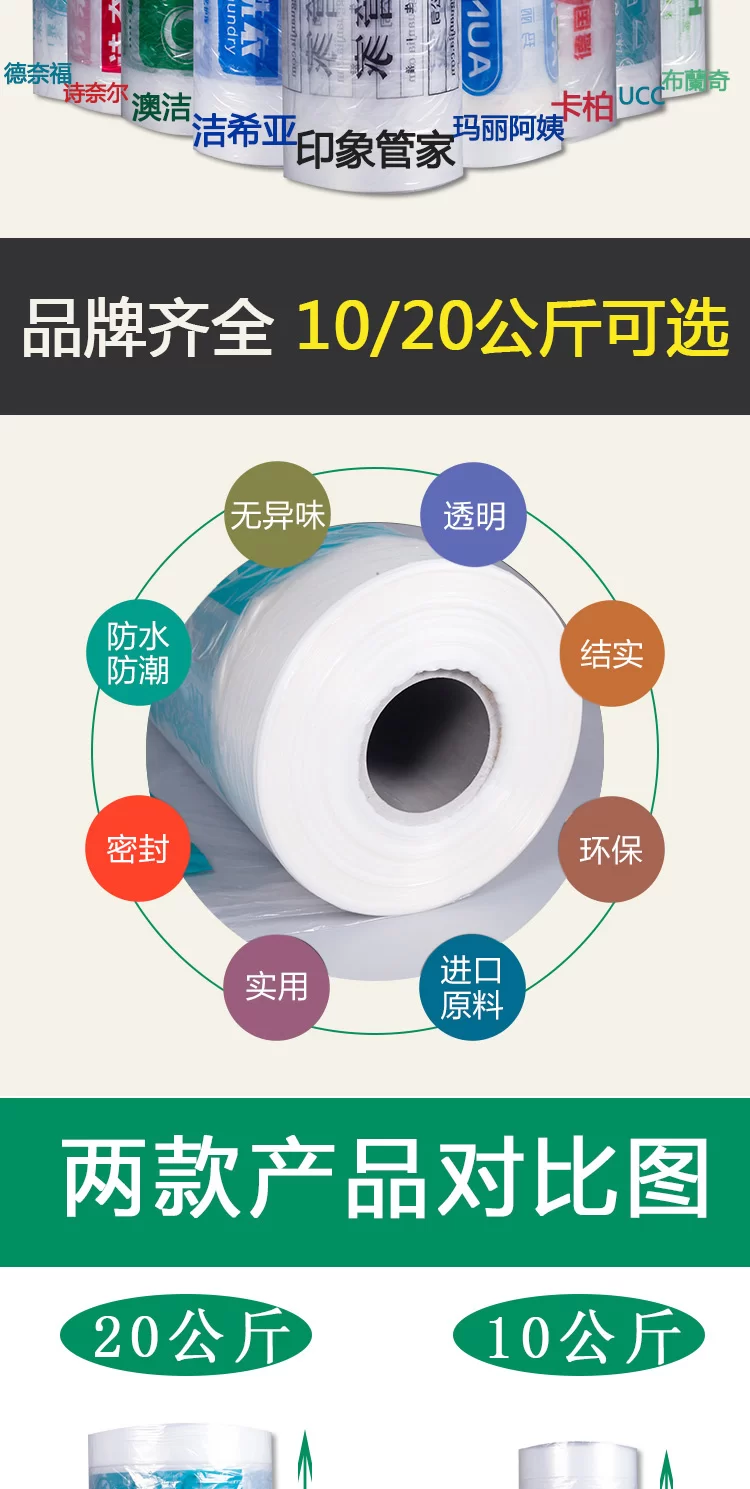
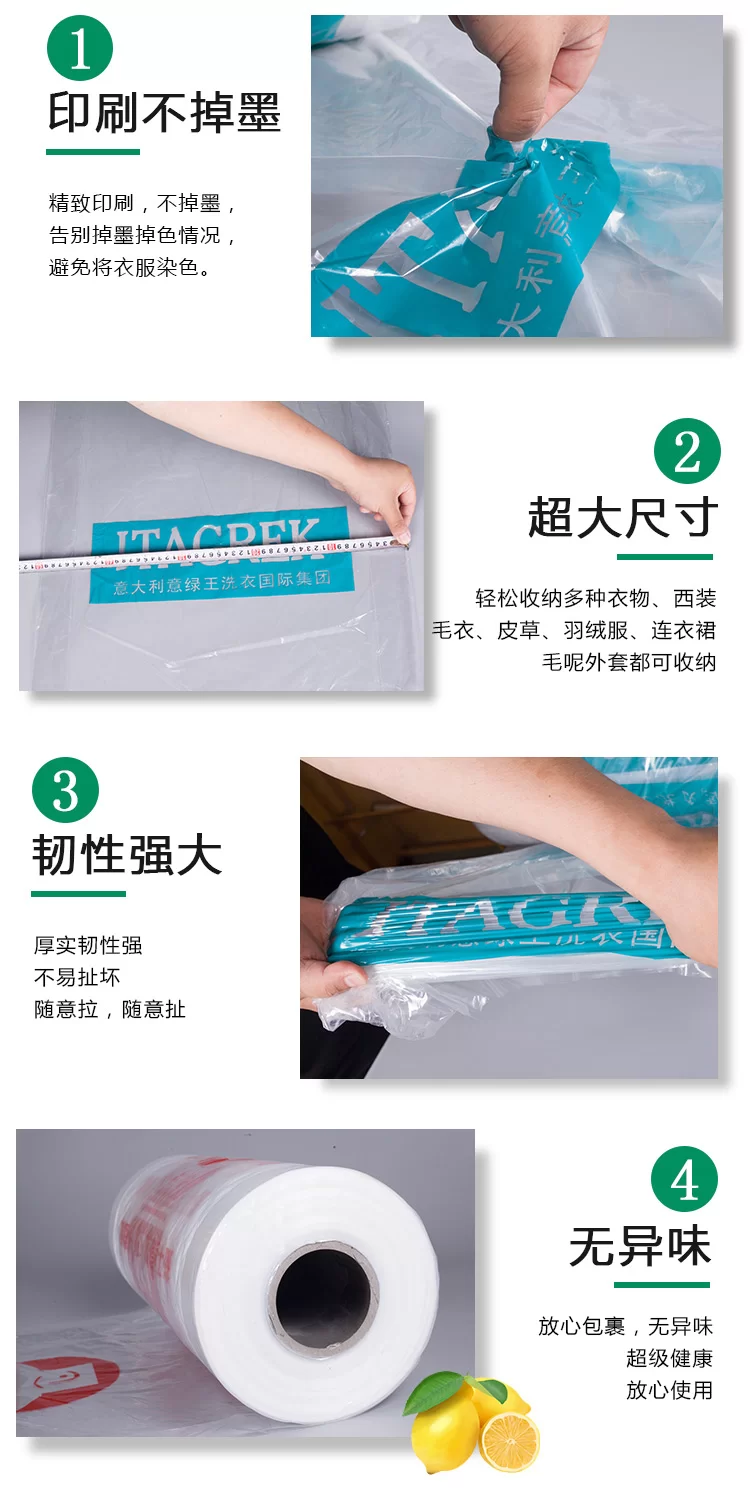
1. Integrated molding: Different from the household point break type, it adopts the whole roll without break process, with a smooth and continuous film surface. It can be freely and accurately cut according to the length of the clothing (as short as 30cm, suitable for shirts, and as long as 150cm, suitable for long coats), completely avoiding the problem of "fixed length and material waste" caused by point break type. Each roll can pack 10% -15% more clothing.
2. Comprehensive protection of washing results against dust, moisture, and dirt
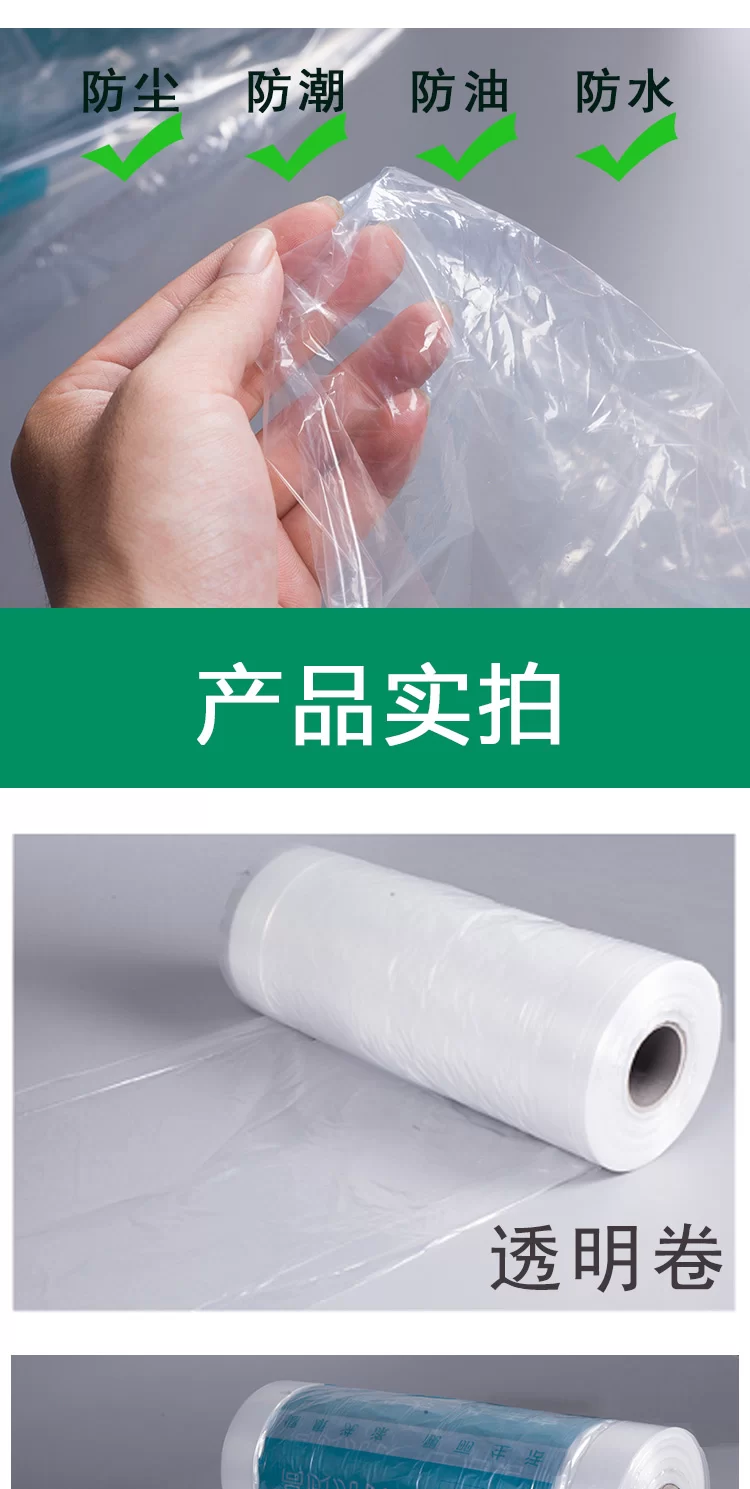
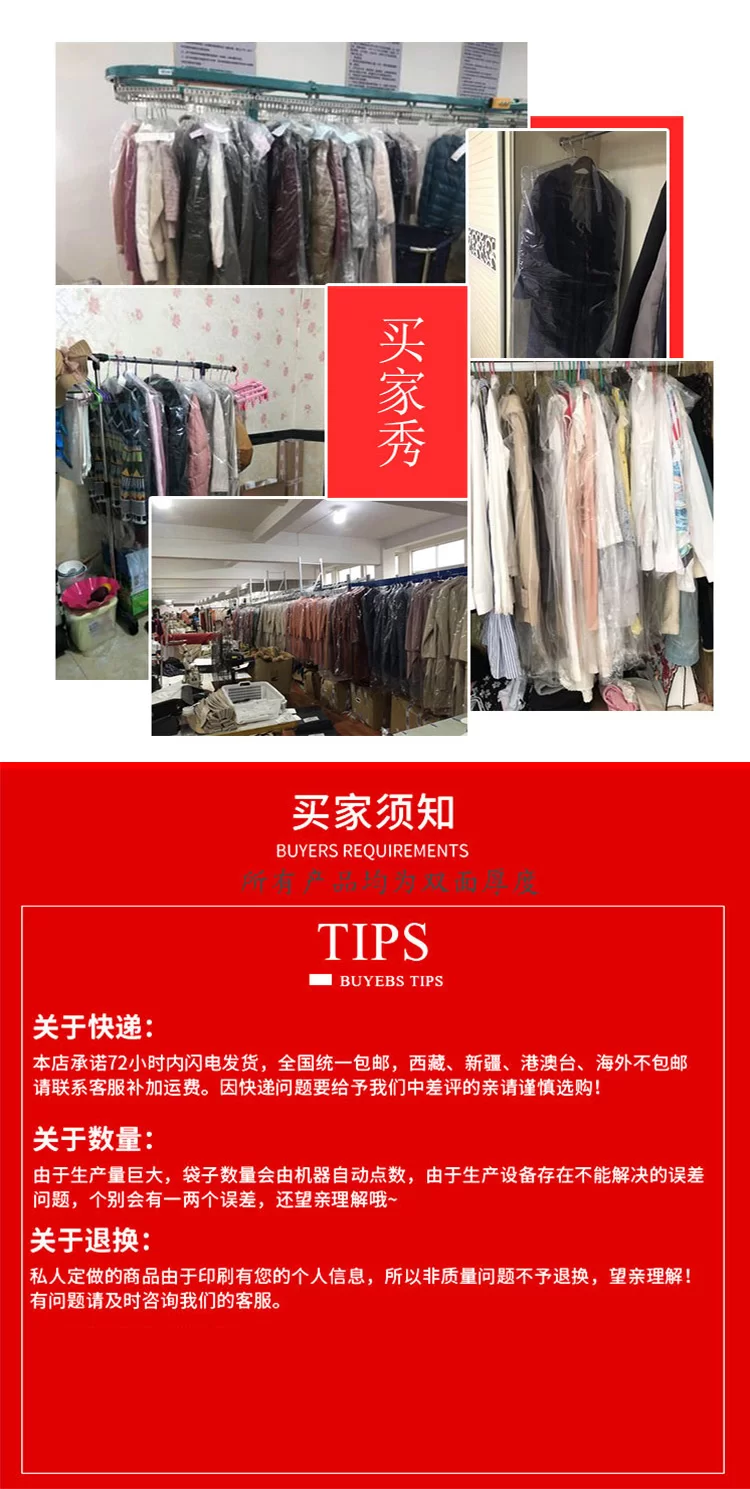
Sealed protection upgrade: The membrane surface is smooth and pore free, effectively isolating dust, moisture, oil fumes, and pet hair, ensuring that clothes are always clean and new from the dry cleaner to the customer's hands.
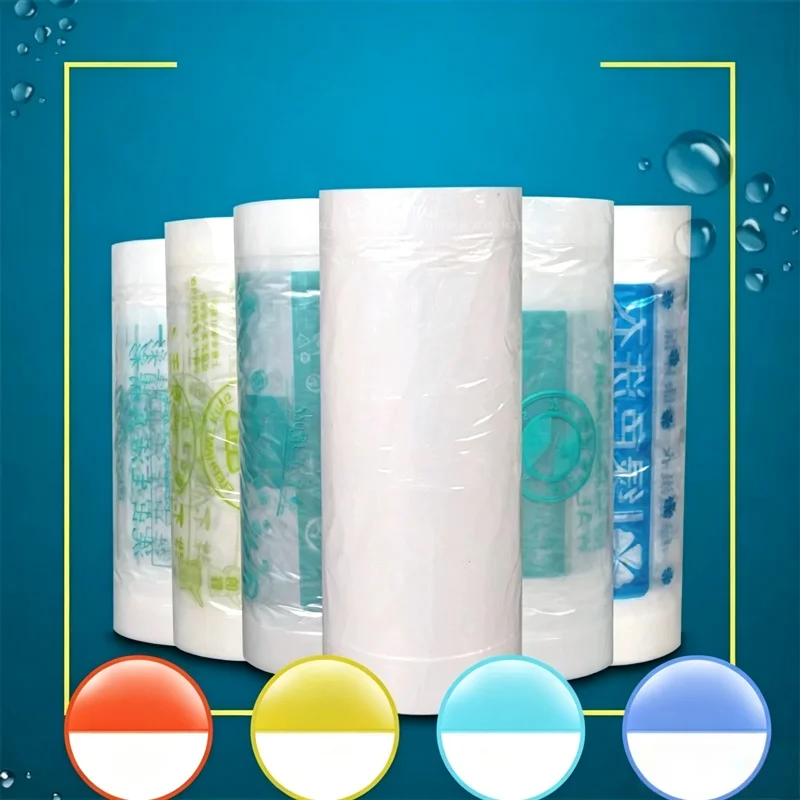
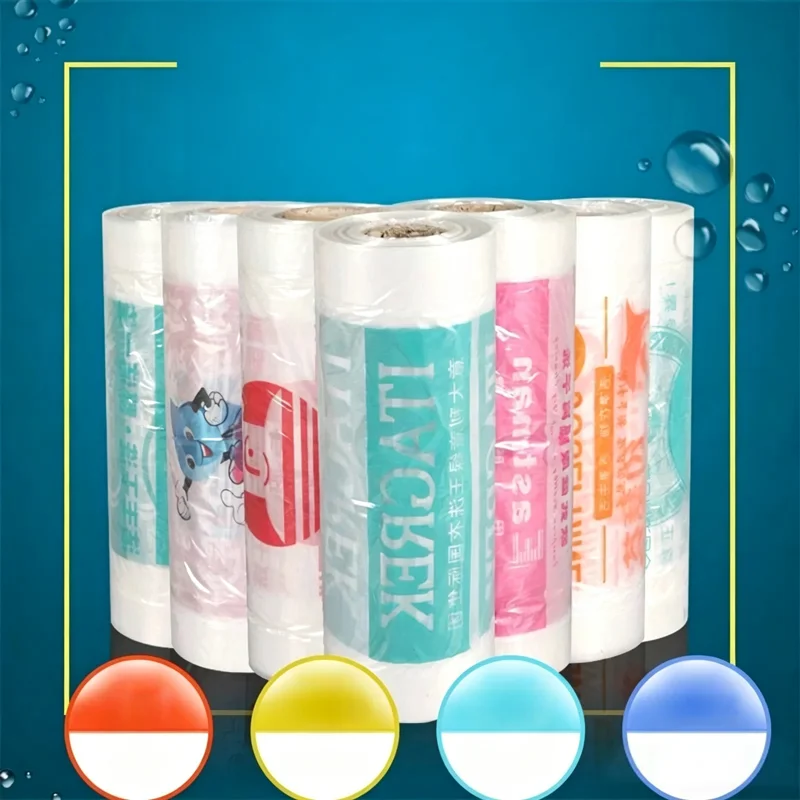
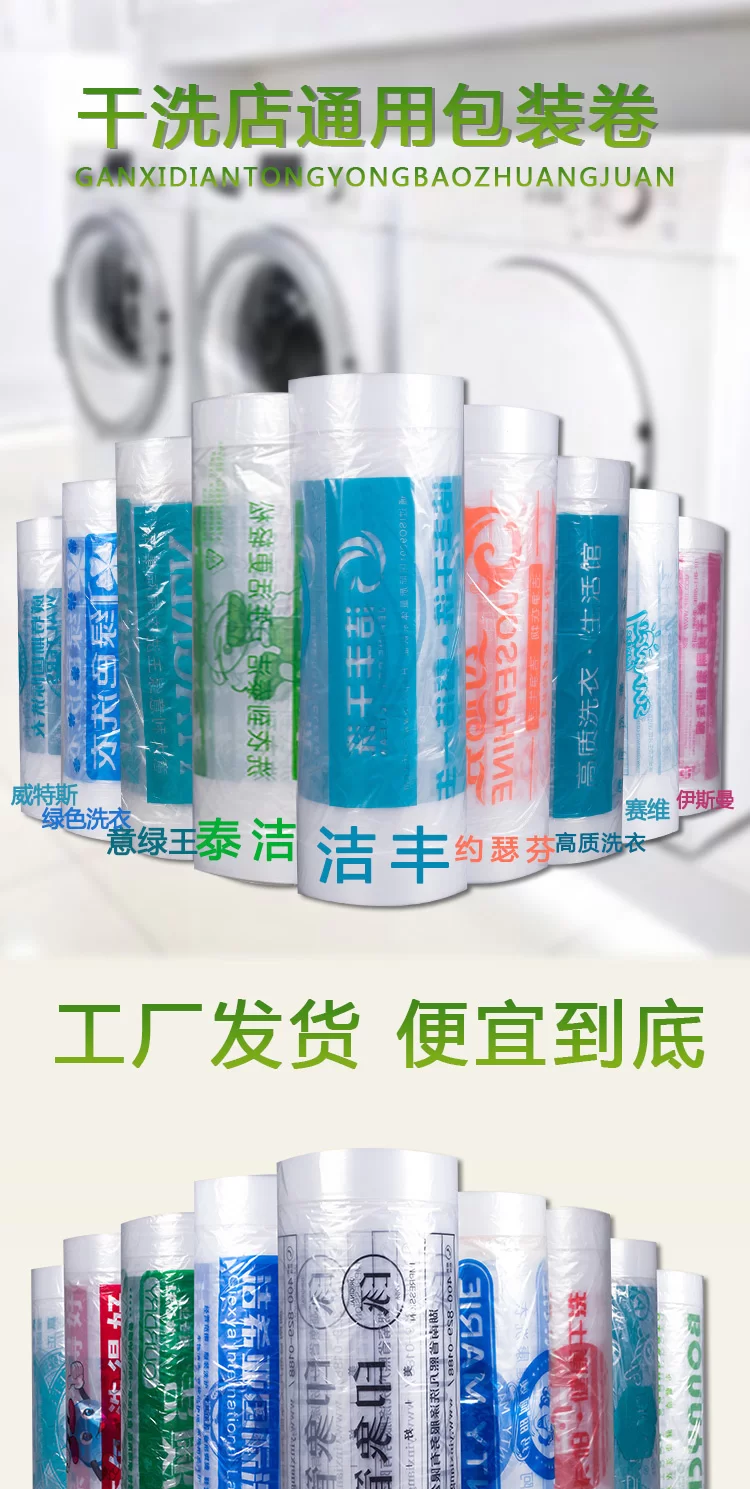
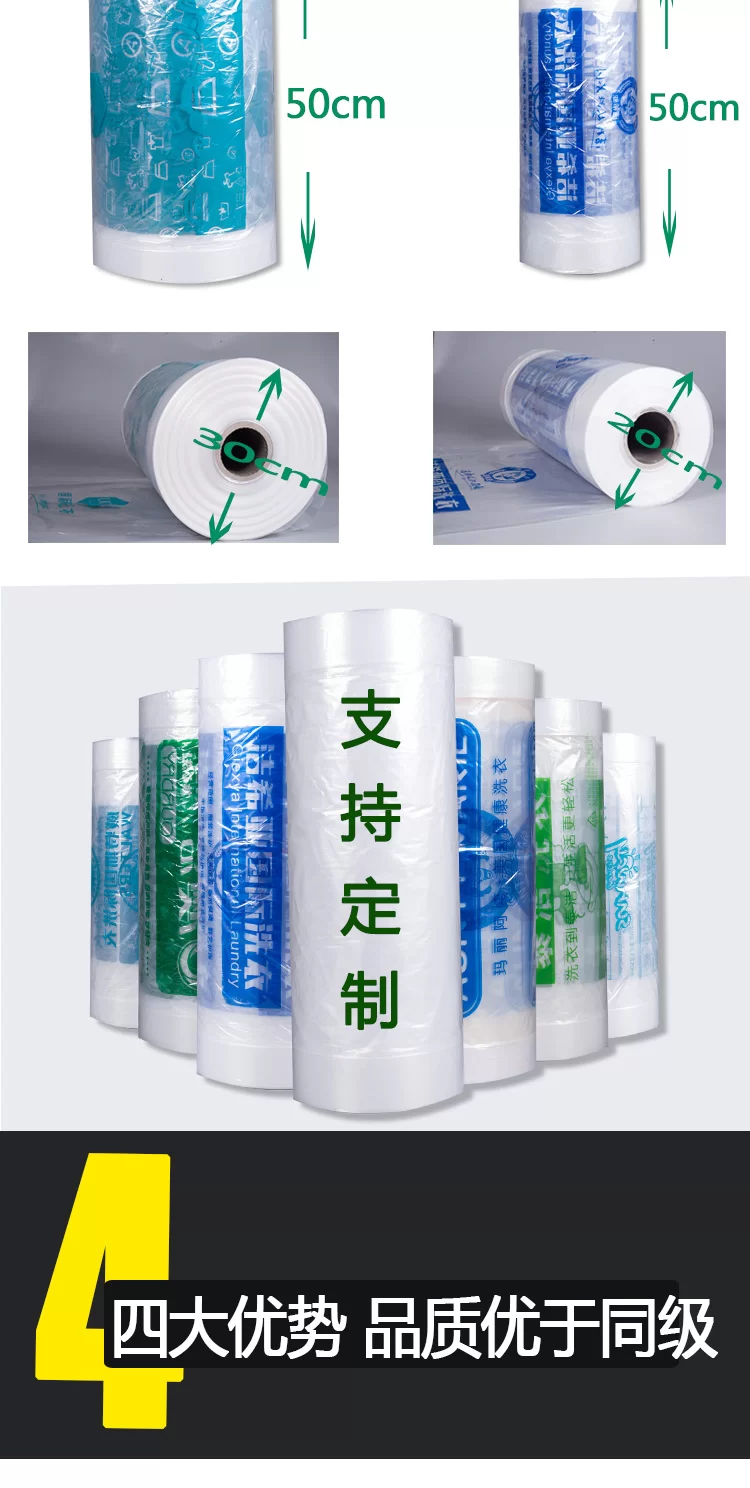
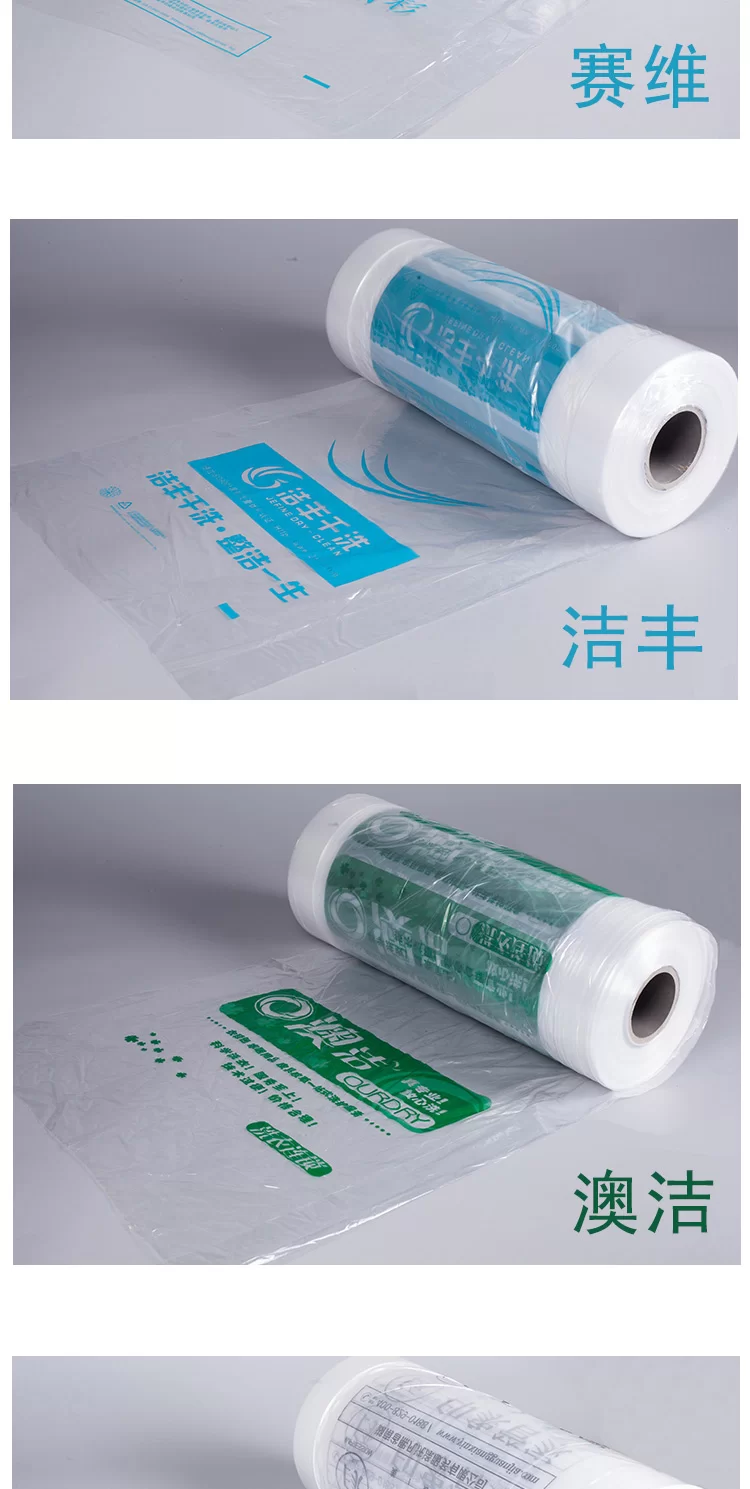
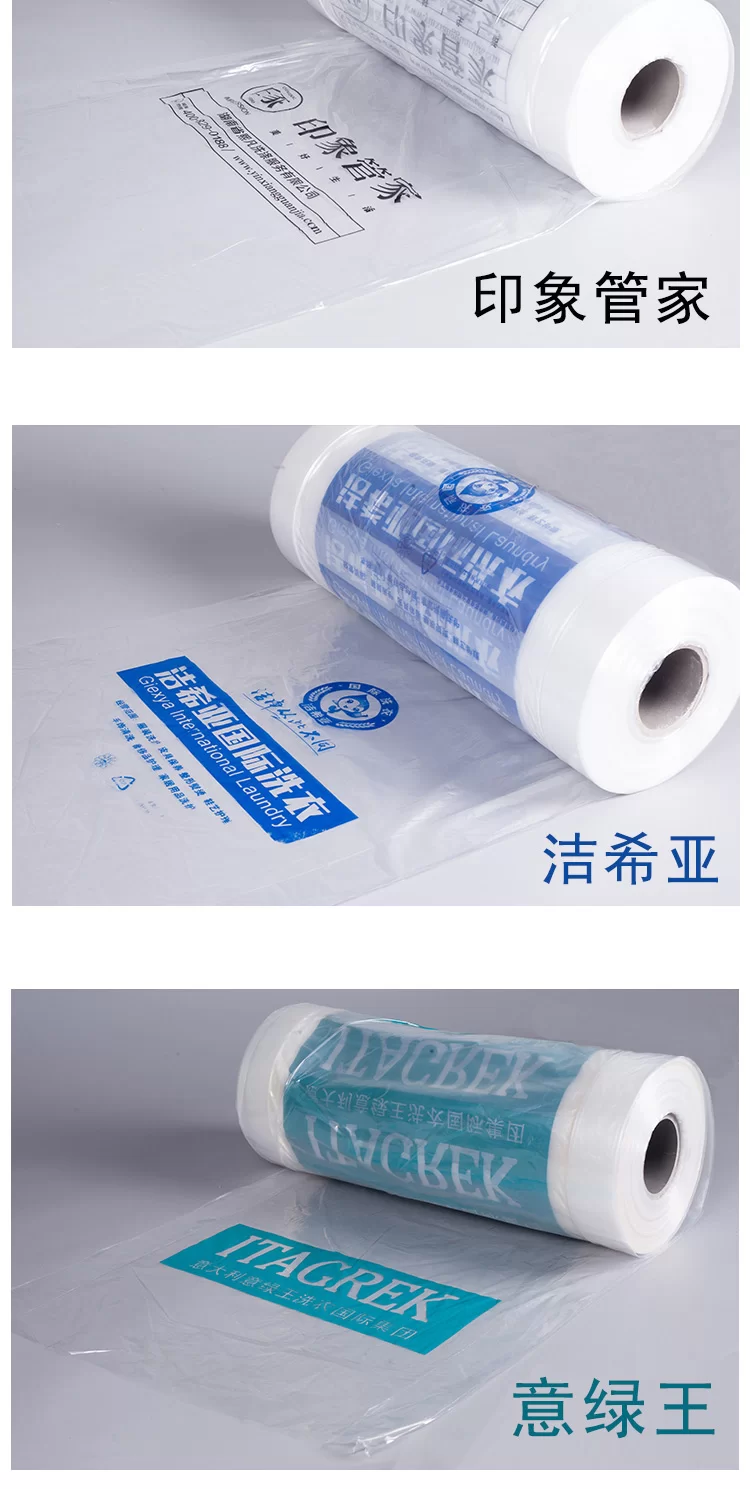
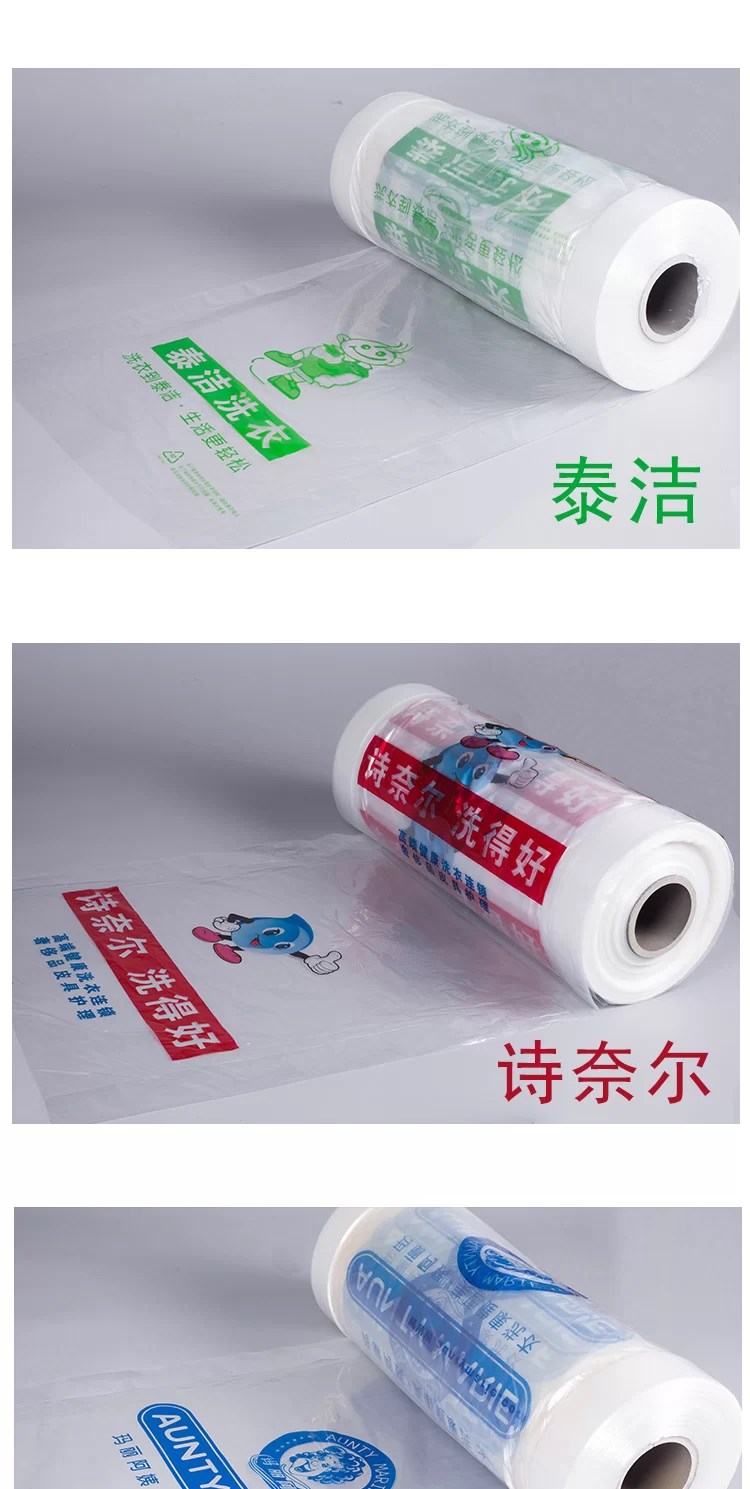
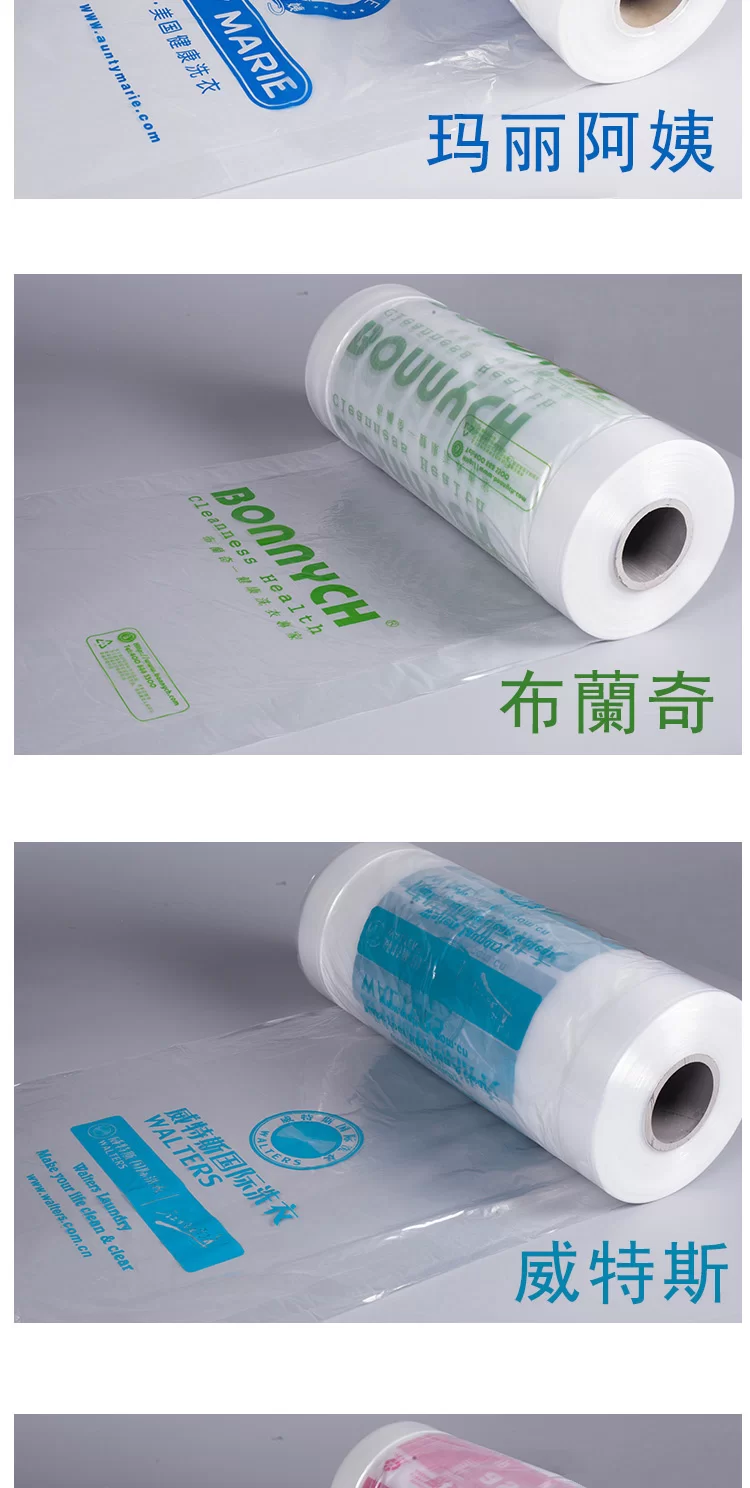
3. 【 Customizable LOGO 】 Free promotion to create brand recognition
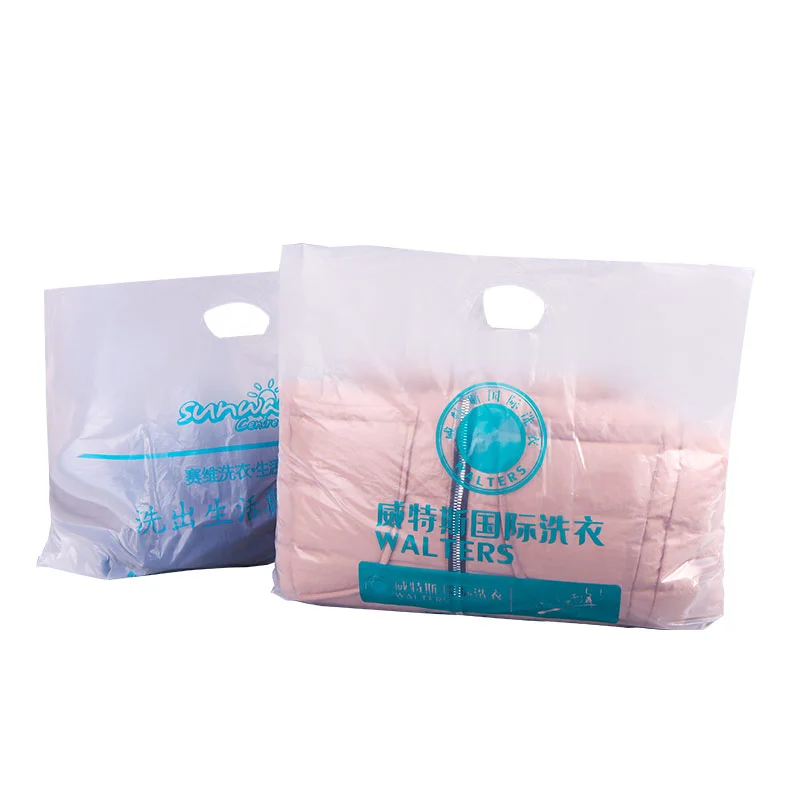
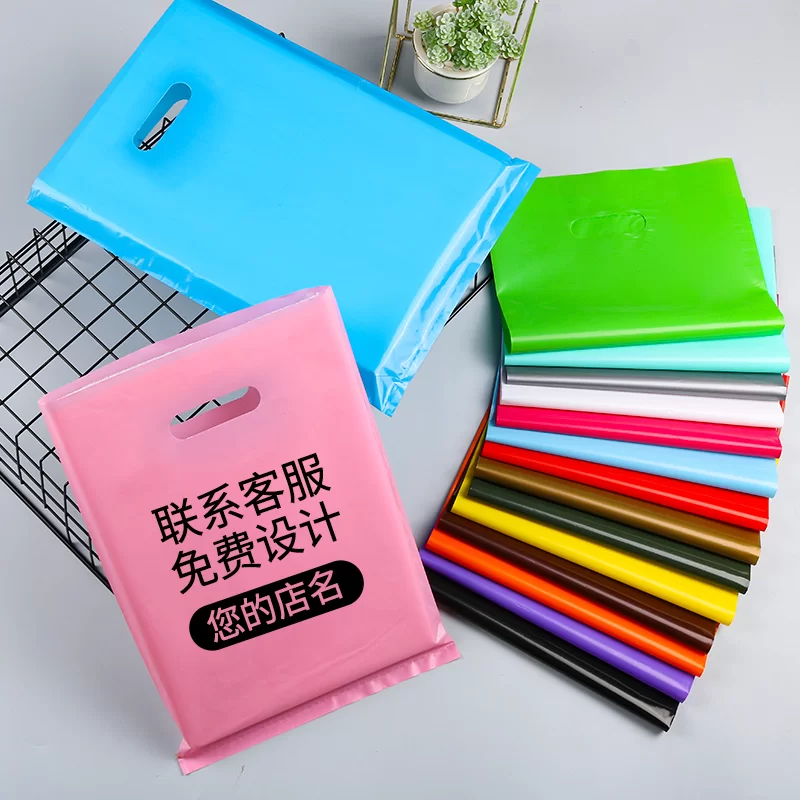
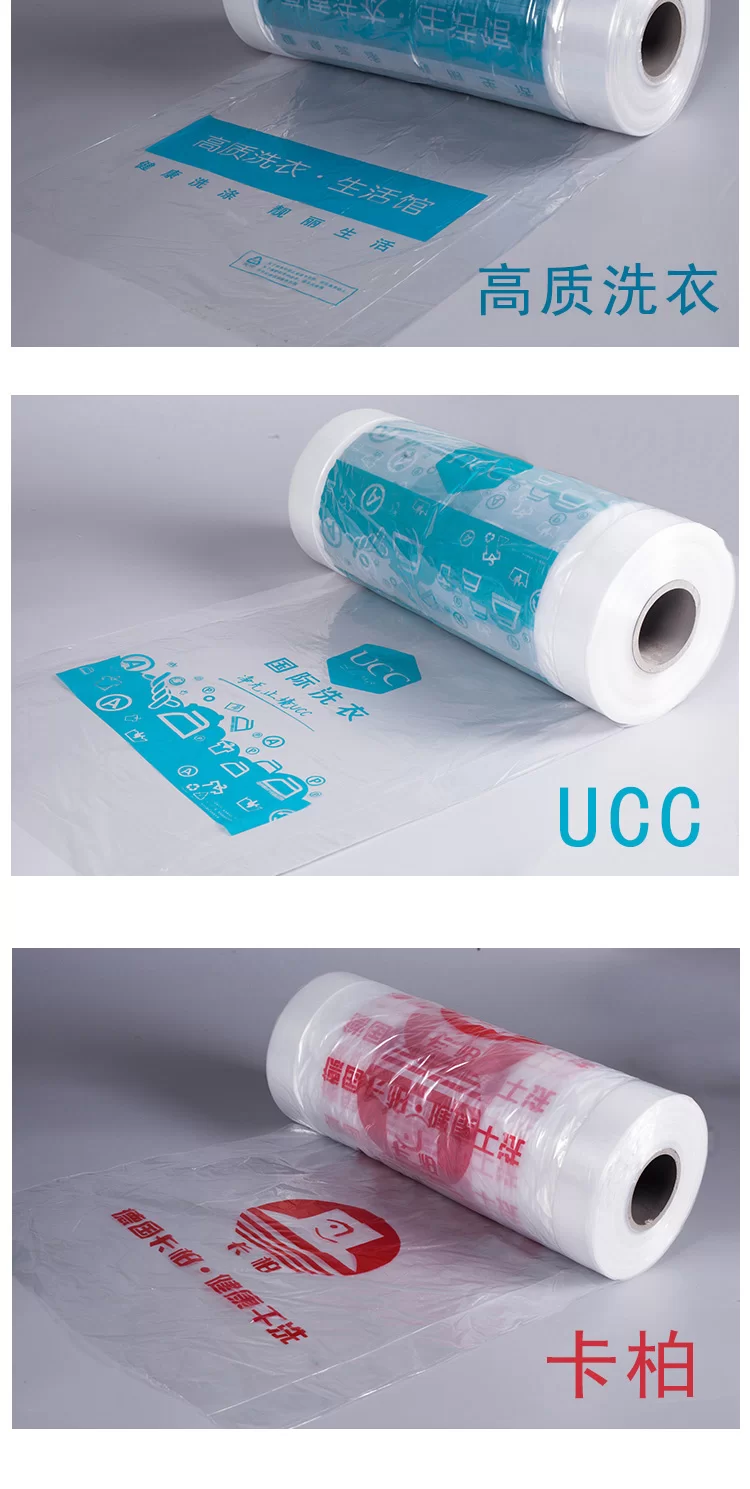
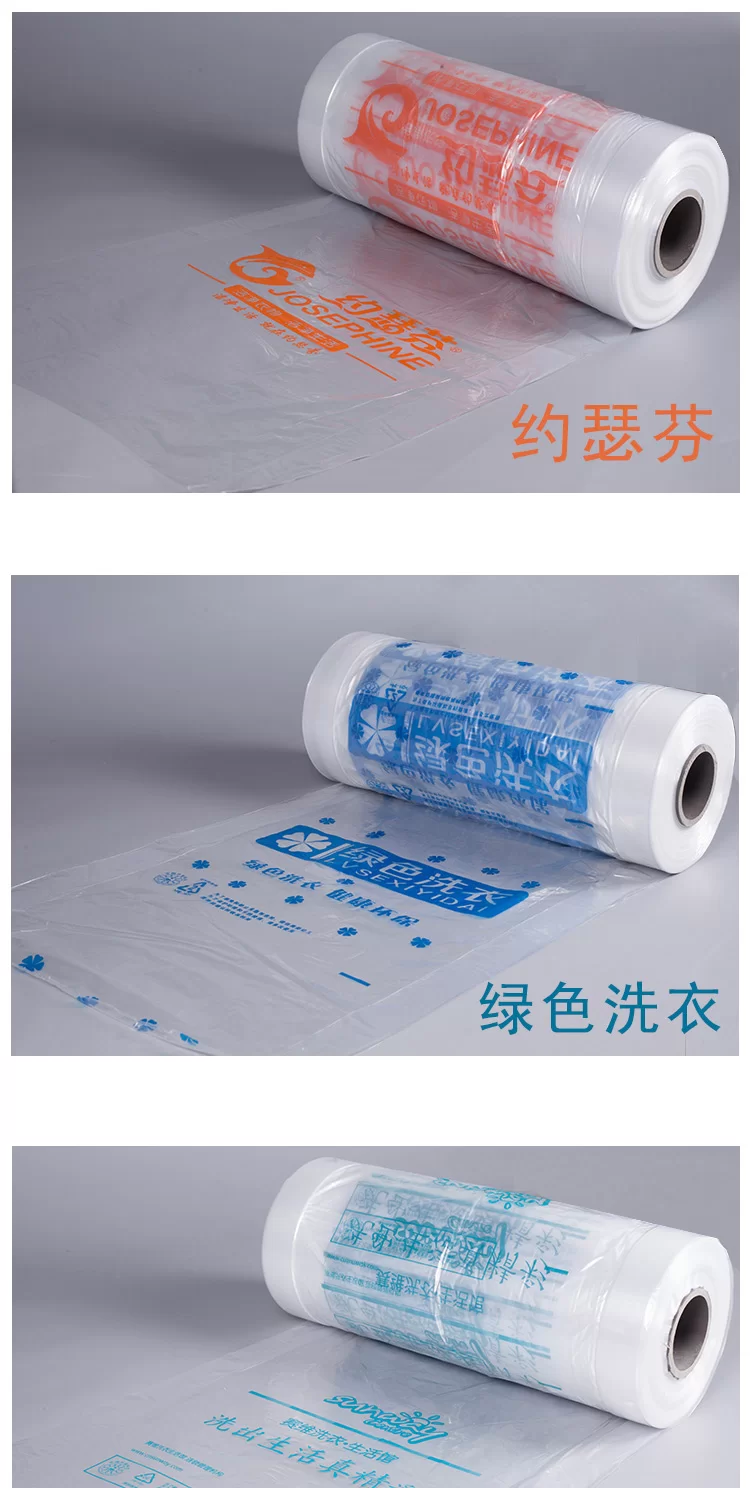
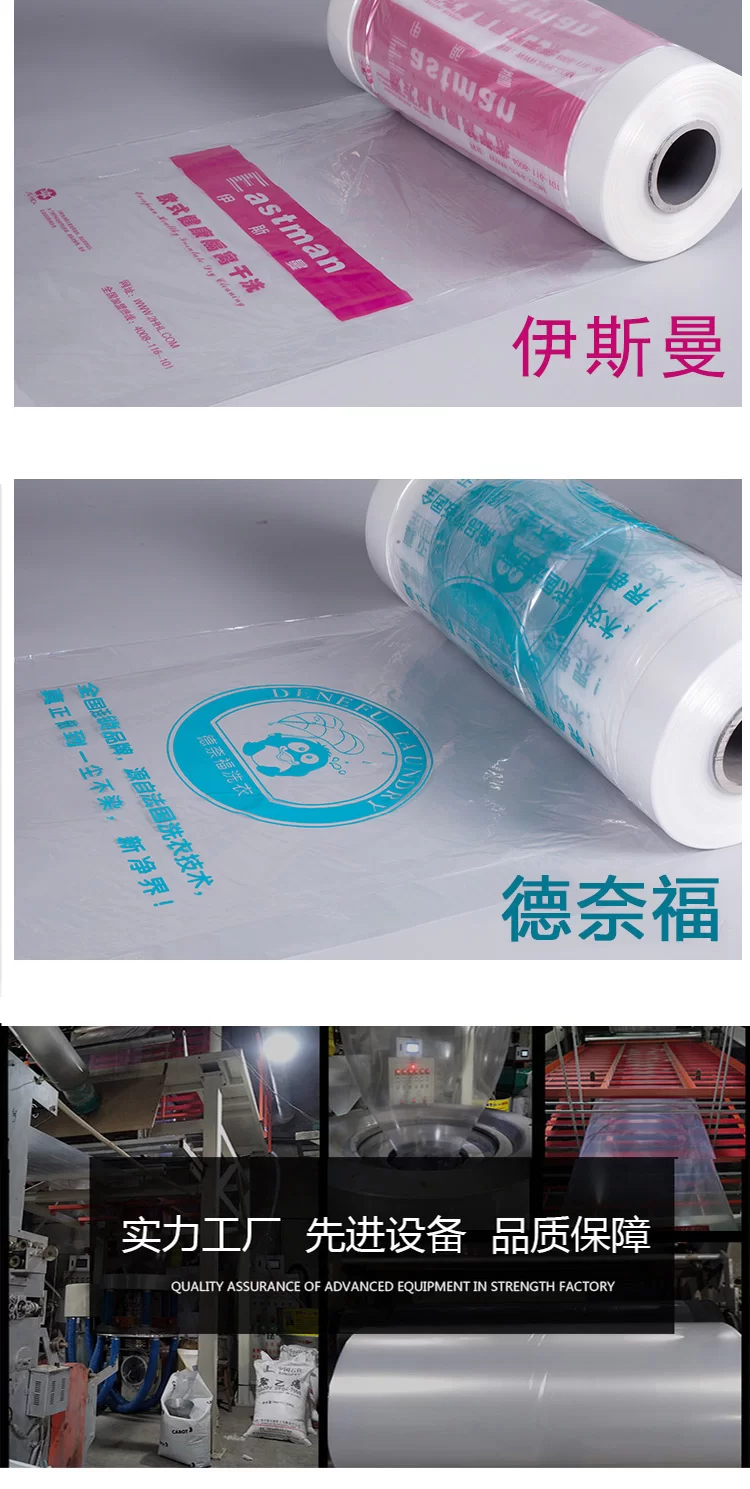
① Professional printing services: Support customization of dry cleaning shop names, contact numbers, addresses, business hours, and brand logos. Adopting gravure printing technology, the handwriting is clear, the colors are saturated, and it is not easy to fade.
② Value added marketing carrier: Each packaged piece of clothing is a mobile advertisement. When customers wear clothing for travel, the brand information on the packaging film can be continuously exposed, attracting potential customers and enhancing the store's visibility.
A roll bag is a versatile type of plastic or polymer bag that comes in a continuous roll form, allowing users to cut or tear off a specific length based on their needs. Roll bags are widely used across homes, retail businesses, food industries, and commercial settings because of their convenience, adaptability, and cost-effectiveness. The primary purpose of a roll bag is to provide flexible packaging and storage solutions for various items.
One of the most common uses of roll bags is food packaging and storage. In homes, restaurants, and catering businesses, roll bags can be used to wrap sandwiches, snacks, fruits, vegetables, or meat to preserve freshness and prevent contamination. Many roll bags are made from food-grade materials that provide a barrier against moisture, dust, and air, helping extend the shelf life of perishable items. Some rolls are designed to be compatible with freezers or microwaves, making them suitable for a wide range of temperature conditions.
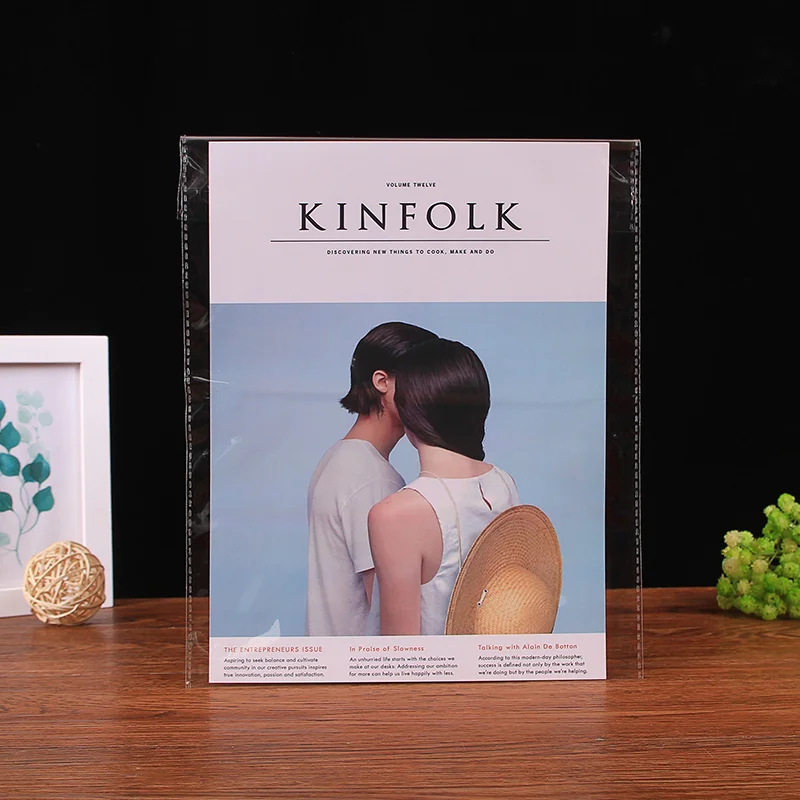
Roll bags are also extensively used in retail and merchandise packaging. Stores and e-commerce businesses often use roll bags to package clothing, accessories, small electronics, or stationery. Because roll bags can be cut to any desired size, they offer an adaptable solution for products of varying dimensions. Transparent or printed roll bags allow for easy product identification while providing a professional and clean presentation.
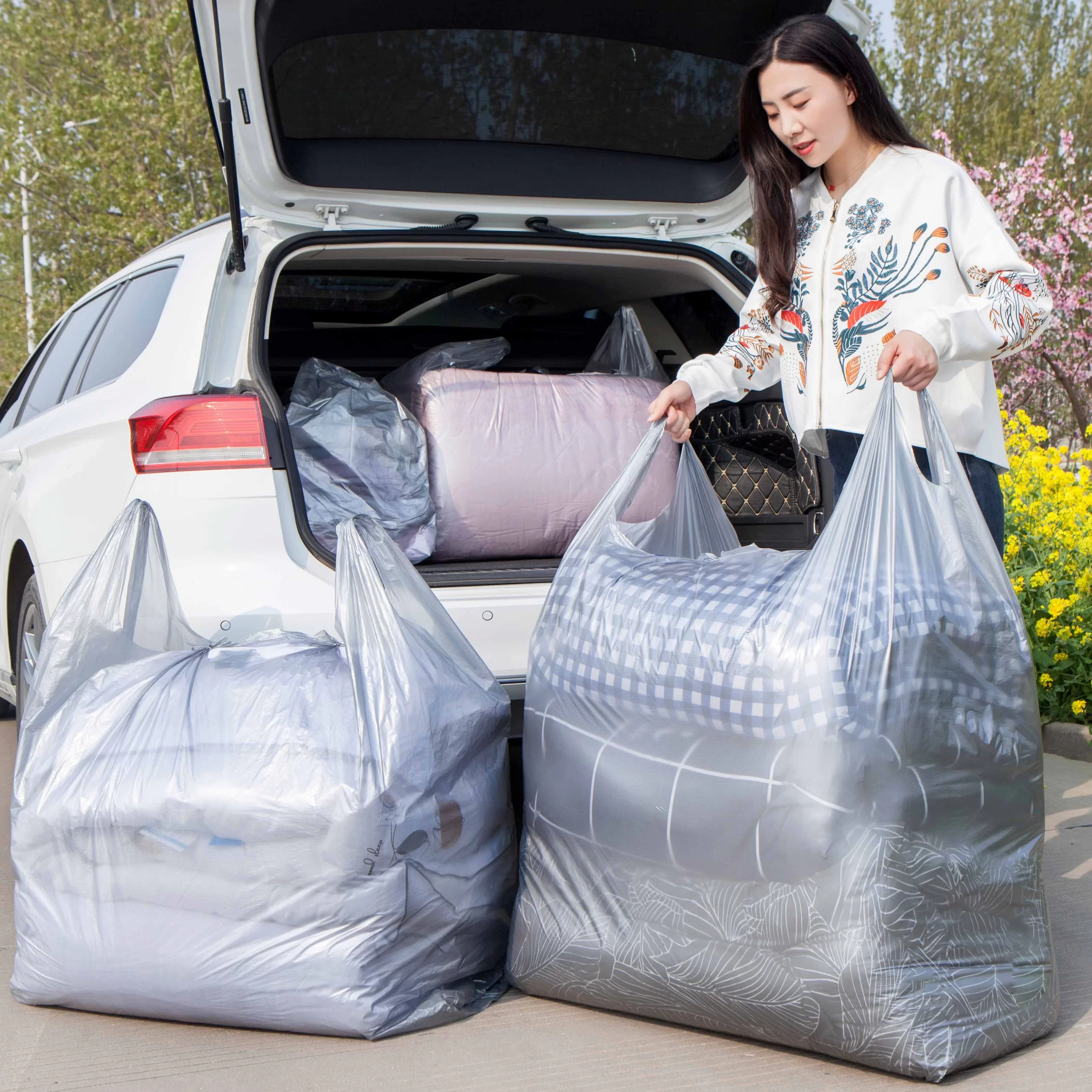
Another key application of roll bags is in industrial and household storage. They can be used to organize materials, protect items during moving, or store bulk products. Roll bags are particularly useful when large quantities need to be packaged efficiently, as the continuous roll format reduces waste and allows for quick customization of bag length.
Roll bags are available in a variety of materials, including polyethylene (PE), polypropylene (PP), or biodegradable films, depending on the intended use. Some rolls include features like resealable strips, perforations, or printed guidelines to simplify cutting and sealing.
Overall, roll bags are highly practical tools for packaging, protection, and storage. Their flexibility, convenience, and wide range of applications make them essential in homes, businesses, and industrial environments. They offer a simple yet effective solution for keeping items organized, clean, and secure.
Packaging bags are general-purpose containers designed to hold, protect, and transport products. They are widely used across industries, including food, retail, e-commerce, manufacturing, and logistics. Packaging bags are typically made from materials such as plastic (polyethylene, polypropylene), paper, fabric, or biodegradable materials, depending on the type of product, storage requirements, and environmental considerations.
In everyday language, packaging bags are often referred to by specific names depending on their material, shape, or function. For example, plastic bags are commonly called shopping bags, grocery bags, or poly bags. OPP bags (oriented polypropylene) are clear, glossy bags often used for retail products like clothing, stationery, or jewelry. PE bags (polyethylene) are thicker, flexible, and durable, used for carrying groceries, household goods, or industrial products. Other types include zipper bags, stand-up pouches, vacuum bags, and mailing bags, each designed for a specialized purpose.
The primary function of packaging bags is protection. They safeguard products from dust, moisture, dirt, and damage during storage or transportation. For food items, packaging bags can also preserve freshness and extend shelf life. In retail, packaging bags serve both functional and marketing purposes—they organize products neatly and often display branding, logos, or promotional information, which enhances the shopping experience.
Packaging bags also vary in form. Some are flat bags, ideal for smaller items; others are gusseted or stand-up bags, which can expand to hold bulkier products. Roll bags provide flexibility, allowing users to cut custom lengths for different needs. Vest bags, commonly used in supermarkets, feature handles for easy carrying.
With growing environmental awareness, many modern packaging bags are designed to be recyclable, reusable, or biodegradable, reducing waste while maintaining functionality. This makes them suitable for sustainable business practices and eco-friendly households.
In summary, packaging bags are versatile containers called by different names based on material, design, or use. They protect, organize, and present products effectively, making them essential tools in both commercial and everyday applications.
Packaging rolls are versatile materials used for wrapping, protecting, and storing products in homes, businesses, and industrial settings. They come in continuous rolls that can be cut to the required length. There are three common types of packaging rolls, each designed for specific applications:
Plastic Packaging Rolls (PE, PVC, or OPP)
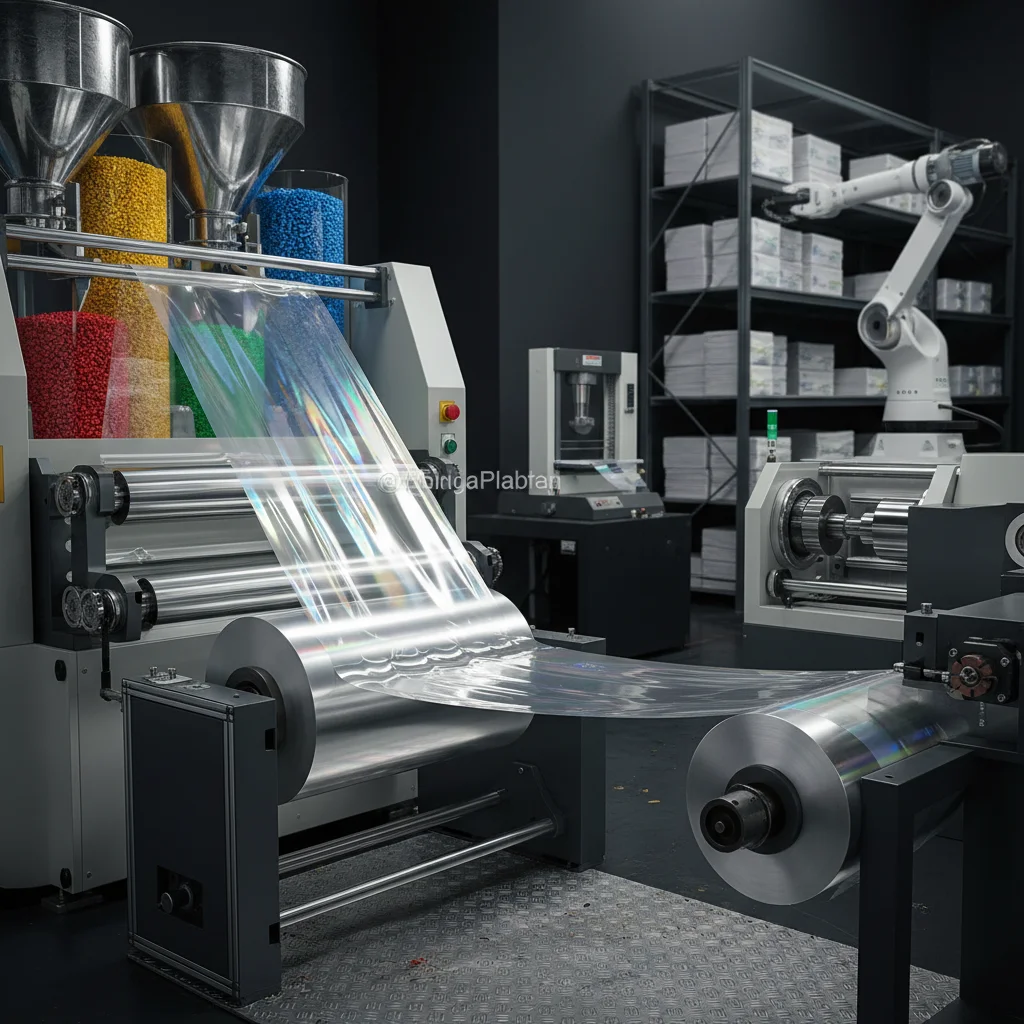
Plastic rolls are among the most widely used types. They are made from materials like polyethylene (PE), polyvinyl chloride (PVC), or oriented polypropylene (OPP). These rolls are lightweight, flexible, and moisture-resistant, making them ideal for packaging food, clothing, stationery, or small consumer goods. Plastic packaging rolls can be clear or printed, and they are often used with heat sealing, self-adhesive flaps, or roll dispensers.
Aluminum Foil Rolls
Aluminum foil rolls are designed for food storage, baking, and industrial packaging. They provide a barrier against light, oxygen, moisture, and odors, helping to preserve food freshness or protect sensitive products. Aluminum foil rolls are commonly used in households for wrapping leftovers, in restaurants for takeout packaging, and in industries for sealing or lining products. They can also be laminated with plastic for added strength and flexibility.
Paper Packaging Rolls
Paper rolls are eco-friendly packaging solutions often used for wrapping, cushioning, or labeling products. Kraft paper or recycled paper rolls are durable and recyclable, making them suitable for shipping, retail packaging, or gift wrapping. Some paper rolls are coated to provide moisture resistance or printable surfaces for branding and product information.
These three types of packaging rolls serve different purposes but share a common goal: providing flexible, convenient, and protective packaging solutions. Businesses and households can choose the appropriate roll type depending on product type, storage conditions, and environmental considerations.
If you are interested in our products, you can choose to leave your information here, and we will be in touch with you shortly.