Dry Cleaning Bag
Purpose and Applicable Scenarios
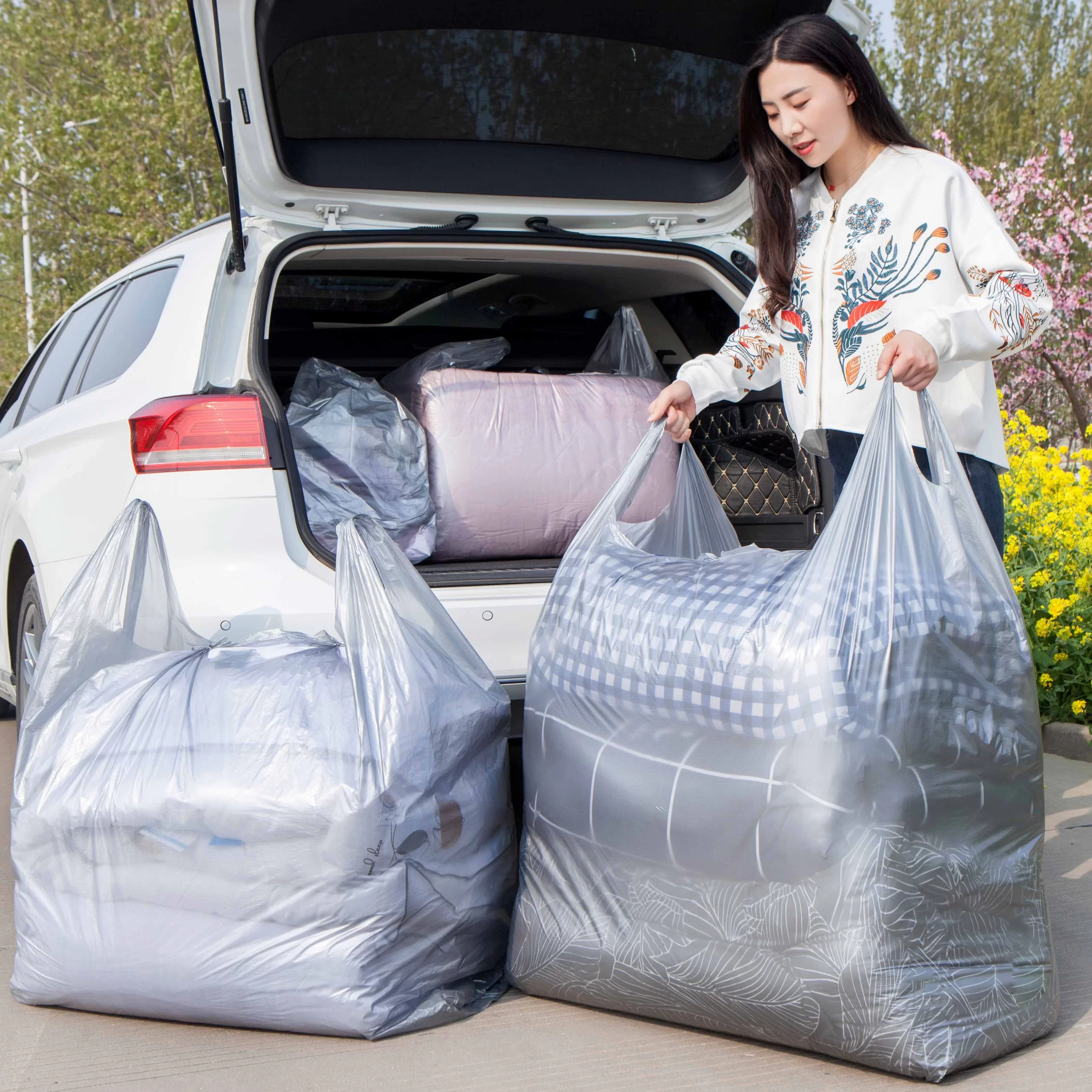
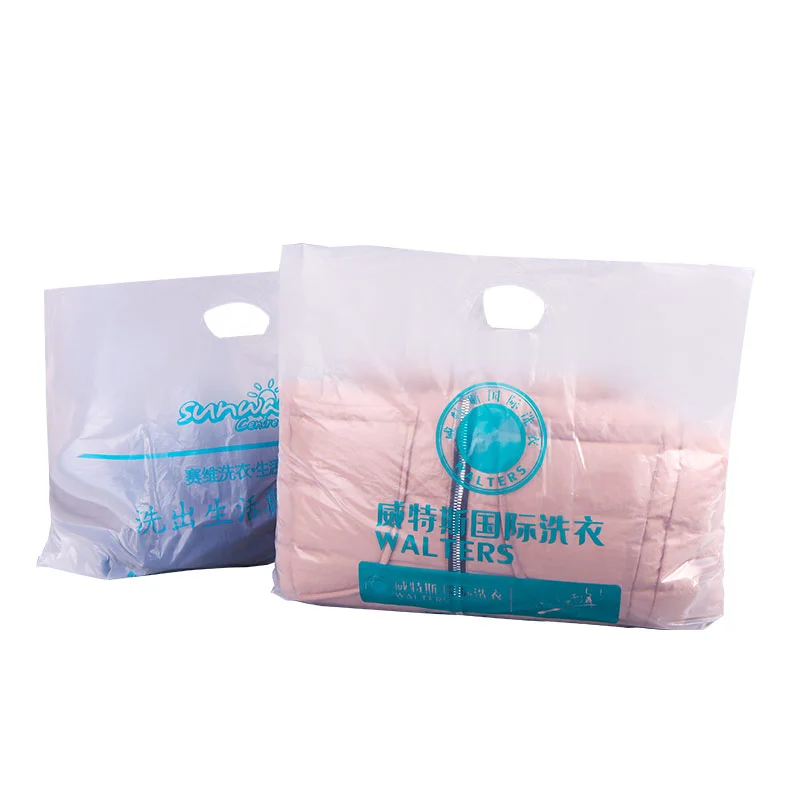
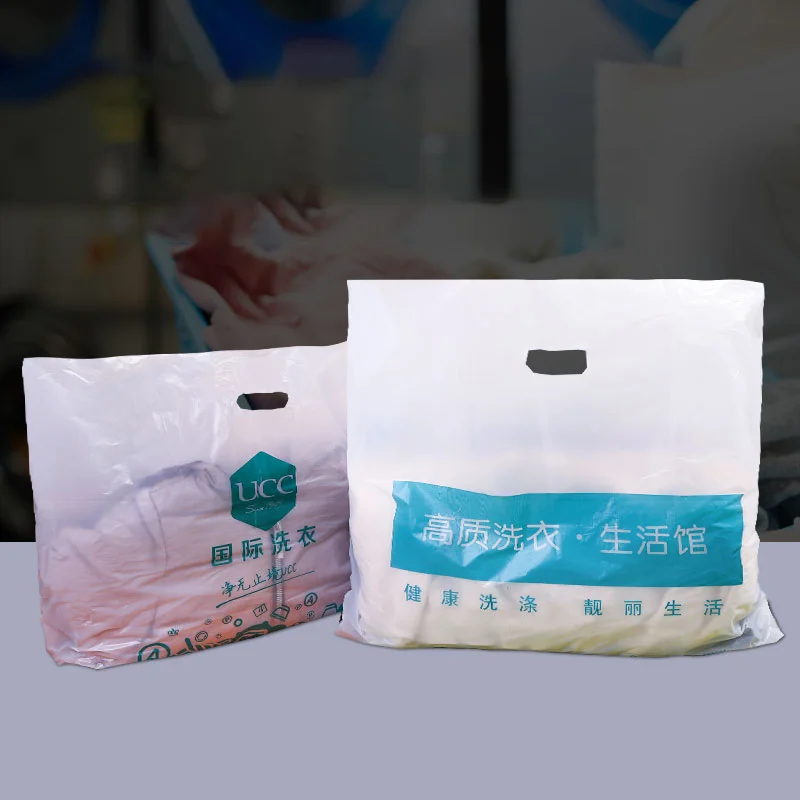
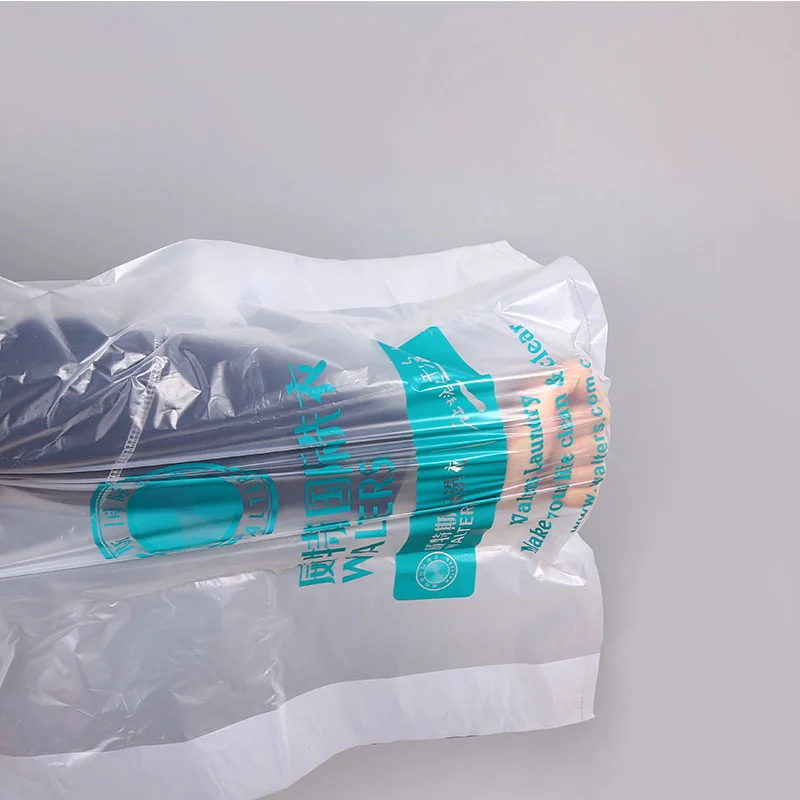
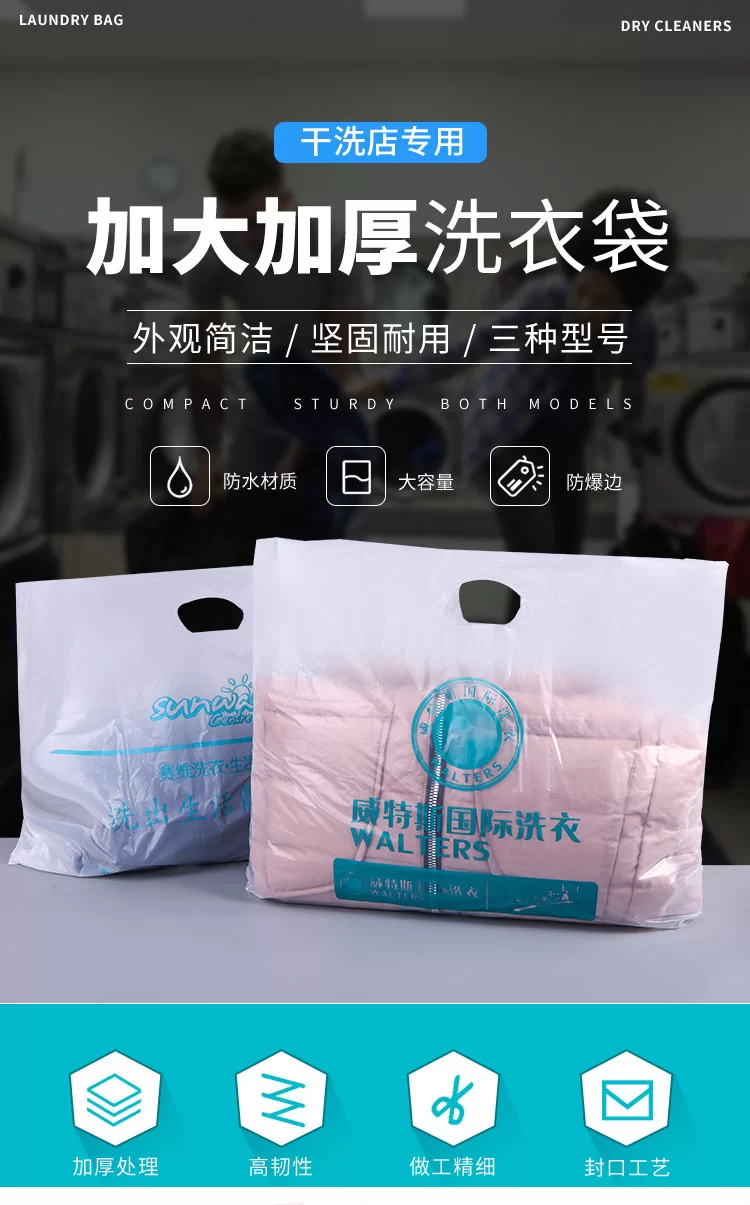
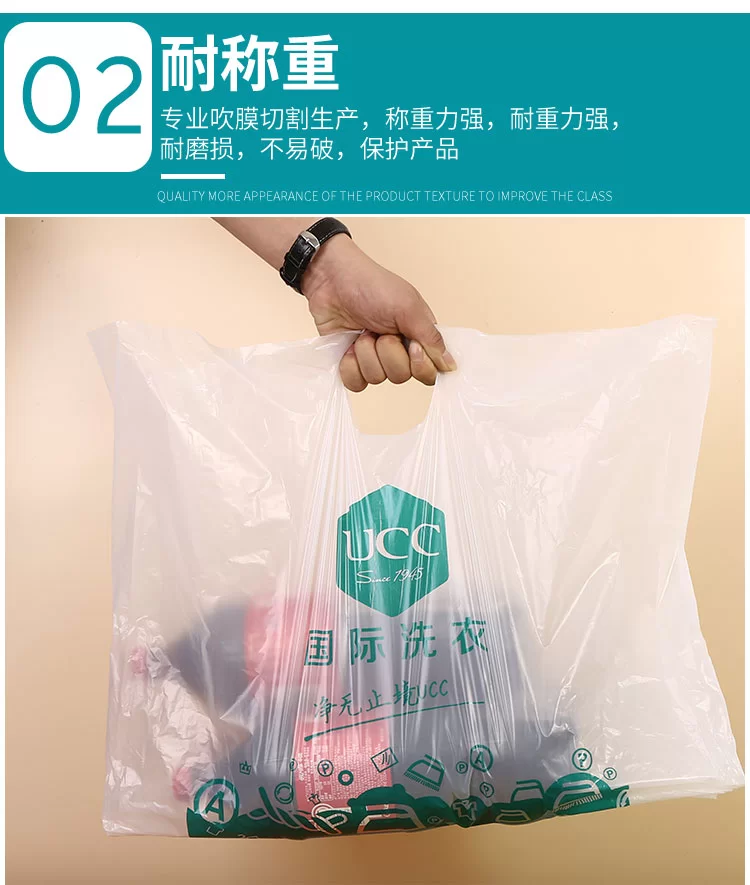
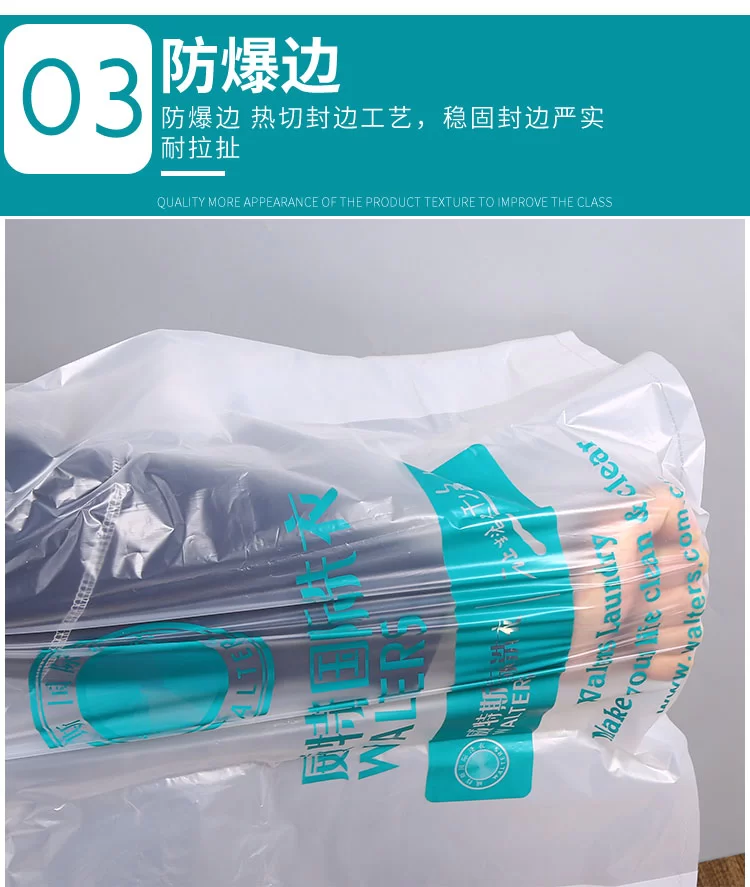
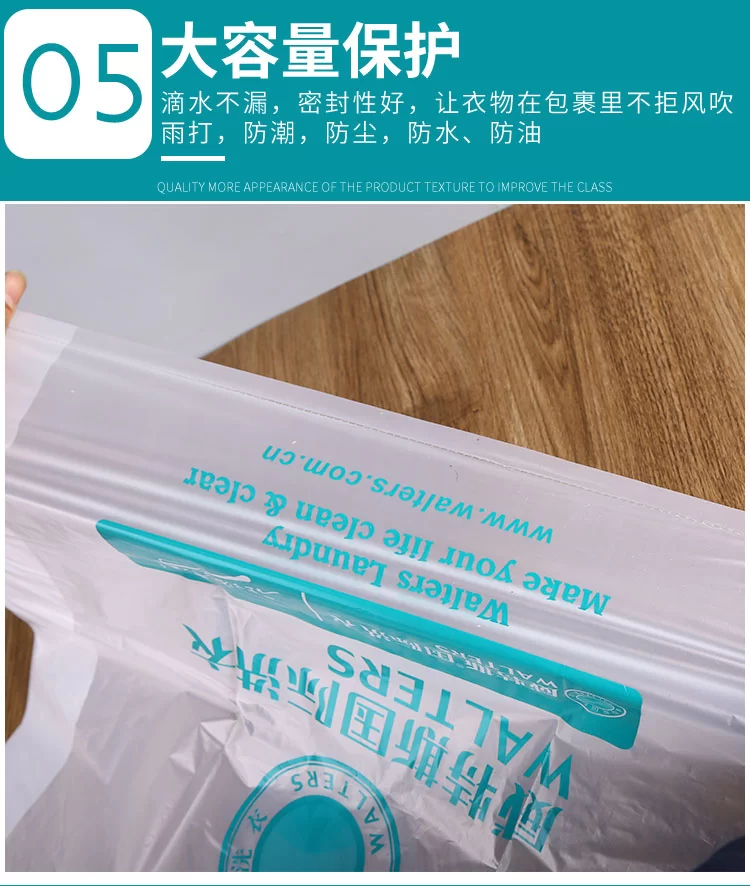
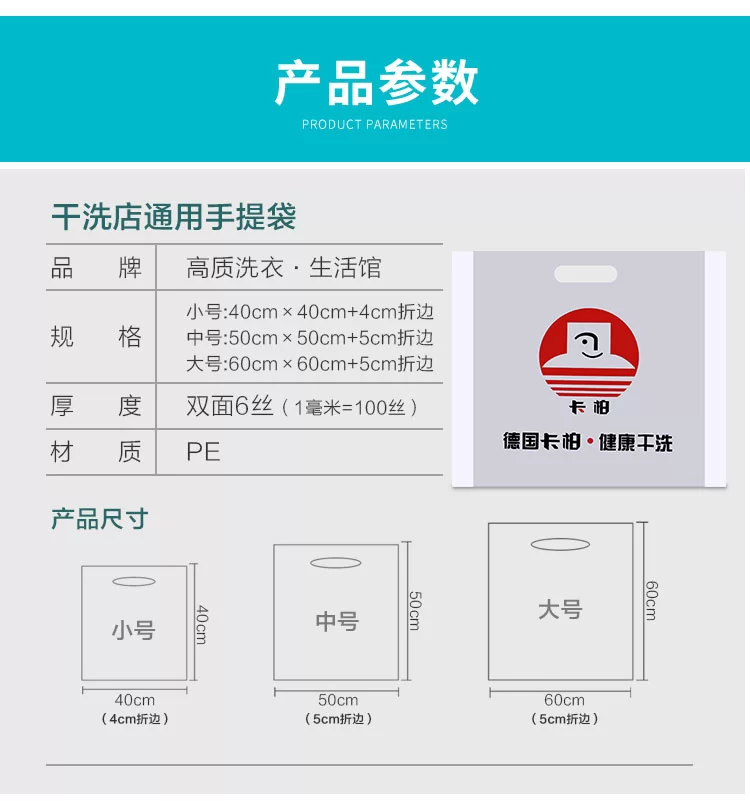
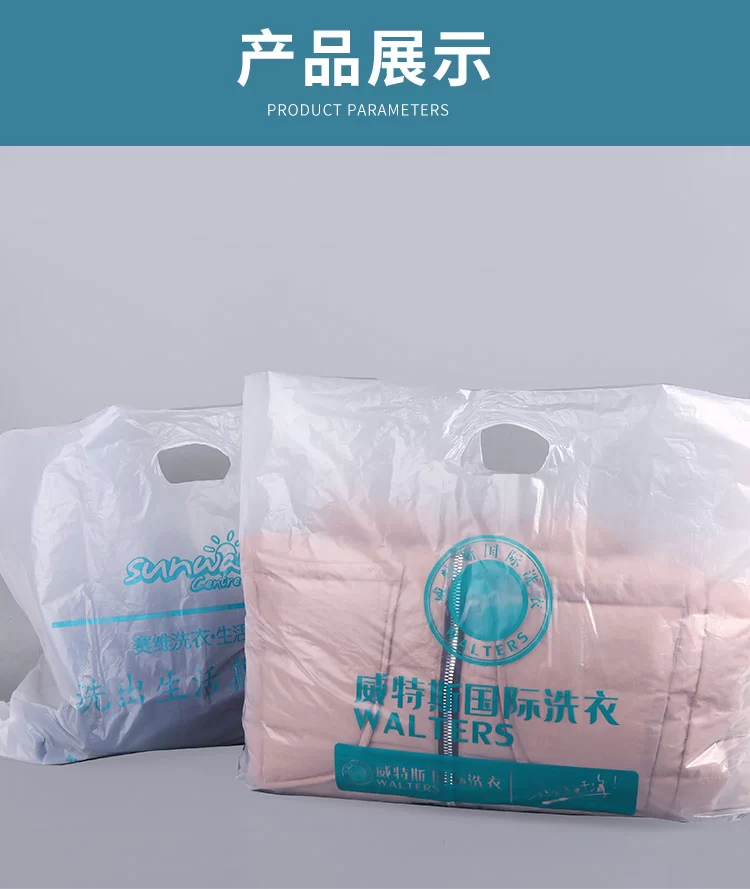
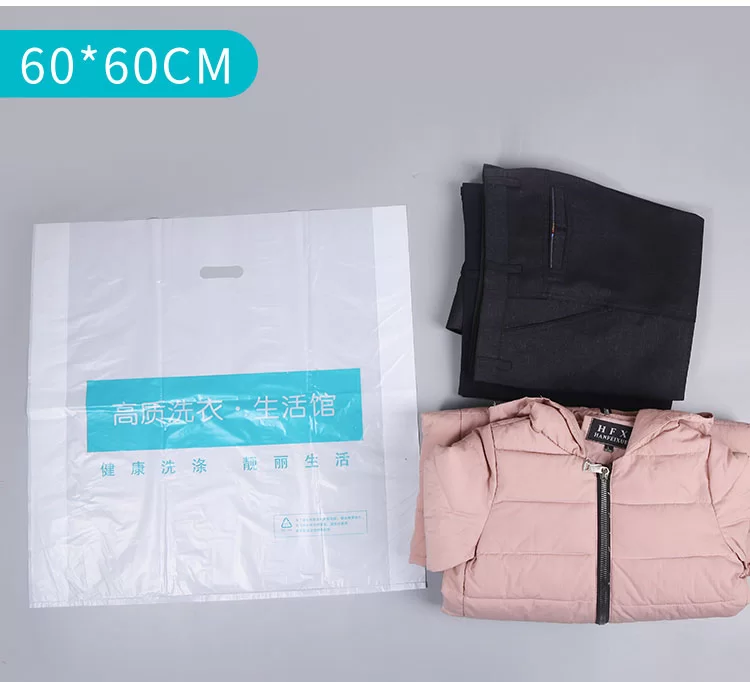
1. Main scene: Dry cleaning store for picking up and packing clothes, especially suitable for heavy clothing, winter coats, down jackets, bulk clothes, with strong load-bearing capacity and not easy to break; It is better to prevent splashing on rainy days outdoors.
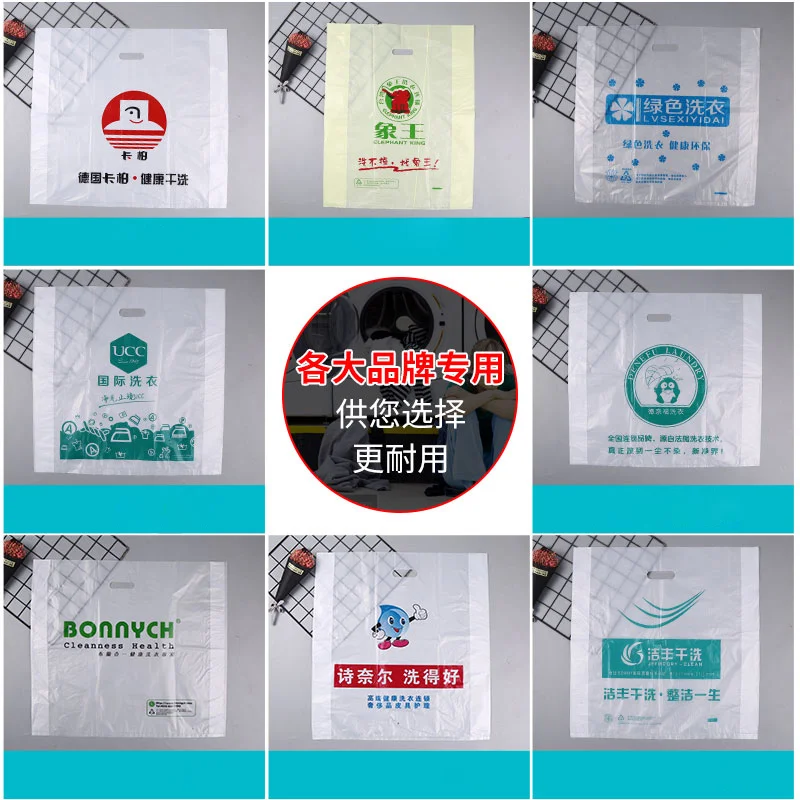
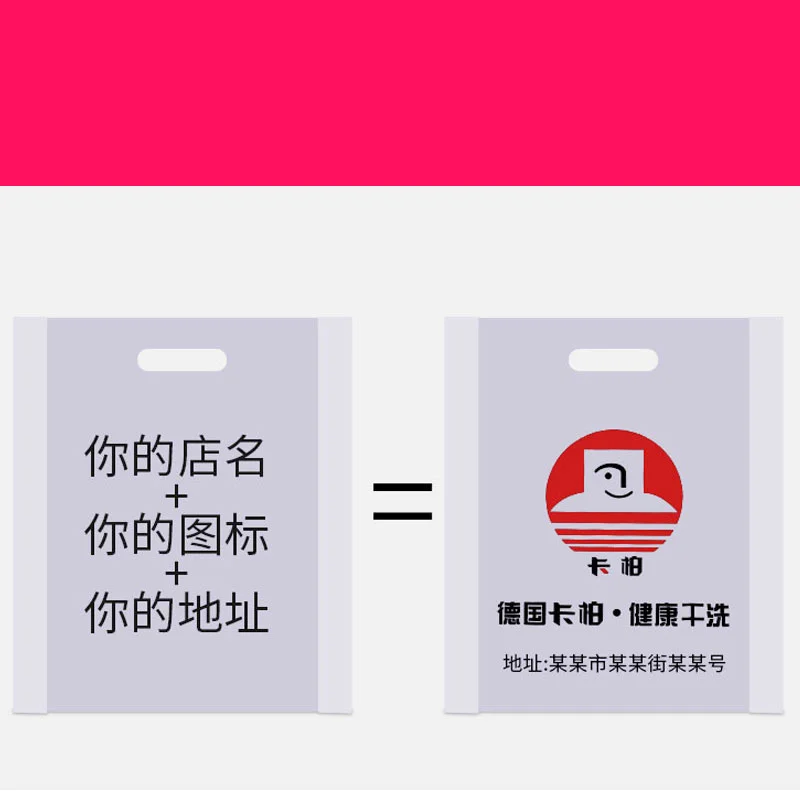
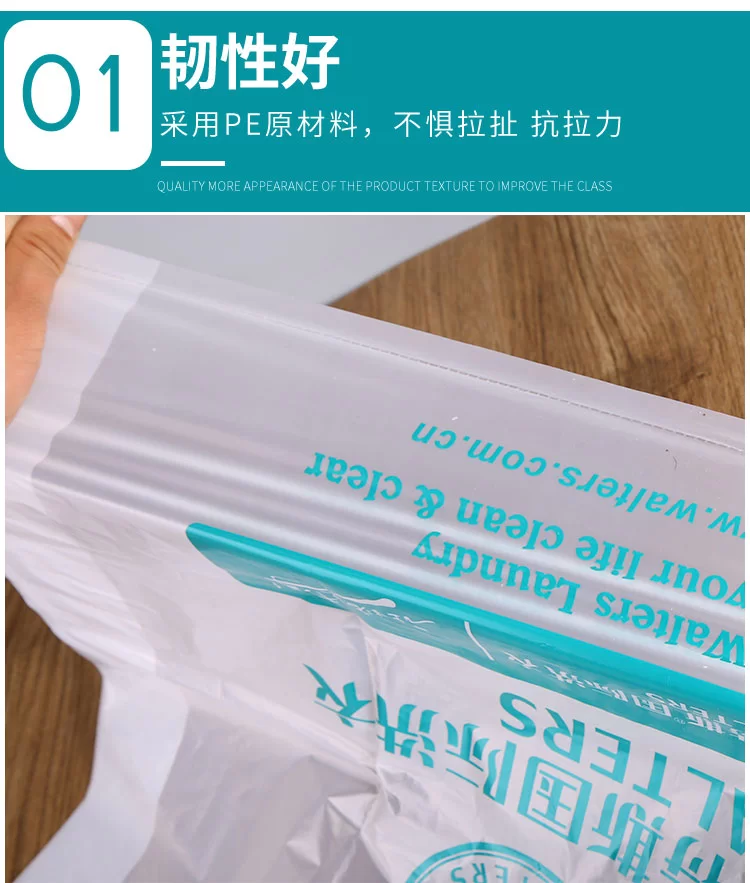
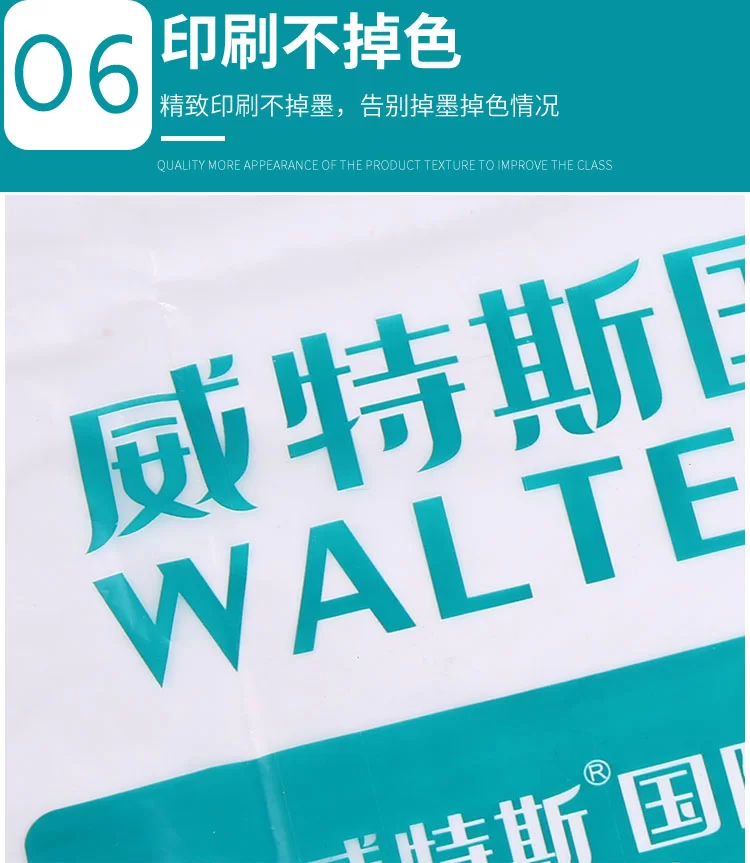
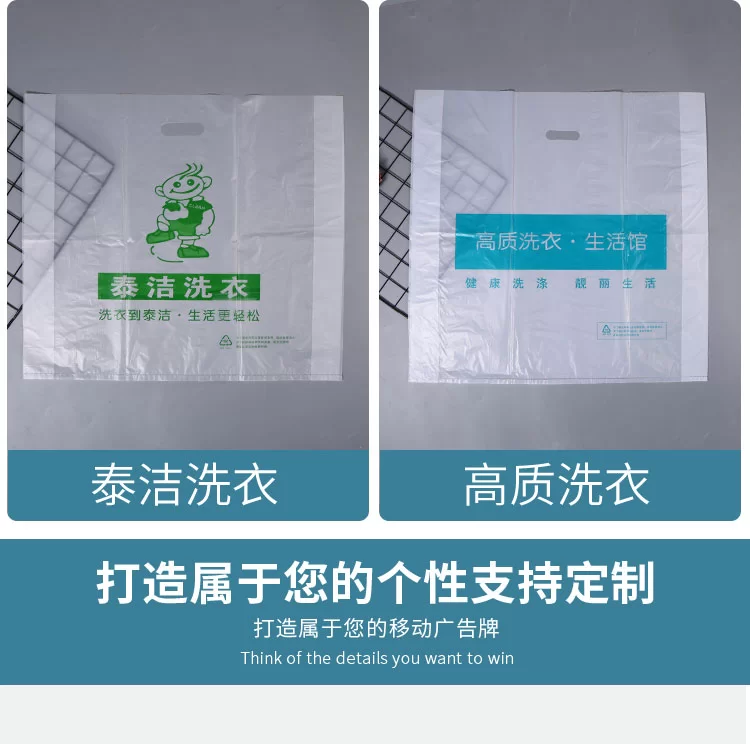
2. Brand exposure: Unified printing enhances professionalism; Less prone to deformation due to stretching than high-pressure bag printing.
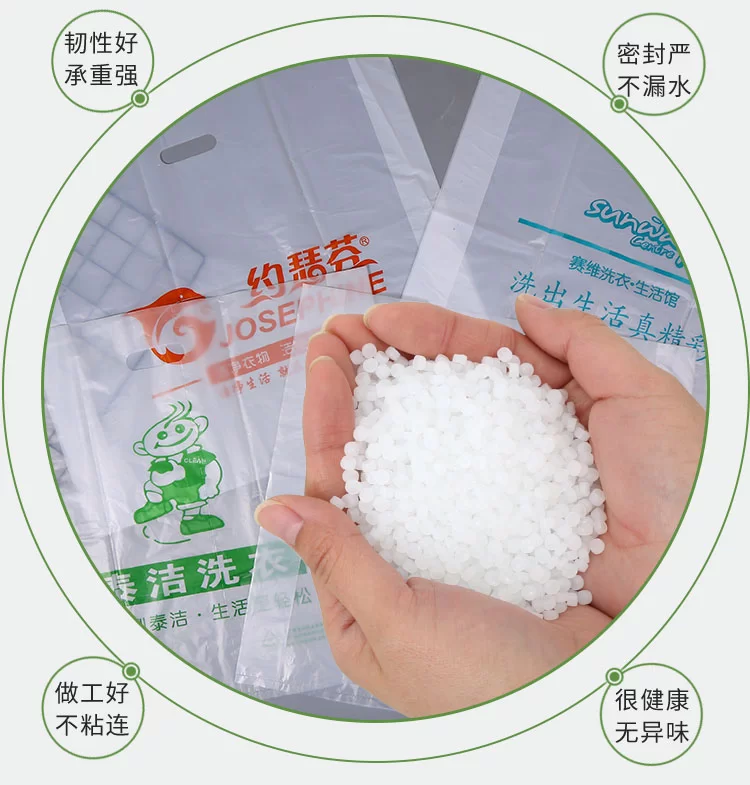
3. Compared to high-pressure LDPE: Low pressure HDPE has a slightly higher unit price and is more durable; High pressure is softer and more transparent, suitable for lightweight clothing and everyday affordable packaging.
Dry cleaning bags are protective plastic or reusable covers used to store and transport garments that have been professionally cleaned through the dry-cleaning process. After clothes are cleaned, pressed, and prepared, dry cleaners typically place them inside these bags to protect the garments from dust, moisture, wrinkles, and environmental contaminants during handling and delivery.
Most dry cleaning bags are made from lightweight plastic materials such as polyethylene. These materials are chosen because they are flexible, transparent, and resistant to moisture. The transparency allows customers and staff to easily identify garments without opening the bag. In many cases, the bags are designed to be large enough to cover entire garments such as suits, dresses, coats, or shirts that are hung on hangers.
The main purpose of a dry cleaning bag is protection. Freshly cleaned garments are vulnerable to dust, stains, and wrinkles if left uncovered. The bag creates a barrier that helps maintain the garment’s cleanliness and pressed appearance from the time it leaves the cleaning facility until it reaches the customer’s closet. Some dry cleaning bags are also designed with small ventilation holes to allow air circulation and prevent trapped moisture from affecting the fabric.
In addition to standard disposable plastic bags, many modern dry cleaning businesses are adopting reusable garment bags or eco-friendly alternatives. These may be made from thicker recyclable plastics or non-woven fabrics that can be used multiple times. This shift helps reduce plastic waste while still offering effective garment protection.
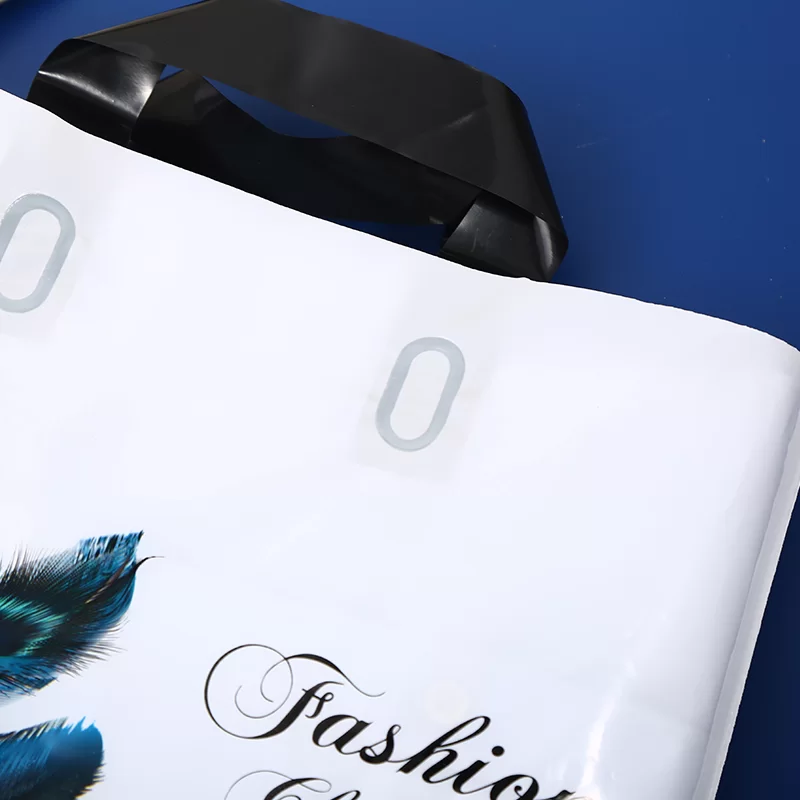
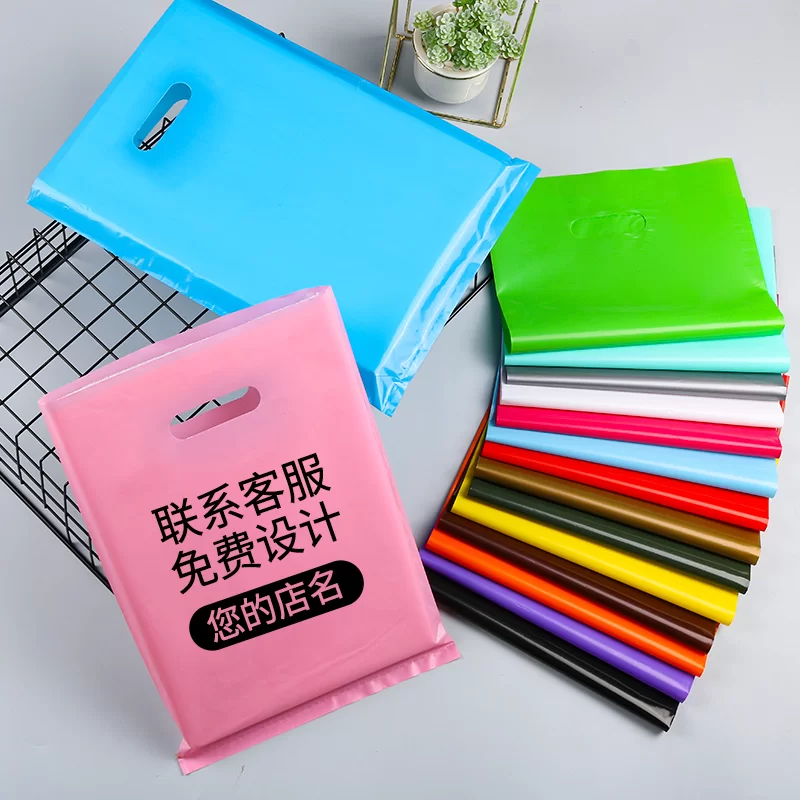
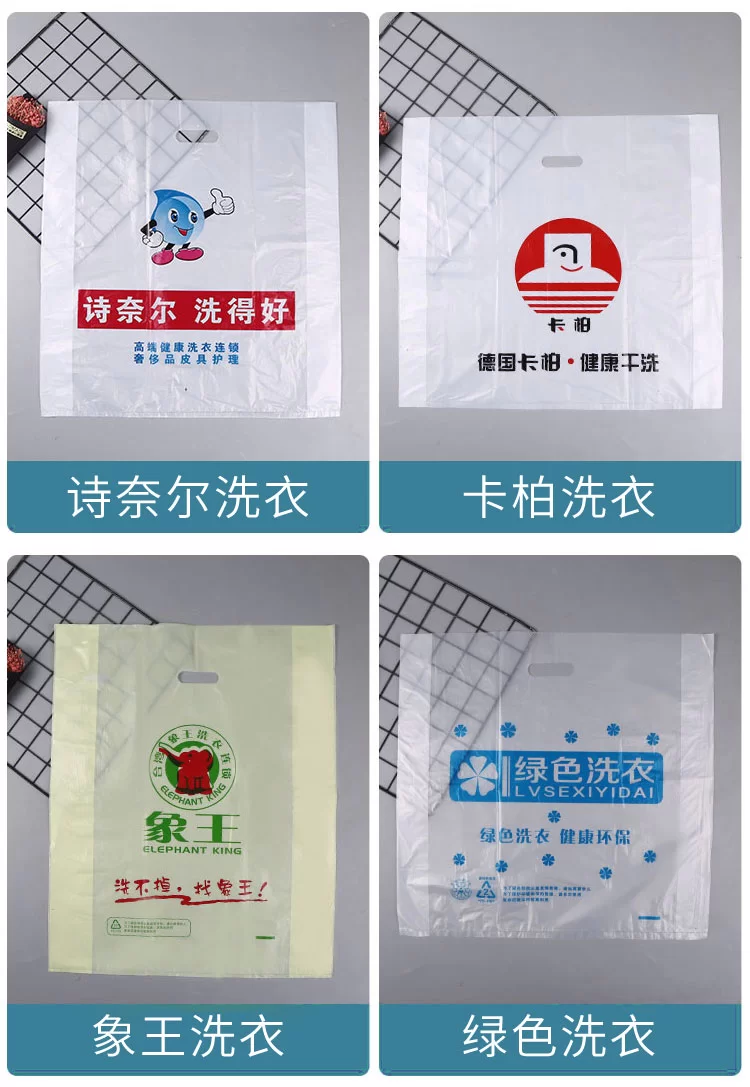
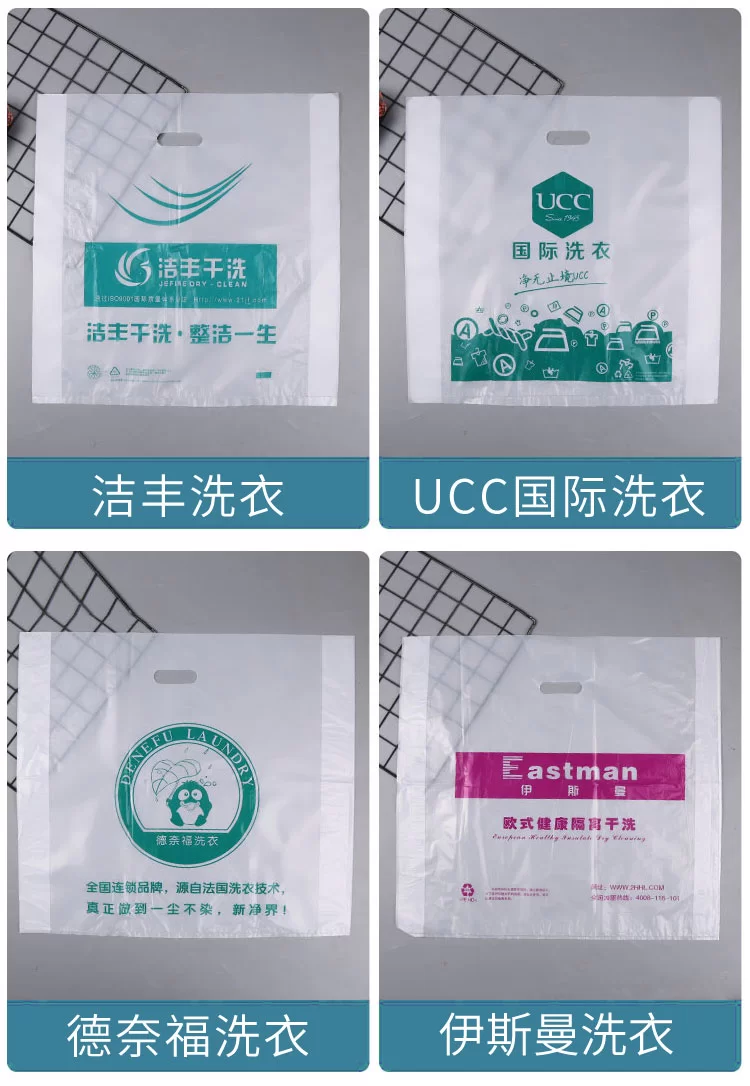
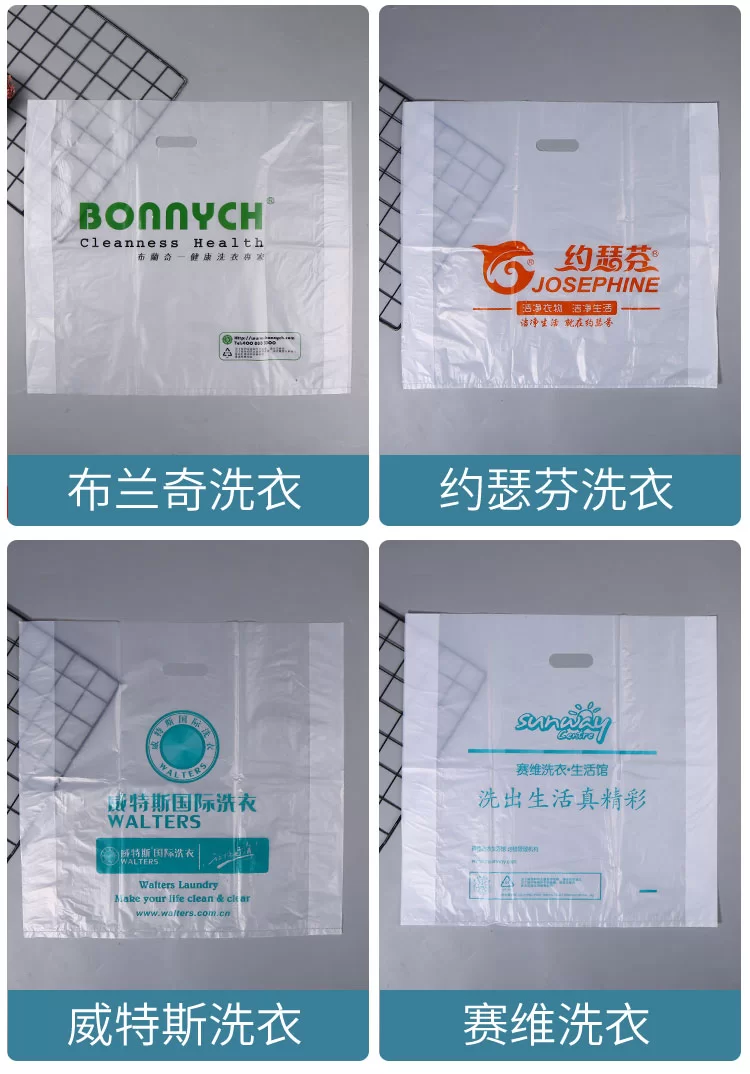
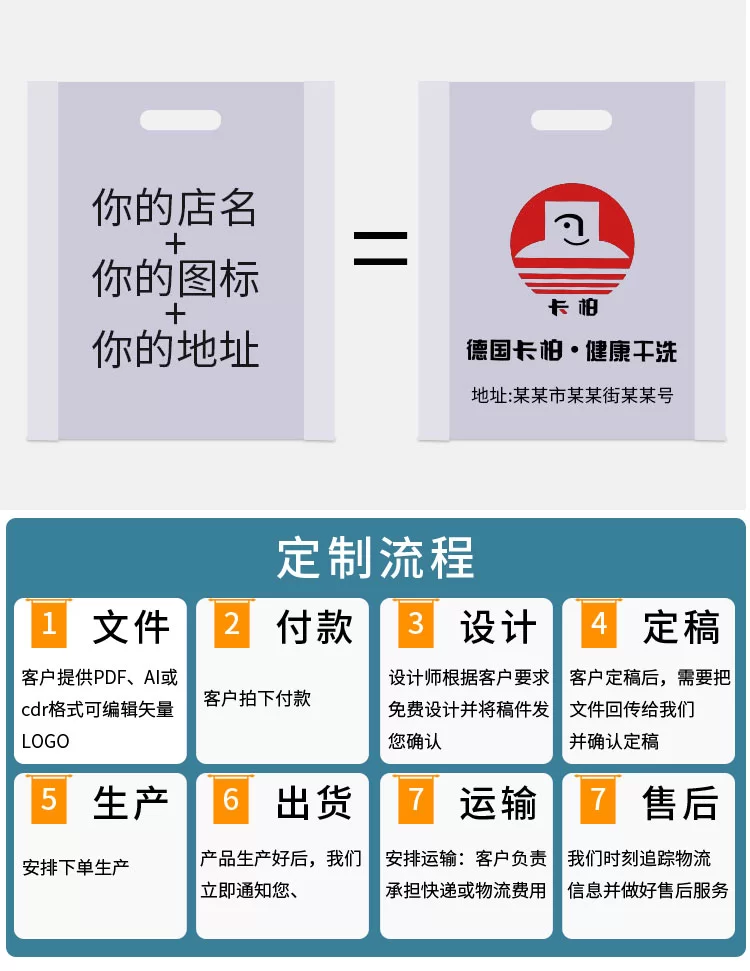
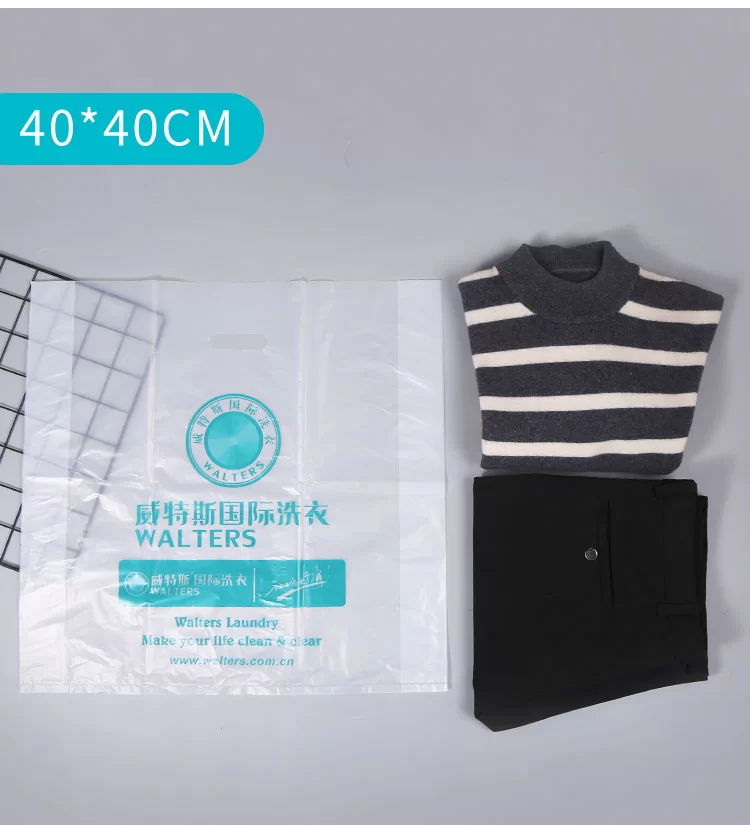
Dry cleaning bags can also be customized for commercial use. Businesses may print logos, brand names, care instructions, or promotional messages directly on the bags. This not only protects the garments but also serves as a marketing tool that reinforces the dry cleaner’s brand identity.
Dryel is a popular at-home dry cleaning system designed to help people refresh and clean delicate garments using a regular household dryer. One common question many users ask is whether a special bag is necessary when using Dryel. The short answer is yes, a bag is typically required because it plays an important role in how the Dryel cleaning process works.
Dryel kits usually include a specially designed reusable cleaning bag. This bag is not the same as a standard plastic or laundry bag. It is made from a durable, heat-resistant fabric that allows controlled airflow while keeping the cleaning vapors concentrated around the garments. During the Dryel process, users place their clothes in the bag along with a cleaning cloth that contains a small amount of cleaning solution. The bag is then placed inside the dryer for a short cycle.
The purpose of the bag is to create a controlled cleaning environment inside the dryer. As the dryer heats up, the cleaning solution from the cloth turns into a gentle vapor. The bag helps trap this vapor around the clothes so it can loosen odors, remove light stains, and refresh fabrics. Without the bag, the vapor would quickly disperse throughout the dryer, making the cleaning process less effective.
Another important function of the bag is to protect delicate fabrics. Many garments that require dry cleaning, such as silk blouses, wool sweaters, and tailored pieces, can be easily damaged by direct heat or excessive tumbling. The Dryel bag helps reduce friction and keeps garments loosely contained, which minimizes wrinkling and helps preserve the shape of the clothing.
In some cases, people may try to use a pillowcase or another fabric bag as a substitute, but this is generally not recommended. The original Dryel bag is designed specifically for the system and ensures the best results and safety during the cleaning cycle.
A dry cleaning bag for clothes is a protective covering used to store, transport, and protect garments after they have been professionally cleaned. These bags are commonly used by dry cleaners to keep clothes clean, wrinkle-free, and protected from dust or moisture before they are returned to customers. They are an essential part of the garment care and dry cleaning industry.
Dry cleaning bags are typically made from lightweight plastic materials such as polyethylene. This type of plastic is flexible, durable, and resistant to moisture, making it suitable for protecting freshly cleaned garments. Most dry cleaning bags are transparent, allowing both the cleaner and the customer to easily identify the clothing inside without opening the bag. The bags are usually large enough to cover garments that are hanging on hangers, such as suits, jackets, dresses, coats, and shirts.
The primary purpose of a dry cleaning bag is to keep clothes clean and protected after the cleaning process. Once garments have been cleaned and pressed, they are vulnerable to dust, dirt, and accidental stains if left exposed. The bag creates a barrier that prevents outside contaminants from reaching the fabric. This ensures that the clothes remain in perfect condition while being transported or stored.
Another important function of dry cleaning bags is to help maintain the appearance of garments. Pressed clothing can easily develop wrinkles if it is not properly protected. By covering the garment with a bag while it is still on a hanger, the clothing remains smooth and well-presented until it is worn. Some dry cleaning bags also include small ventilation holes to allow airflow and prevent moisture from becoming trapped inside.
In recent years, many businesses have started using eco-friendly or reusable dry cleaning bags to reduce plastic waste. These alternatives may be made from recyclable plastic or non-woven fabric materials. Some dry cleaning bags can also be customized with printed logos, brand names, or care instructions, making them useful for both garment protection and brand promotion.

If you are interested in our products, you can choose to leave your information here, and we will be in touch with you shortly.