In the fast-paced world of modern commerce, the demand for high-clarity, durable, and cost-effective packaging has led to the widespread adoption of the opp bag. These specialized containers, crafted from Oriented Polypropylene, serve as a critical bridge between product manufacturing and consumer acquisition, ensuring that goods remain pristine and visually appealing.
Understanding the technical nuances of the opp bag is essential for businesses looking to optimize their supply chain and brand presentation. From the retail of stationery and apparel to the strict requirements of the electronics industry, these bags provide a level of moisture resistance and tensile strength that traditional plastics often lack.
Globally, the shift toward precision packaging highlights why the opp bag remains a gold standard. By balancing transparency with structural integrity, it addresses the dual challenge of protecting the product from environmental contaminants while maximizing the visual impact on the retail shelf.
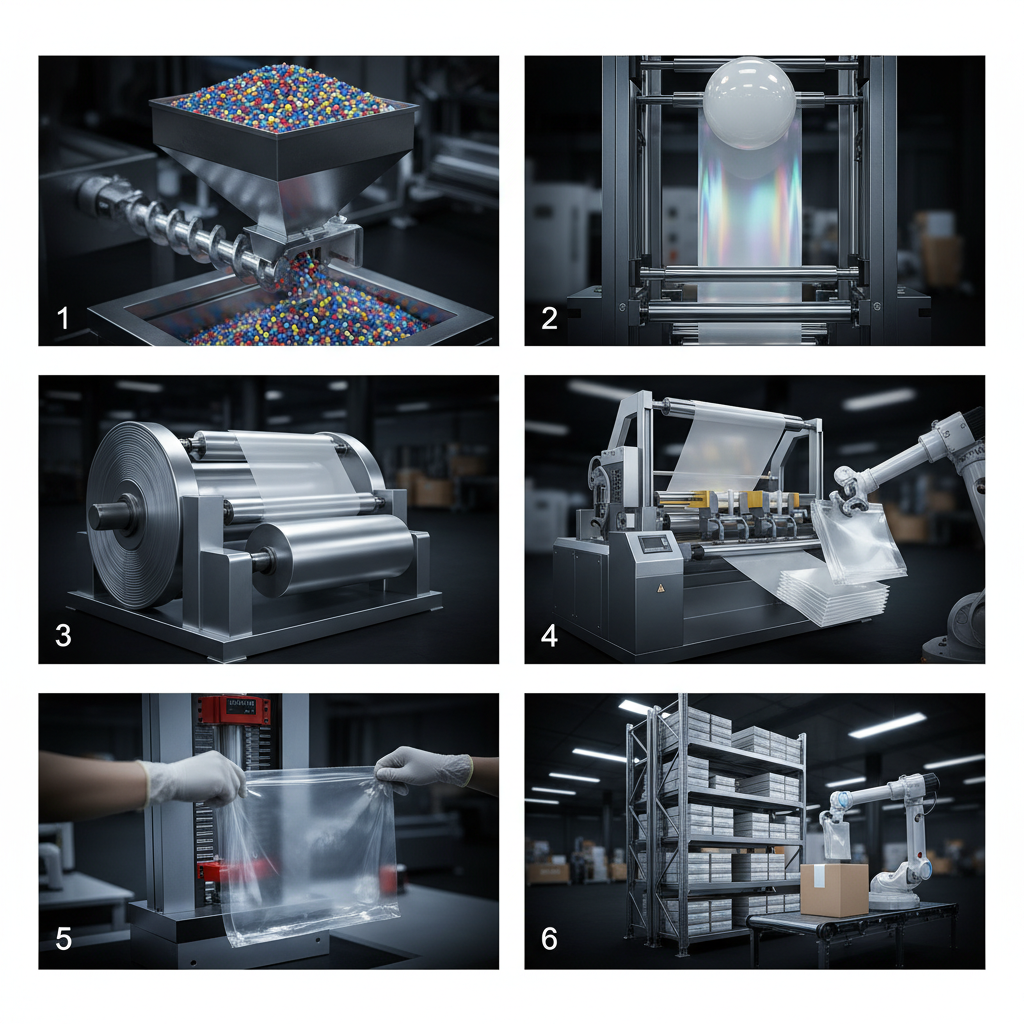
Global Relevance and Industrial Context of OPP Bags
The global packaging market has seen a significant surge in the utilization of the opp bag, driven by the explosion of e-commerce and the globalization of retail. According to industrial standards and trade data, the demand for oriented films has grown because they offer a superior barrier against humidity and dust compared to standard LDPE bags. This makes them indispensable for international shipping where products must withstand varying climatic conditions.
Despite their popularity, the industry faces a constant struggle between maintaining the high-gloss aesthetic consumers love and meeting the increasing pressure for environmental sustainability. Companies are now tasked with integrating these high-performance bags into circular economy models, ensuring that the convenience of the opp bag does not come at the cost of ecological health.
Defining the OPP Bag and Its Technical Meaning
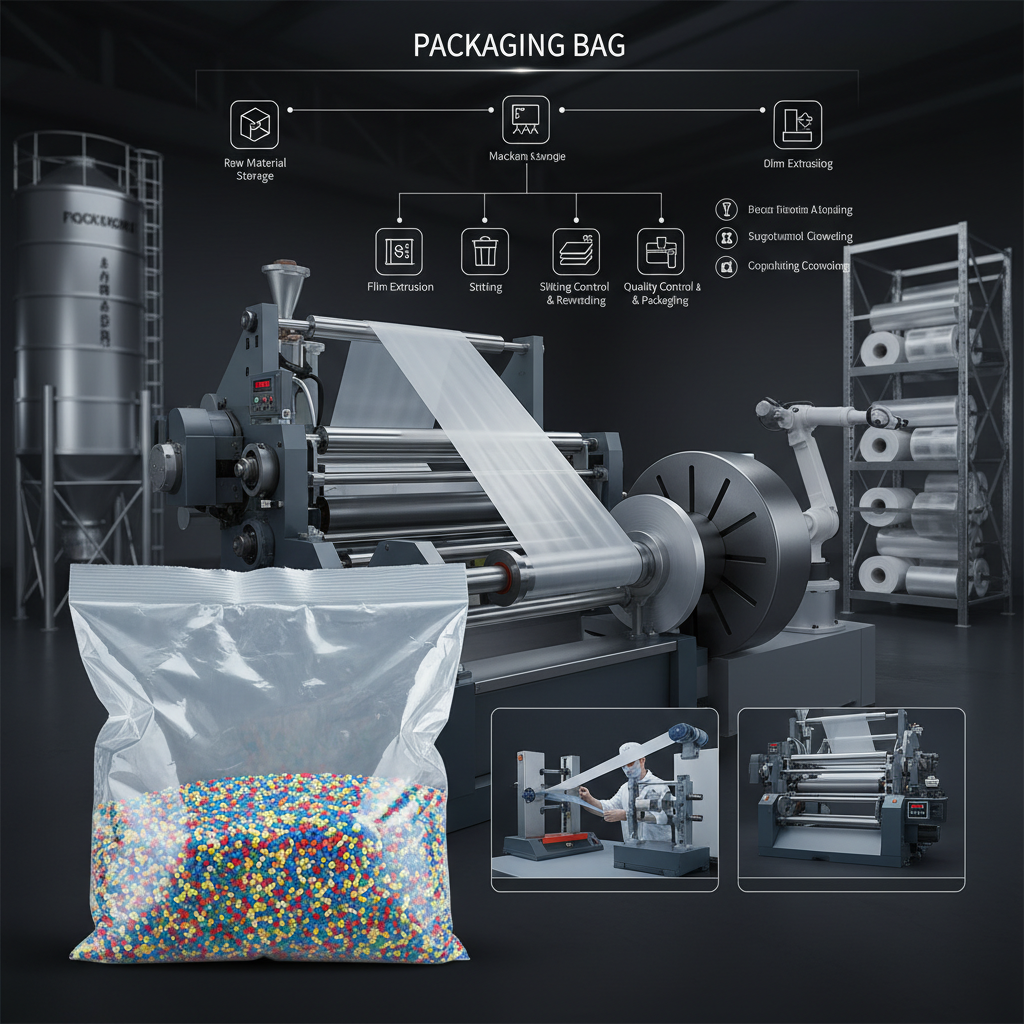
At its core, an opp bag is a packaging solution made from Biaxially Oriented Polypropylene. "Biaxially oriented" means the plastic is stretched in two different directions during the manufacturing process. This mechanical stretching aligns the polymer chains, which drastically increases the film's clarity, tensile strength, and resistance to puncture.
In modern industrial terms, this means the bag is not just a container but a protective shield. For the manufacturing sector, utilizing an opp bag ensures that the product remains visible for marketing purposes while being sealed off from oxygen and moisture, which is critical for items like confectionery, clothing, and electronic components.
Beyond the technical specifications, these bags represent a commitment to professionalism. When a customer receives a product in a crisp, clear opp bag, it signals a level of quality control and care that generic packaging cannot convey, bridging the gap between basic utility and commercial branding.
Core Components of High-Quality OPP Packaging
One of the most critical factors of a premium opp bag is its Optical Clarity. High transparency allows for maximum product visibility, reducing the need for excessive labeling and allowing the product's own quality to act as the primary selling point.
Another essential component is Tensile Strength. Because the material is oriented, the opp bag can withstand significantly more stress before tearing than non-oriented films. This scalability in strength allows manufacturers to choose specific gauges (thicknesses) based on the weight and sharpness of the contents.
Finally, Seal Integrity is paramount. Whether using heat sealing or adhesive strips (self-adhesive tapes), a high-quality opp bag must provide a hermetic or secure closure to prevent contamination and ensure that the product arrives at the end-user in exactly the same condition it left the factory.
Practical Applications and Global Use Cases
The versatility of the opp bag allows it to be deployed across diverse sectors. In the fashion industry, these bags are used globally to protect garments from dust and moisture during transit from factories in Asia to retail hubs in Europe and North America. Their crystal-clear nature allows barcodes and SKU labels to be scanned easily without removing the item from the packaging.
In the food and pharmaceutical sectors, specialized versions of the opp bag are used to keep dry goods fresh. For instance, in remote industrial zones where humidity is high, these bags prevent the clumping of powdered materials or the spoilage of dried snacks, ensuring food security and product longevity.
Performance Metrics of Various OPP Bag Types
Tangible Advantages and Long-Term Value
The primary advantage of adopting an opp bag is the significant reduction in product loss. Due to its superior moisture barrier, items that would otherwise perish or degrade in standard plastic are preserved, leading to a direct increase in the bottom line for manufacturers and retailers alike.
Beyond the financial logic, there is an emotional value linked to trust and safety. A sealed opp bag provides the consumer with a "tamper-evident" feeling, assuring them that the product is hygienic and untouched since its production. This builds long-term brand loyalty and professional trust in a competitive marketplace.
Future Trends in Sustainable OPP Innovations
The future of the opp bag is inextricably linked to the development of "Green Chemistry." We are seeing a transition toward the use of bio-based polypropylene and the integration of biodegradable additives that allow the material to break down more efficiently in industrial composting environments.
Digital transformation is also playing a role. Smart opp bag designs now incorporate QR codes and NFC tags printed directly onto the film. This allows consumers to trace the product's origin and sustainability credentials with a simple smartphone scan, adding a layer of transparency to the packaging.
Furthermore, automation in the bagging process is reducing waste during production. New high-speed machinery can tailor the opp bag dimensions perfectly to the product, eliminating excess plastic and reducing the carbon footprint of shipping by optimizing space.
Common Challenges and Expert Solutions
One common challenge with the opp bag is the "static electricity" build-up, which can attract dust or make the bags cling together, complicating automated packing lines. Experts recommend the use of anti-static coatings during the extrusion process to neutralize the charge and ensure a smooth workflow.
Another limitation is the perceived lack of recyclability in municipal systems. The solution lies in "Closed-Loop" partnerships where manufacturers provide a way for the opp bag to be returned and recycled into lower-grade plastic products, such as industrial pallets or shipping crates.
Finally, achieving the perfect balance between thickness (gauge) and cost can be tricky. To overcome this, we suggest a rigorous "stress-test" phase where different opp bag samples are tested against the specific weights and edges of the product to find the absolute minimum thickness required for safety, thereby reducing both cost and material waste.
Technical Comparison of OPP Bag Specifications and Performance
| Bag Variation |
Clarity Rating |
Durability Score |
Recommended Use |
| Ultra-Clear OPP |
10/10 |
7/10 |
Jewelry, Stationery |
| Self-Seal OPP |
9/10 |
8/10 |
Clothing, Small Gifts |
| Heavy-Duty OPP |
7/10 |
10/10 |
Hardware, Large Parts |
| Matte-Finish OPP |
6/10 |
8/10 |
Premium Cosmetics |
| Bio-Based OPP |
8/10 |
6/10 |
Eco-friendly Retail |
| Printed OPP |
8/10 |
8/10 |
Branded Merchandise |
FAQS
The primary difference lies in the "orientation." An OPP bag is biaxially oriented, meaning it is stretched in two directions, resulting in higher clarity and stiffness. CPP (Cast Polypropylene) bags are not oriented, making them softer and more suitable for heat-sealing applications where flexibility is required, though they lack the same crystal-clear brilliance as OPP.
Yes, OPP bags provide an excellent barrier against moisture and water vapor. While they are not naturally vacuum-tight without a heat seal, once an OPP bag is properly sealed (either via heat or a strong adhesive strip), it effectively protects the contents from environmental humidity and airborne contaminants.
Absolutely. The thickness (often measured in microns) can be adjusted based on the weight and nature of your product. For lightweight items like stickers, a thin gauge is sufficient, whereas heavier items or those with sharp edges require a thicker, more durable OPP bag to prevent punctures during transit.
OPP is a type of polypropylene (PP), which is technically recyclable (Plastic #5). However, many municipal curbside programs do not accept thin films. We recommend partnering with specialized plastic recycling centers or utilizing bio-based OPP alternatives to reduce environmental impact.
Static is a common byproduct of the orientation process. To solve this, you can request "anti-static" treated films from your manufacturer. In a warehouse setting, using industrial ionizers or maintaining a controlled humidity level in the packing area can also significantly reduce static cling.
For e-commerce, the self-adhesive OPP bag is generally the best choice. It allows for rapid packing without the need for external heat-sealing equipment and provides a professional look that protects the product until it reaches the customer's doorstep.
Conclusion
In summary, the opp bag is more than just a simple piece of plastic; it is a high-performance tool that combines optical clarity, structural strength, and protective properties. By leveraging the biaxial orientation of the material, businesses can ensure their products are presented professionally and shielded from the elements, directly influencing consumer perception and reducing operational waste.
As the industry moves toward a more sustainable future, the evolution of the opp bag will likely focus on bio-polymers and closed-loop recycling. For any business looking to elevate its packaging standards, investing in the right grade of OPP packaging is a strategic move toward efficiency and brand excellence. Visit our website: www.prosperplastics.com