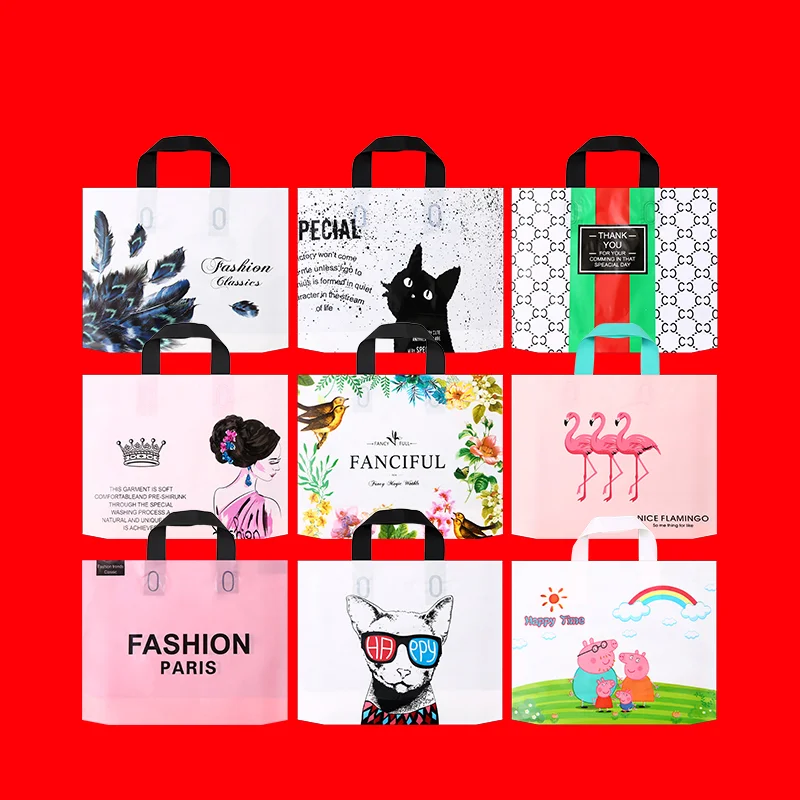
Plastic Four Finger Bag Material Selection Guide for Buyers

High-volume consumable packaging procurement requires rigorous alignment between polymer specifications and distinct operational environments. Selecting appropriate materials for retail bags and promotional carriers depends directly on specific end-use load requirements and regional distribution channels rather than generic choices.
Supply chain directors evaluating large purchase orders must balance film stiffness against raw material expenditures. Operational variables such as grocery carrying loads or takeaway food packaging demands dictate whether high-density or low-density polyethylene suits the intended application.
Furthermore, regulatory frameworks and waste stream management necessitate careful evaluation of biodegradable or recyclable plastic options. Polymer formulations must be verified against specific end-use conditions to ensure compliance before bulk distribution begins.
Balancing Resin Costs and Film Stiffness in HDPE and LDPE Baselines
Evaluating Polymer Choices in Industrial Procurement
High-Density Polyethylene and Low-Density Polyethylene function as fundamental polymer choices across international retail and promotional supply chains. Purchasing departments evaluating large purchase orders balance raw resin costs against required film stiffness. High-Density Polyethylene provides rigid structural properties suited for bulk procurement, whereas Low-Density Polyethylene offers flexible tactile qualities appropriate for specialized merchandising needs.
Tactile feel differences between these baseline materials dictate how a brand positions its packaging during consumer interactions. Procurement teams assess these surface characteristics alongside cost structures before committing to high-volume manufacturing runs.
Comparative Analysis of Resin Baselines
| material | application | industry |
|---|---|---|
| High-Density Polyethylene (HDPE) | bulk grocery shopping or industrial use | Supermarkets |
| Low-Density Polyethylene (LDPE) | Retail industry: Packaging products for clothing stores, beauty stores, gift stores, and milk tea shops | Retail |
| Polyethylene (PE) | carrying groceries, clothing, or small retail items | Small businesses |
Structural Performance Boundaries
Film stiffness parameters directly dictate load support capabilities across supermarket checkout counters and boutique counters alike. Detailed technical documentation and compliance files are to be confirmed with the supplier prior to final distribution.
Navigating Biodegradable and Recyclable Plastics for Regional Compliance
Regulatory Differentiation Between Biodegradable and Recyclable Polymer Options
Biodegradable and recyclable plastic formulations cannot be treated as interchangeable inputs when planning large-scale packaging distribution across multi-jurisdictional markets. Each polymer classification requires distinct processing infrastructure and downstream handling parameters that directly affect municipal waste management outcomes. Procurement teams evaluating Retail and Supermarkets supply chains must analyze end-of-life pathways before confirming volume purchase orders.
Recyclable plastic formulations rely on established mechanical reprocessing streams where post-consumer items are collected, sorted, and re-melted into secondary resin pellets. This closed-loop pathway depends heavily on local municipal sorting capabilities and consumer sorting compliance. Supermarkets and Small businesses utilizing these materials must verify that regional collection infrastructure supports the specific polymer grade.
Biodegradable plastic options function through biological decomposition pathways that require specific industrial composting conditions or targeted microbial environments to break down effectively. Diverting these items into standard mechanical recycling streams contaminates regrind batches and disrupts industrial reprocessing facilities. Supply chain managers must assess regional waste management regulations to determine whether organic recovery or mechanical recycling aligns with local disposal mandates.
Compliance Alignment and Waste Stream Integration
Aligning material choices with regional compliance mandates prevents regulatory friction and avoids customs delays at destination ports. Importing entities distributing packaging products for clothing stores, beauty stores, and gift stores face varying environmental restrictions across international markets. Non-compliant polymer choices can trigger shipment rejections or unexpected tariff penalties.
Matching material selections to specific end-use waste disposal streams ensures that promotional items and retail carrier bags integrate smoothly into local municipal frameworks. Event Promotion campaigns utilizing advertising bags printed with event information must account for municipal disposal regulations in every target distribution region. To verify compliance boundaries for specific shipments, documentation available from the supplier provides necessary baseline references without assuming unverified performance claims.
Matching Material Selection to Tear Resistance and Retail Load Performance
Mechanical Stress and Tensile Properties
Film puncture strength and tensile elongation limits govern how successfully polymer films perform under varying commercial distribution stresses. Retailers handling heavy-duty items require specific mechanical thresholds that generic thin-gauge packaging fails to deliver.
High-Density Polyethylene provides high tensile strength suited for rigorous distribution environments. Low-Density Polyethylene delivers high elongation properties, absorbing sudden impact forces without catastrophic tearing.
| material | application | industry |
|---|---|---|
| High-Density Polyethylene (HDPE) | packaging clothing, small electronics, or takeaway food | Supermarkets |
| Low-Density Polyethylene (LDPE) | promotional events | Retail |
| Polyethylene (PE) | carrying groceries, clothing, or small retail items | Small businesses |
Load Capacity and Environmental Adaptation
Takeaway food packaging benefits from moisture-resistant polymer barriers that maintain structural integrity despite condensation or grease exposure. The selected polymer thickness depends directly on the total weight of the retail load and the distribution distance.
Optimizing Flexographic Printing for Multi-Color Event Promotion Graphics
Surface Adaptability for Flexographic Inks
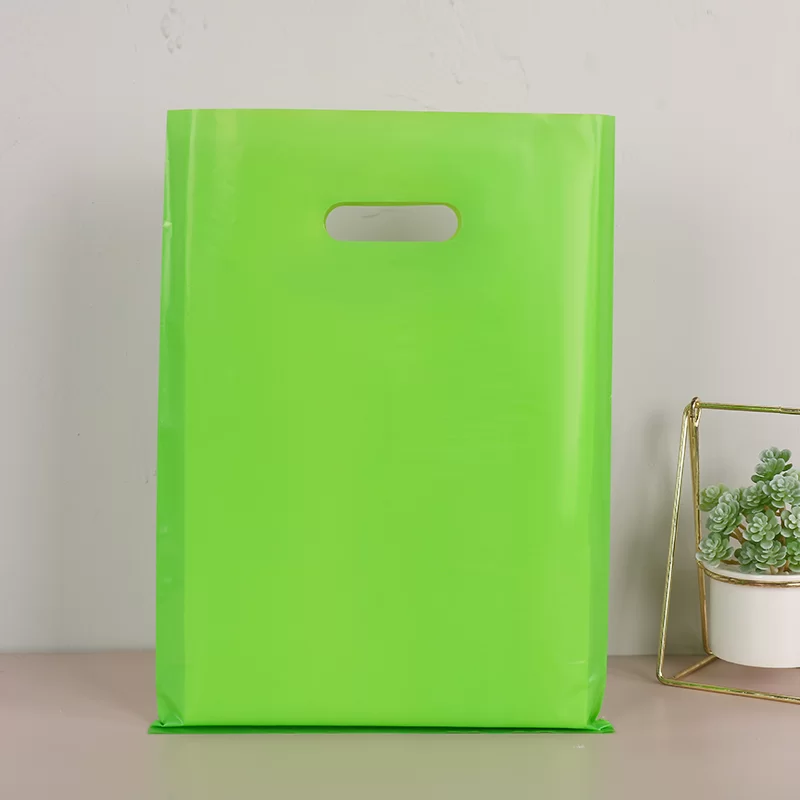
Plastic Four Finger Bag variants utilize high-density or low-density polyethylene formulations designed to accept flexographic printing without surface pretreatment delays. This substrate compatibility supports multi-color event promotion graphics, allowing brands to display event information clearly across mobile promotional media.
Polymer film tension levels dictate how evenly printing inks adhere during high-speed production runs. When film surface energy remains properly tuned, ink flaking and smudging issues are prevented during subsequent handling and transit stages.
Maintaining Graphic Integrity in Transit
Multi-color event promotion layouts demand robust ink anchorage to withstand friction from stacking and manual distribution. Event advertising bags experience frequent contact during logistics operations, making ink durability a critical factor for visual presentation.
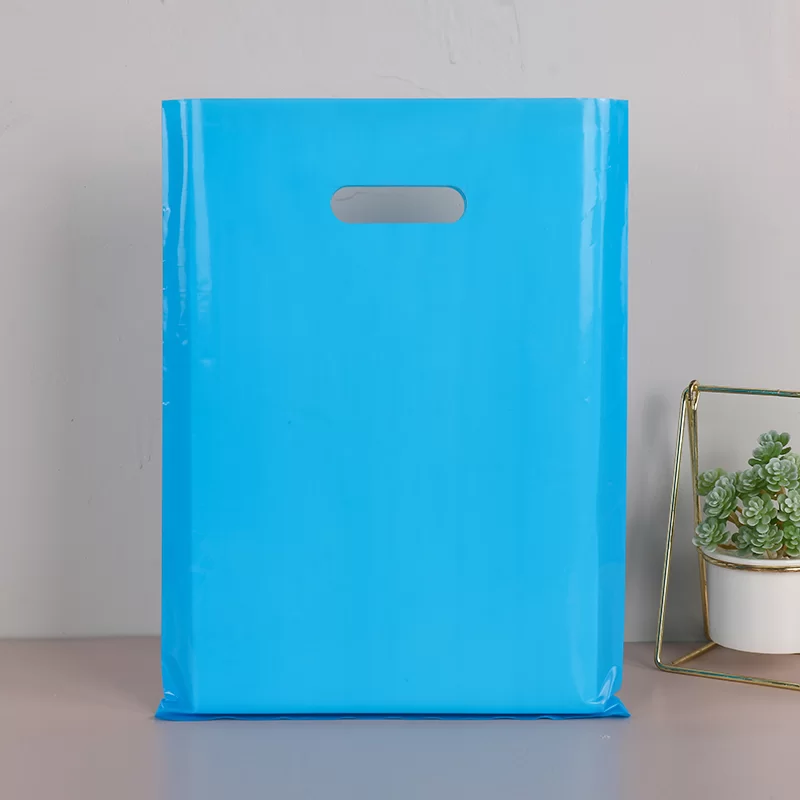
Protective topcoats or solvent-based ink systems reduce smear risks depending on order volume and drying tunnel temperatures. Without proper curing parameters, friction during transport can compromise visual quality before the bags reach promotional venues.
Aligning Whitelist Application Data with Industry Research Notes
Cross-referencing authorized polymer lists against documented supply chain use cases reveals direct correlations between resin formulation and end-use performance. Operational parameters derived from initial evaluation phases confirm that material selection governs downstream packaging durability across distinct distribution channels.
Verifying baseline polymer performance relies on matching specific raw material grades to designated industrial environments. High-Density Polyethylene (HDPE) and Low-Density Polyethylene (LDPE) demonstrate distinct mechanical behaviors when deployed in high-volume retail settings. Supply chain managers depend on these documented behaviors to prevent premature film failure during transit and handling stages.
| Material | Application | Industry |
|---|---|---|
| High-Density Polyethylene (HDPE) | Bulk grocery shopping or industrial use | Supermarkets |
| Low-Density Polyethylene (LDPE) | Packaging products for clothing stores, beauty stores, gift stores, and milk tea shops | Retail |
| Polyethylene (PE) | Carrying groceries, clothing, or small retail items | Small businesses |
Reviewing structural parameters from prior analytical notes ensures that chosen film variants withstand the physical demands of commercial transit. Operational variables such as load weight and distribution frequency dictate whether rigid or flexible polymer grades best serve the intended commercial environment.
Evaluating Promotional Bag Requirements Against Regulatory and Waste Streams
Analyzing promotional bag requirements depends directly on event distribution channels, print coverage ratios, and local end-of-life disposal regulations. Procurement strategies must balance high-volume distribution demands against regional waste management capabilities.
Event Promotion Scenarios
Promotional events require flexible advertising carriers that display multi-color graphics without ink flaking during transit. For instance, shopping centers and exhibition spaces distribute branded carriers as mobile promotional media, which subjects the film surface to continuous friction.
Event organizers evaluate film stiffness to ensure that printed graphics remain undistorted when bags are filled with event materials. Depending on order volumes, delivery timelines, and destination port logistics, polymer substrates must withstand both storage stacking pressure and ambient temperature variations.

Integrating Compliance Parameters
Material choices are dictated by regional sustainability mandates and local municipal recycling streams. When orders involve cross-border distribution, procurement teams must verify whether biodegradable formulations or recyclable PE variants align with local waste recovery infrastructure.
Failing to match polymer types to correct disposal streams results in regulatory friction at the port of entry. Bulk purchasing decisions thus integrate regional waste legislation, minimum order quantities, and freight schedules to prevent post-delivery compliance rejections.
Frequently Asked Questions
Material selection between biodegradable and recyclable formulations depends heavily on regional compliance mandates and specific end-use waste disposal streams. These categories cannot be treated as interchangeable options when distributing across multiple regional distribution channels. Supply chain directors must align their bulk orders with local regulatory frameworks and waste management capabilities to avoid logistical friction.
Polyethylene density directly influences load support capabilities for diverse retail loads, ranging from carrying groceries and small retail items to packaging small electronics or takeaway food. Operating conditions such as grocery carrying loads or takeaway food packaging demands dictate whether high-density or low-density polyethylene suits the intended application. Procurement managers connect material selection directly to tear resistance capabilities based on these distinct end-use weights.
Four-finger bag materials must accommodate flexographic printing requirements to ensure graphic integrity for multi-color event promotion without visual defects. Preventing ink flaking or smudging during handling and transit stages depends on the surface characteristics of the chosen polymer film. Sourcing teams verify printability alongside structural load performance before finalizing specifications for mobile promotional media used in advertising campaigns.
Procurement directors verify baseline polymer performance by matching whitelist application and material lists against documented supply chain use cases. Operational parameters derived from supermarket retail and promotional event applications guide the final evaluation of film specifications. This cross-referencing process ensures that high-volume consumable packaging materials meet the functional demands of supermarkets, retail stores, and small businesses.
Final purchasing decisions for event promotion carriers depend on synthesizing material data with verified compliance parameters and target end-use applications. Buyers evaluate the promotional bag requirements against regional waste streams and advertising display needs. This ensures that bags used as mobile promotional media maintain both structural integrity and regulatory alignment throughout distribution.
Conclusion
Procurement teams finalize bulk purchase orders by aligning specific operational scenarios, expected load capacities, and regional compliance mandates directly with approved polymer specifications. Each high-volume transaction depends on clear definitions of intended end-use parameters before final contracts are signed.
Operational parameters such as destination port logistics and minimum order quantities dictate the final feasibility of large-scale manufacturing runs. Depending on these variables, delivery schedules adjust to match global supply chain requirements.