
For modern enterprises, custom printed plastic bags serve as more than simple transport vessels; they are critical touchpoints for brand identity and product protection. By integrating high-definition graphics with durable polymer materials, businesses can transform a commodity item into a mobile advertisement that reinforces brand recognition during the final stage of the customer journey.
The transition from generic packaging to tailored solutions requires a deep understanding of material science and printing technology. Whether a company needs the rigid strength of high-density polyethylene for heavy grocery items or the glossy, soft-touch feel of low-density polymers for boutique clothing, the choice of specification directly impacts the perceived value of the product and the operational efficiency of the retail environment.
This comprehensive guide analyzes the technical requirements and procurement considerations for professional packaging. Readers will learn how to evaluate material thickness, choose the correct printing methods for brand fidelity, and identify the quality benchmarks necessary to ensure that promotional carriers do not fail during consumer use, thereby protecting both the merchandise and the corporate reputation.
Fundamentals of Branded Polymer Packaging
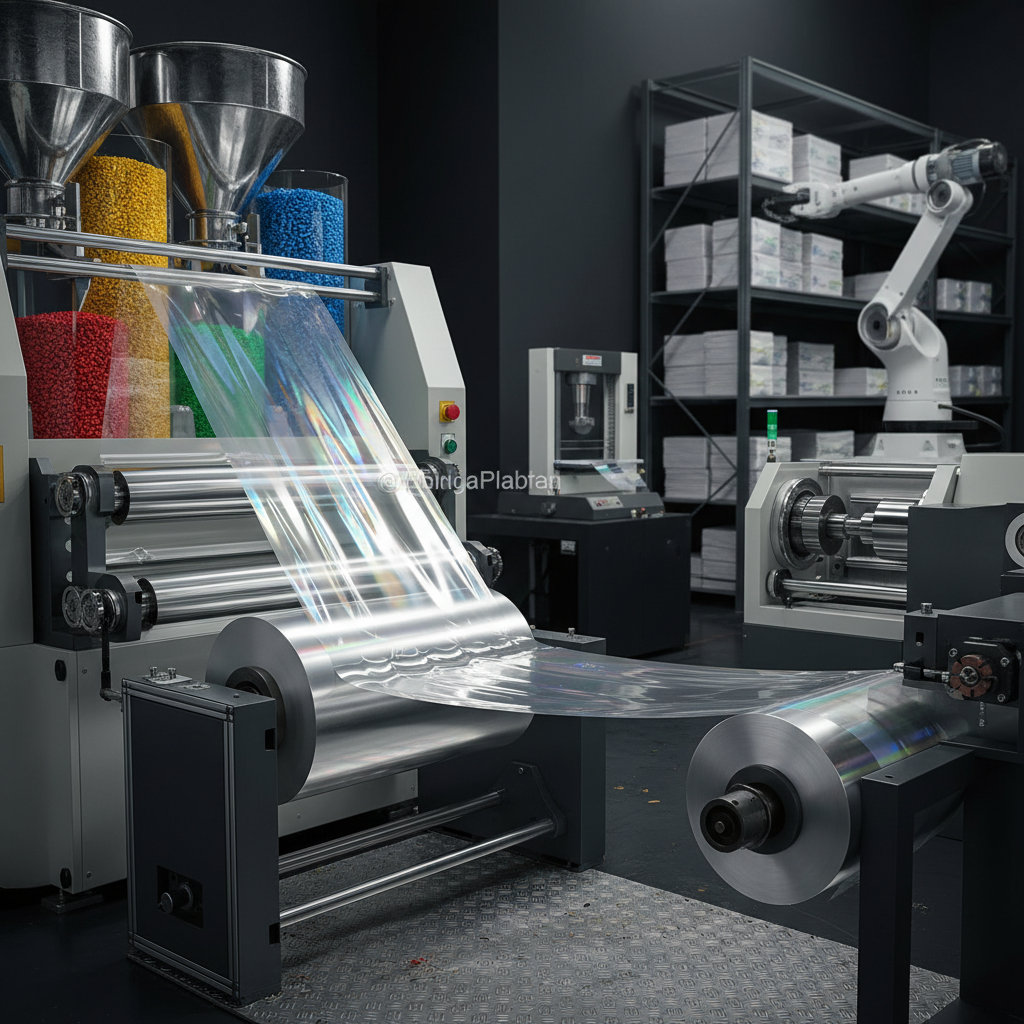
Professional branded packaging is rooted in the synergy between chemical engineering and graphic design. At its core, the process involves extruding polyethylene resins into films, which are then treated to accept specialized inks. The efficacy of custom printed plastic bags depends on the surface tension of the film; without proper corona treatment, inks may peel or smudge, compromising the brand's professional image. In the B2B sector, the objective is to balance cost-per-unit with structural integrity, ensuring the bag can withstand the stresses of transport while maintaining visual clarity.
Strategic Selection for Commercial Use
Selecting the ideal packaging solution involves a multi-dimensional analysis of weight, aesthetics, and environmental compliance. The following sections detail the technical criteria that procurement officers and brand managers must evaluate to optimize their packaging investment.
Material Selection: HDPE vs LDPE
The primary decision in polymer packaging is the density of the polyethylene. HDPE offers high tensile strength and a crinkly texture, making it cost-effective for high-volume retail. Conversely, LDPE provides a premium, smooth finish and superior flexibility. Ningjin Xinrong Plastic Industry utilizes both materials to cater to different market segments, ensuring that the physical properties of the bag align with the product's weight and the brand's positioning.
| Material Type | Tactile Property | Primary Strength | Best Use Case |
|---|---|---|---|
| HDPE | Crinkly/Firm | High Tensile Strength | Grocery & Hardware |
| LDPE | Smooth/Glossy | High Flexibility | Boutiques & Apparel |
| Thickened PE | Heavy Duty | Load Bearing (3-5kg) | Books & Electronics |
| Biodegradable | Variable | Environmental Compliance | Eco-conscious Retail |
| OPP Adhesive | Transparent/Stiff | High Clarity | Clothing Dust Bags |
| PE Self-Adhesive | Soft/Sealable | Quick Closure | E-commerce Shipping |
Print Quality and Brand Fidelity
High-definition printing is essential for maintaining color accuracy across large batches. Professional manufacturers employ scientific quality management to ensure that the Pantone colors used in a company's logo are reproduced consistently. The smooth surface of premium PE materials allows for high-contrast printing, which prevents the image from distorting when the bag is filled, ensuring that brand messaging remains legible and impactful.
Load-Bearing Capacity and Durability
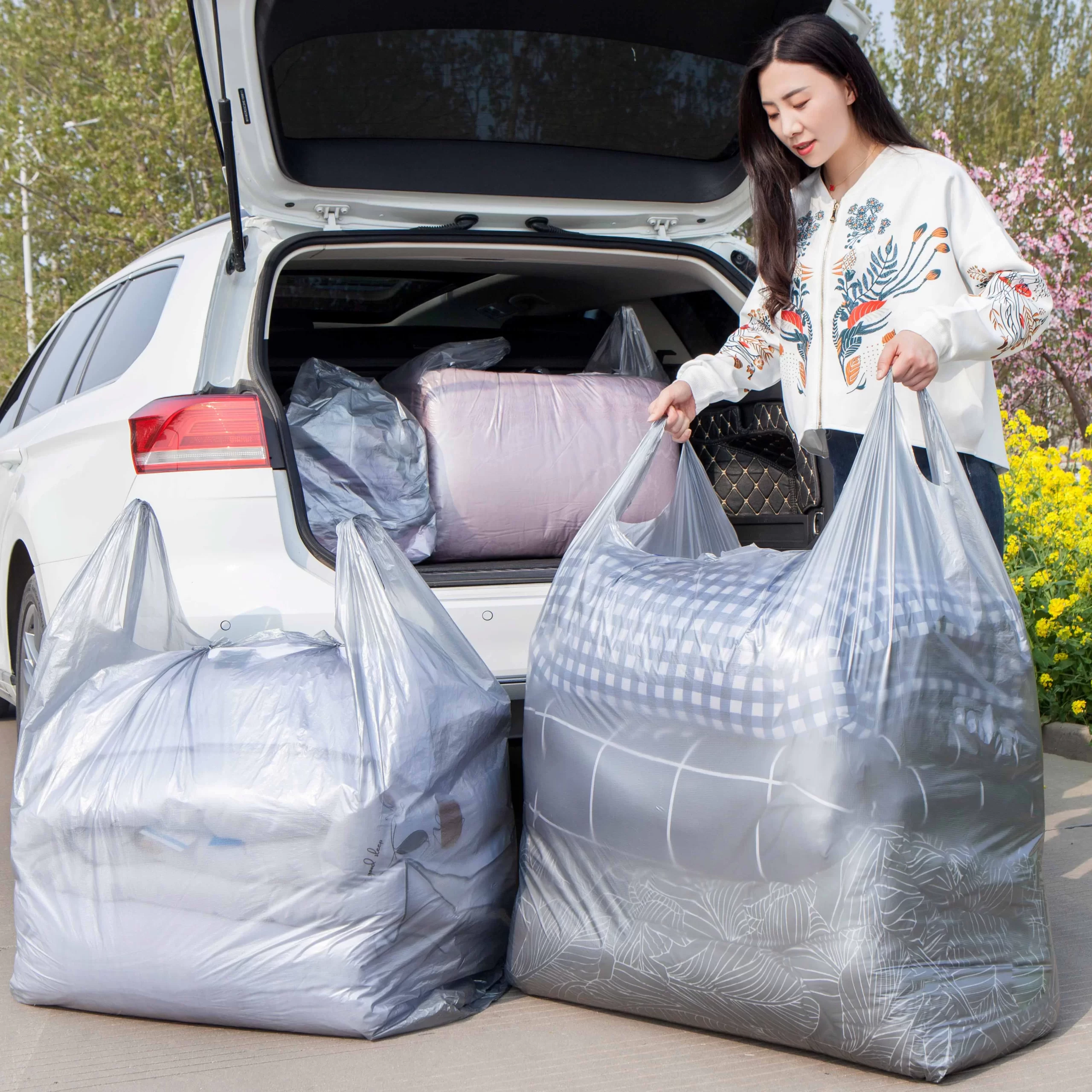
A frequent failure in low-cost packaging is handle detachment or bottom tearing. To mitigate this, reinforced handle designs and widened bottom structures are implemented. For instance, thickened PE tote versions are engineered to support weights between 3kg to 5kg. Evaluating the seal integrity is critical, as a seamless membrane prevents contamination and ensures the bag does not rupture under sudden tension.
Customization Parameters for Retail
Customization extends beyond graphics to include functional dimensions. From small promotional pouches to extra-large retail totes, the size must be optimized to reduce material waste while fitting the product securely. Options such as horizontal stable standing bottoms are particularly valuable for gifts or clothing, allowing the bag to be displayed upright in a retail setting.
Moisture and Environmental Protection
Polyethylene is naturally hydrophobic, providing an essential barrier against rain, humidity, and dust. This water-resistant property is vital for e-commerce and food delivery services where external environmental factors can damage the contents. The seamless sealing process further ensures that moisture cannot penetrate the seams, providing a secure shield for the merchandise.
Sustainability and Recyclability
With increasing regulatory pressure on single-use plastics, the industry is shifting toward recyclable and biodegradable alternatives. Incorporating semi-degradable or fully biodegradable materials allows businesses to meet environmental standards without sacrificing the utility of the packaging. Reusable versions of PE totes further extend the product lifecycle, reducing the overall carbon footprint per use.
Procurement and Supply Chain Logistics
For B2B buyers, lead time and consistency are paramount. A manufacturer with a large daily production capacity (e.g., over 20 tons) can ensure a stable supply chain and timely delivery for both domestic and foreign orders. Establishing a relationship with a supplier that offers wholesale pricing for smaller quantities helps businesses manage inventory levels without incurring excessive overhead costs.
FAQ
What is the main difference between HDPE and LDPE for branded bags?
HDPE (High-Density Polyethylene) is characterized by higher strength and a crinkly feel, making it ideal for heavy-duty loads and cost-efficient mass distribution. LDPE (Low-Density Polyethylene) is softer, more flexible, and has a glossy finish, which provides a more premium aesthetic suitable for high-end retail and fashion boutiques.
Are these polymer carrier bags recyclable?
Yes, polyethylene is a widely recyclable plastic. To further support sustainability goals, many manufacturers now offer reusable versions or materials that are semi-degradable and fully biodegradable to reduce long-term environmental impact and comply with global plastic regulations.
Can the size and logo be fully customized for my brand?
Absolutely. Professional services allow for complete customization of dimensions, from small pouches to large tote bags. High-definition printing ensures that brand logos and marketing messages are vibrant and clear, with a focus on color accuracy to match corporate identity guidelines.
How much weight can a thickened PE bag realistically support?
Thickened versions are specifically engineered for higher load-bearing capacities, typically supporting between 3kg to 5kg without tearing. This is achieved through increased material thickness and reinforced handle attachments, making them suitable for heavier items like books or groceries.
Do these bags protect products from rain or spills?
Yes, polyethylene is naturally water-resistant. The seamless seal and the moisture-proof properties of the PE membrane effectively isolate the contents from rain, spills, and dust, ensuring the merchandise remains dry and uncontaminated during transit.
Which industries benefit most from customized PE tote solutions?
These solutions are highly versatile and widely used in the retail industry, supermarket chains, food delivery services, and promotional event organizing. They are also ideal for e-commerce packaging and household organization due to their durability and customizable nature.
References and further reading
- Polyethylene Properties and Industrial Applications - Material Science Overview.
- Global Standards for Plastic Recycling and Biodegradable Polymers.
- Principles of Flexographic Printing on Polymer Films.
Related Articles