
Developing custom plastic shopping bags with logo is a critical touchpoint for B2B enterprises looking to synchronize their physical product delivery with a cohesive brand identity. In the competitive retail and e-commerce landscape, the bag is no longer just a carrier but a mobile billboard that communicates professionalism and quality to the end consumer. This article explores the technical and commercial considerations required to produce high-impact branded packaging that balances aesthetics with structural durability.
For procurement managers, selecting the right material and printing method is essential to avoid common pitfalls such as ink peeling or material failure under load. Whether utilizing high-transparency OPP films for luxury cosmetics or durable LDPE for heavier retail items, the synergy between the material's physical properties and the logo's visual clarity determines the perceived value of the brand. Understanding the distinction between different polymer grades allows businesses to optimize cost-efficiency without compromising the visual integrity of their corporate identity.
Readers will gain technical insights into the "oriented" process of polypropylene, the advantages of various sealing mechanisms, and a framework for evaluating manufacturing partners based on daily output and quality management systems. By the end of this guide, you will be able to specify exact technical requirements for your customized carrier solutions, ensuring that the final product aligns with both functional requirements and brand guidelines.
Strategic Branding via Custom Packaging
The implementation of branded plastic carriers serves as a fundamental element of a company's marketing strategy. From a psychological perspective, a high-quality bag reinforces the consumer's purchase decision and increases brand recall. The technical challenge lies in achieving high-definition printing on non-porous plastic surfaces, which requires specialized inks and precise temperature control during the printing process. For a manufacturer like Ningjin Xinrong Plastic Industry Co., Ltd., with over 20 years of experience in blown film printing, the focus is on maintaining consistent color density across large batches, ensuring that a logo printed on the first bag is identical to the one on the ten-thousandth.
Beyond aesthetics, the structural design—such as the choice between a flat bag, a handle bag, or a vest bag—must be mapped to the intended use case. For instance, custom plastic shopping bags with logo designed for high-end apparel require a different gauge (thickness) and transparency than those intended for bulk industrial parts. The integration of scientific quality management systems ensures that these bags meet tensile strength standards, preventing accidental ruptures that could damage the brand's reputation.
Procurement Guide for Branded Plastic Bags
Navigating the technical specifications of branded packaging requires a deep dive into polymer science and manufacturing capabilities. Procurement decisions should be driven by the specific balance of transparency, rigidity, and strength required for the product being housed.
Material Selection Analysis
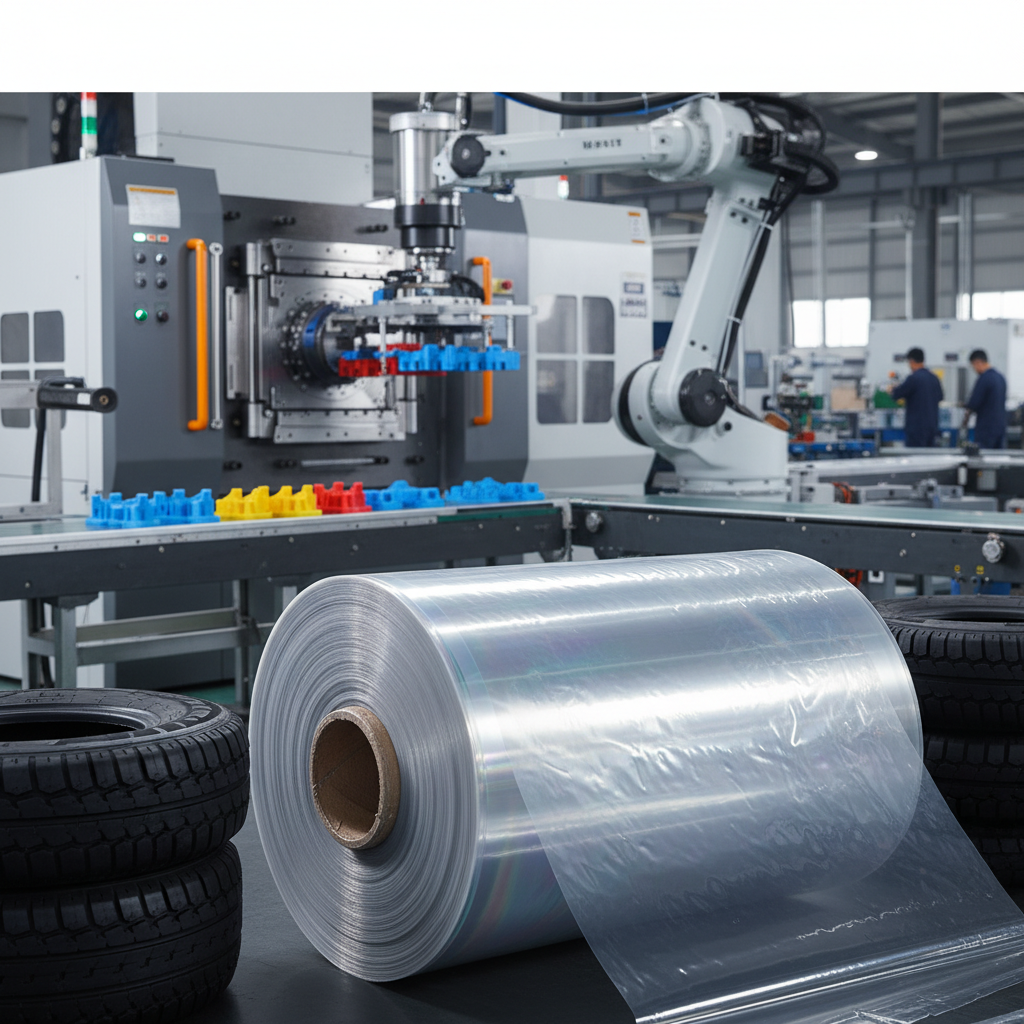
The choice between HDPE (High-Density Polyethylene), LDPE (Low-Density Polyethylene), and OPP (Oriented Polypropylene) fundamentally alters the bag's performance. OPP is preferred for high-visibility retail due to its crystal-clear transparency and crisp texture, resulting from the stretching process that aligns the polymer chains. Conversely, PE materials offer more flexibility and impact resistance, making them suitable for heavier items.
| Material Type | Visual Property | Structural Feel | Primary Use Case |
|---|---|---|---|
| Oriented Polypropylene (OPP) | Crystal Clear / Glossy | Crisp & Rigid | Cosmetics, Jewelry, Apparel |
| Low-Density Polyethylene (LDPE) | Translucent / Matte | Soft & Flexible | Heavy Retail, Clothing |
| High-Density Polyethylene (HDPE) | Opaque / Cloudy | Crinkly & Strong | Grocery, Utility Bags |
| Biodegradable Polymers | Varies | Variable | Eco-conscious Branding |
| PE Self-Adhesive | Clear | Flexible | E-commerce Logistics |
| High-Pressure PE | Glossy | Pliable | Premium Gift Packaging |
Logo Printing Precision
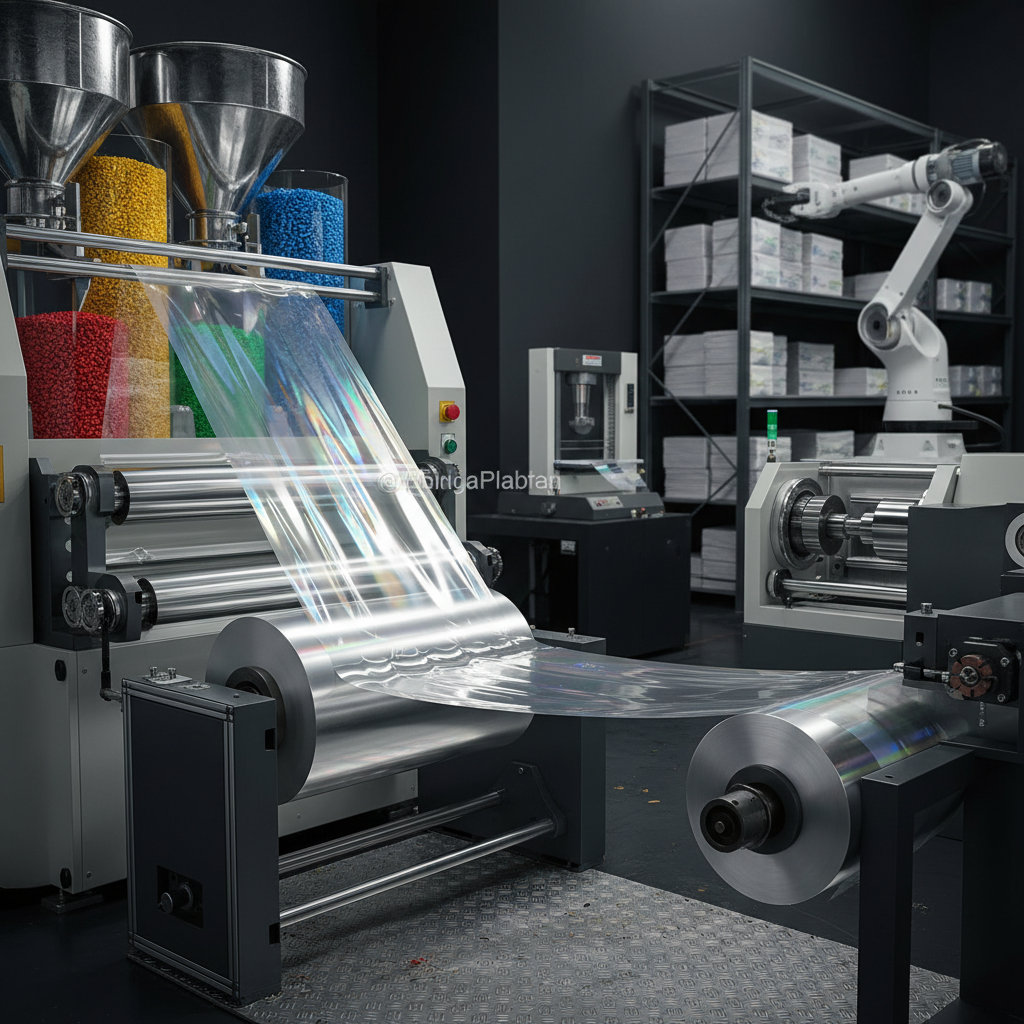
High-definition logo application requires a balance of ink viscosity and surface tension. For branded carriers, the use of advanced blown film printing ensures that colors remain vibrant and edges stay sharp. It is critical to specify the printing method—whether it is flexographic or rotogravure—as this affects the detail level of the corporate logo. Consistent ink adhesion is paramount to prevent smudging during transit.
Seal Integrity & Closure Types
The closure mechanism defines the user experience. Self-adhesive strips (often described as "one tear, one stick") are ideal for rapid order fulfillment in e-commerce. Heat-sealed edges provide a permanent, tamper-evident closure, while open-mouth designs are standard for traditional retail. Ensuring a secure, non-explosive seal at the bottom and sides is essential for maintaining product safety during shipping.
Retail Presentation Factors
Visual impact is driven by transparency and gloss. For premium retail, the "Oriented" process in OPP bags enhances clarity, allowing customers to inspect the product without opening the package. This reduces the likelihood of returns and increases sales conversion. Additionally, the inclusion of breathable holes prevents air bulging, ensuring the package remains flat and professional on a display shelf.
Customization Limitations
While customization options are vast, businesses must consider the trade-off between complexity and cost. High-color-count logos may increase setup time and unit costs. Furthermore, the size of the printable area is constrained by the bag's seals and handles. Coordinating with an R&D team to optimize the logo placement ensures maximum visibility without interfering with the bag's structural integrity.
Environmental Compliance
Modern procurement must address sustainability. The shift toward semi-degradable and fully biodegradable bags is driven by global regulatory pressure. Transitioning to recyclable materials like high-grade polypropylene helps companies meet ESG (Environmental, Social, and Governance) goals while still providing the necessary protective barrier against dust, moisture, and contaminants.
Supplier Capacity Evaluation
When auditing a supplier, daily production capacity is a key metric. A facility covering over ten acres with a daily output exceeding 20 tons, such as the Ningjin Xinrong factory, indicates the ability to handle large-scale bulk orders without compromising lead times. Buyers should also verify the presence of a scientific quality management system to ensure consistency across various order sizes, from small wholesale lots to massive foreign contracts.
FAQ
What is the "oriented" process in branded OPP bags?
The "oriented" process involves stretching the polypropylene film in specific directions during production. This mechanical stretching increases the material's tensile strength, significantly enhances optical clarity, and gives the bag its characteristic crisp, rigid texture, making it superior for high-end retail displays.
How do I ensure my logo doesn't peel off the plastic surface?
Ink adhesion is achieved through correct surface treatment (such as corona treatment) and the use of specialized inks formulated for non-porous polymers. Working with an experienced manufacturer that employs a scientific quality management system ensures that the printing process is optimized for the specific material grade used.
Can I order small quantities of customized bags at wholesale prices?
Yes, some manufacturers offer wholesale pricing even for smaller quantities to support growing businesses, though larger volumes typically yield more favorable per-unit costs due to the reduction in setup overhead for the printing and cutting machinery.
What is the purpose of breathable holes in retail packaging?
Breathable holes allow air to escape during the sealing process. This prevents the bag from bulging (the "balloon effect"), which is particularly important for clothing and soft goods to ensure the package remains flat, neat, and professional during shipping and shelving.
Which material is better for e-commerce: OPP or PE?
It depends on the goal. OPP is superior for visibility and a "premium" feel in retail. However, PE (especially LDPE) is often better for e-commerce shipping due to its higher puncture resistance and flexibility, which better protects products during the rigors of logistics.
Are biodegradable options available for customized branded bags?
Absolutely. Manufacturers now provide both semi-degradable and fully biodegradable options. These materials are engineered to break down more rapidly than traditional plastics, allowing brands to maintain their visual identity while significantly reducing their environmental footprint.
References and further reading
- Polypropylene Orientation and Tensile Strength Analysis in Retail Packaging.
- Global Standards for Biodegradable Plastics and Environmental Compliance.
- Principles of Flexographic Printing on Non-Porous Polymer Films.
Related Articles