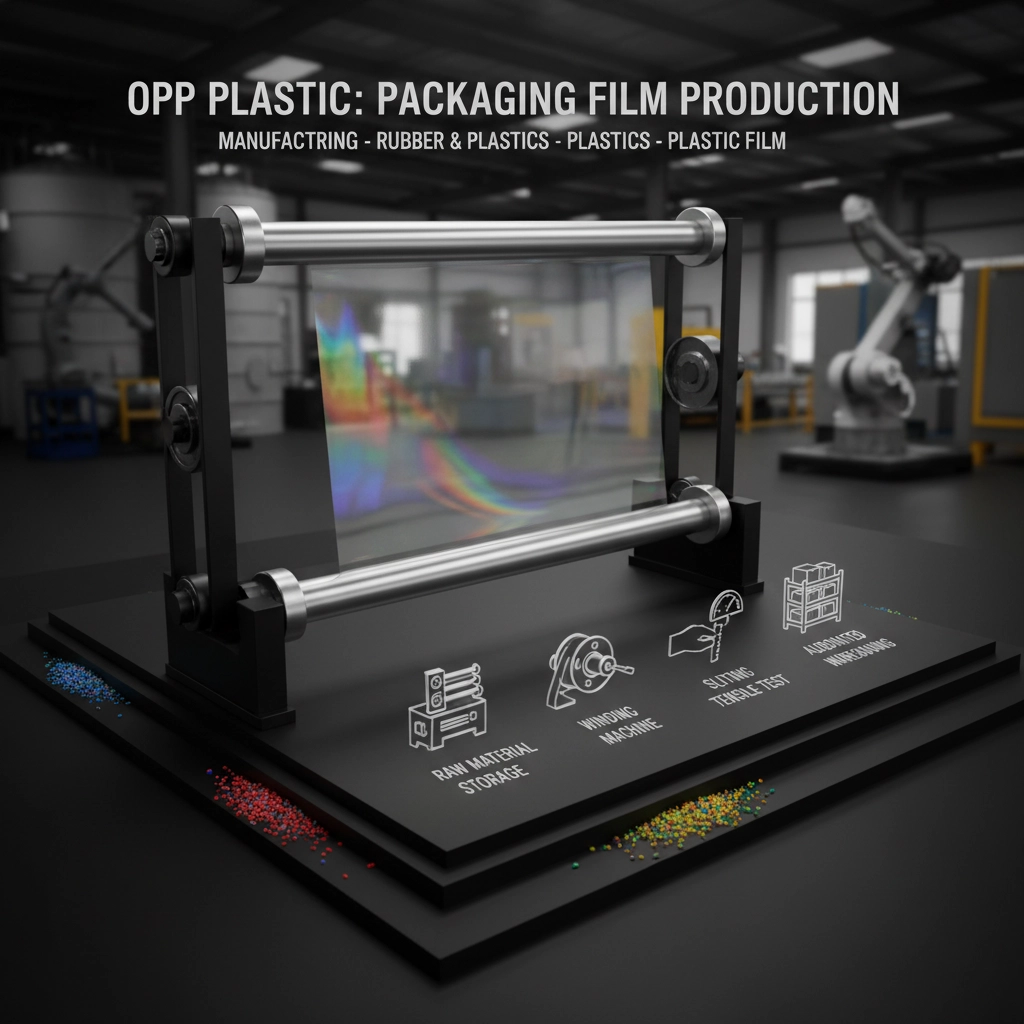
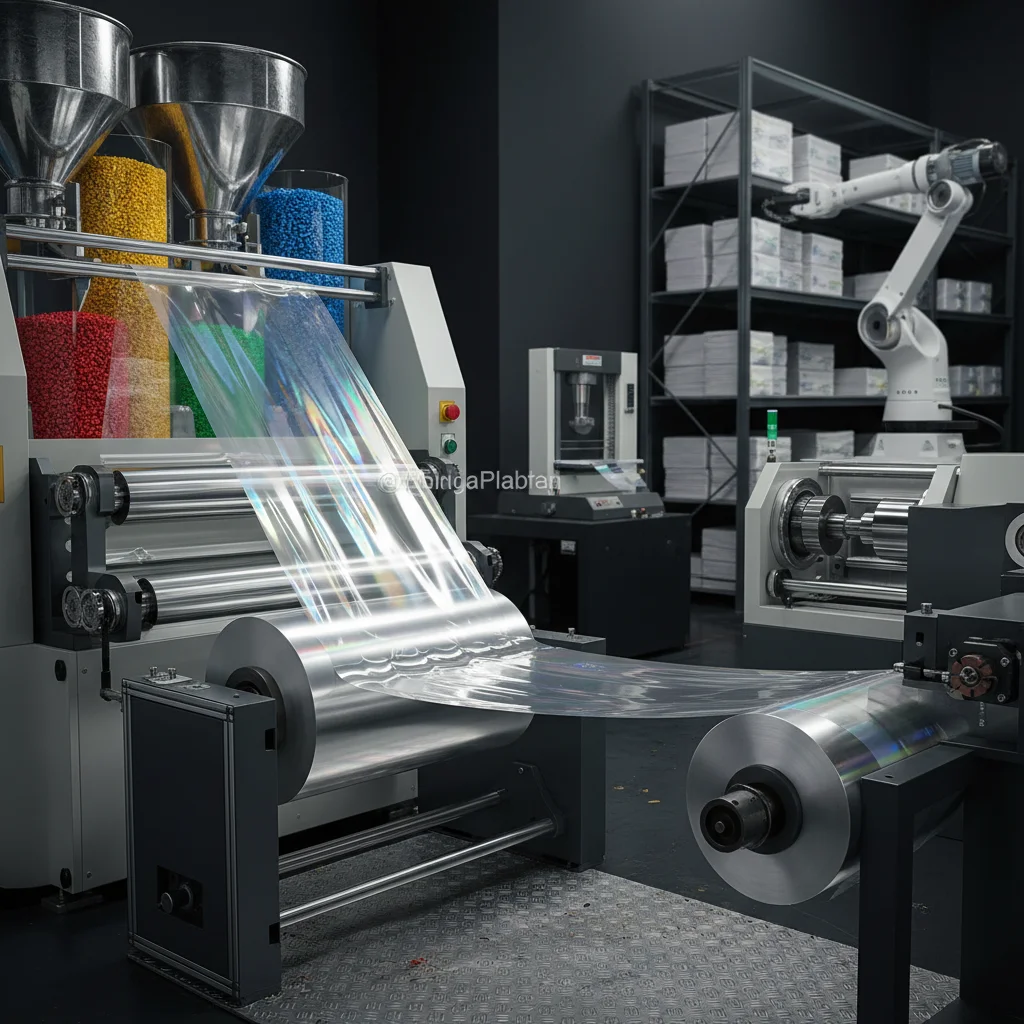
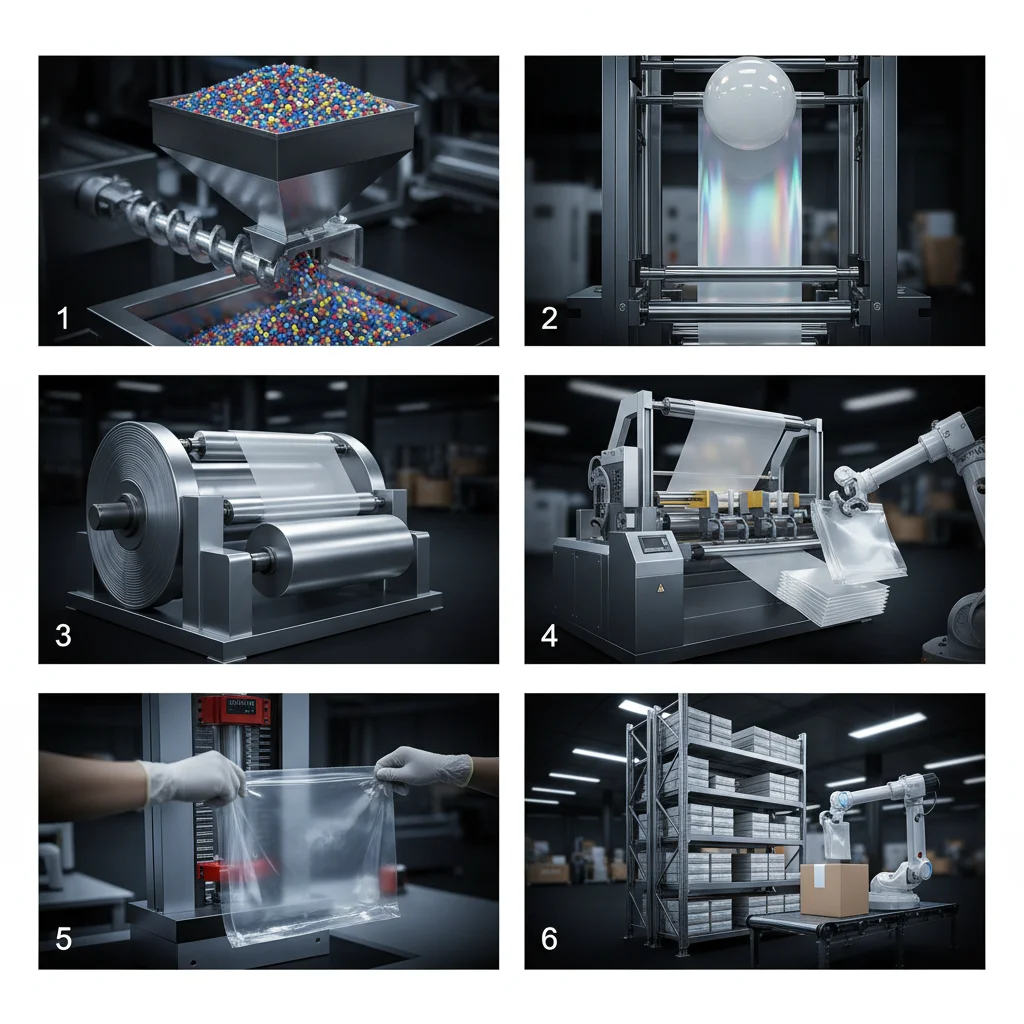
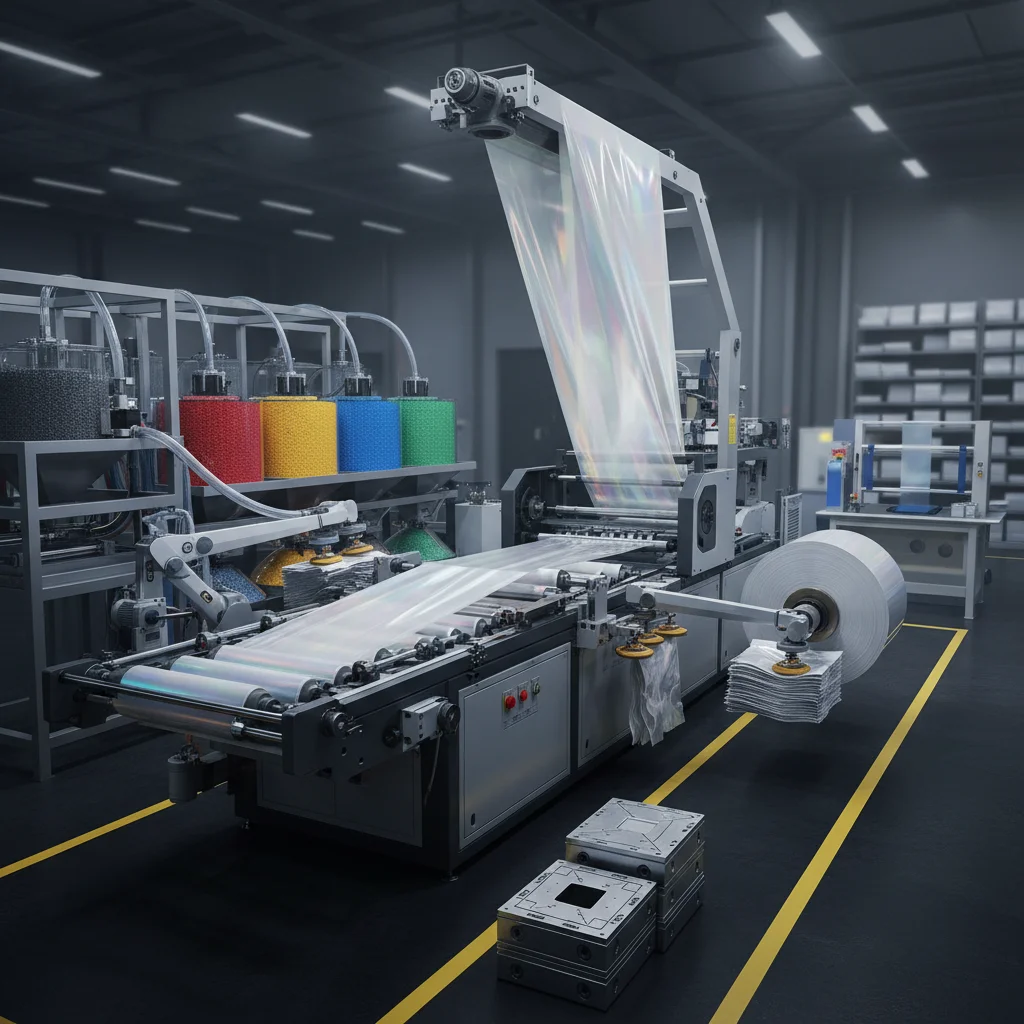
In the modern packaging landscape, opp plastic, or Oriented Polypropylene, has emerged as a cornerstone material for businesses seeking a balance between aesthetic clarity and structural integrity. Its unique molecular orientation provides a level of tensile strength and gloss that traditional plastics struggle to match, making it the gold standard for high-visibility retail packaging.
Understanding the technical nuances of opp plastic is essential for manufacturers and brand owners who aim to optimize their supply chains while reducing material waste. By leveraging its moisture-resistant properties and high transparency, companies can ensure that their products remain pristine from the factory floor to the end consumer's hands.
Globally, the shift toward more efficient and specialized packaging has pushed the boundaries of what this material can achieve. From the integration of biodegradable additives to the development of high-barrier films, the evolution of this polymer reflects the broader industrial trend toward performance-driven and sustainable material science.
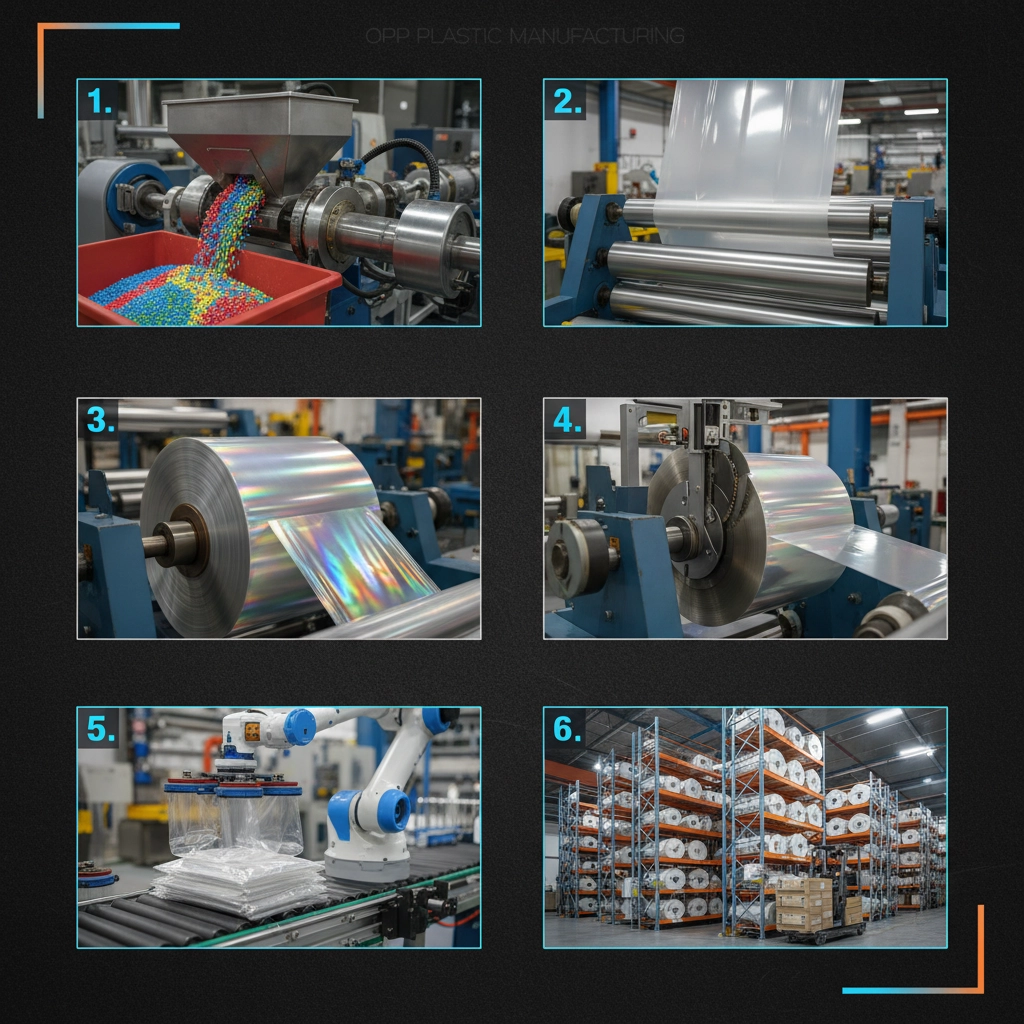
Global Relevance of OPP Plastic in Packaging
The global reliance on opp plastic has surged as e-commerce and retail markets expand across Asia and North America. According to industrial benchmarks, the demand for high-clarity films has grown steadily, driven by the need for protective barriers that do not obscure product branding. This material serves as a critical link in the global logistics chain, ensuring that consumer goods are shielded from dust and humidity.
However, the industry faces a significant challenge: balancing the high performance of these films with increasing regulatory pressure regarding plastic waste. As ISO standards evolve to emphasize circular economy principles, the role of this polymer is being redefined from a simple disposable wrap to a precision-engineered component of a sustainable packaging ecosystem.
Defining the Technical Nature of OPP Plastic
At its core, opp plastic stands for Biaxially Oriented Polypropylene. Unlike standard polypropylene, the "oriented" aspect refers to the process where the film is stretched in both the machine direction and the transverse direction. This mechanical stretching aligns the polymer chains, which drastically enhances the film's clarity, strength, and resistance to moisture.
In simple terms, this process transforms a cloudy, flexible plastic into a crisp, transparent, and rigid film. This technical transition is what allows it to be used in demanding environments where product visibility is non-negotiable, such as in the food industry for snacks or in the fashion industry for garment bags.
Connecting this to modern industrial needs, the material provides an essential balance of low density and high tensile strength. This allows manufacturers to use thinner films without sacrificing protection, effectively reducing the total volume of plastic used per unit while maintaining the professional appearance that consumers expect from premium brands.
Core Components of Material Performance
The primary factor driving the adoption of opp plastic is its exceptional optical clarity. For any business selling a visual product, the packaging acts as the first point of contact; a crystal-clear film ensures that the colors and quality of the internal product are showcased accurately, which directly influences purchase decisions.
Durability is another critical component, as the biaxial orientation gives opp plastic a high resistance to punctures and tears. This makes it an ideal choice for the "Packaging Bag" category, where bags must withstand the rigors of shipping and handling without splitting, ensuring the product remains secure.
Furthermore, the moisture barrier properties of this material are indispensable. By preventing water vapor from penetrating the packaging, opp plastic extends the shelf life of perishable goods and prevents oxidation in electronics, providing a cost-effective solution for long-term storage and international transport.
Industrial Applications and Use Cases
The versatility of opp plastic allows it to permeate various sectors. In the food and beverage industry, it is used extensively for candy and biscuit wrappers due to its ability to be heat-sealed and printed with high-resolution graphics. In the apparel sector, clear garment bags protect high-end clothing from dust during transit, maintaining the dignity and quality of the luxury item.
Beyond retail, these materials are used in industrial zones for bundling small hardware components or protecting sensitive documents. For instance, in remote industrial regions, water-resistant opp plastic sleeves are used to protect technical manuals and blueprints from harsh environmental conditions, ensuring critical information remains legible.
Performance Comparison of OPP Plastic Variants
Long-Term Value and Commercial Advantages
The commercial value of opp plastic lies in its ability to lower overall operational costs. Because it is lightweight, it reduces shipping expenses compared to heavier packaging alternatives. Simultaneously, its high transparency eliminates the need for expensive secondary labeling in many cases, as the product itself becomes the primary advertisement.
From a brand perspective, using a high-quality opp plastic bag builds trust with the consumer. A crisp, uncreased package suggests a level of care and professionalism in the manufacturing process, which translates to perceived product value and increased customer loyalty over the long term.
Future Trends and Sustainable Innovations
The future of opp plastic is being shaped by the "Green Revolution" in materials science. We are seeing a significant rise in the development of bio-based polypropylenes and the integration of compostable polymers. These innovations aim to retain the strength and clarity of traditional films while ensuring they break down more efficiently in industrial composting environments.
Digital transformation is also playing a role, with the introduction of "smart packaging." Manufacturers are now experimenting with integrating RFID tags and QR codes directly into the opp plastic film, allowing for real-time inventory tracking and interactive consumer experiences via smartphone scanning.
Automation in the production of these films is further reducing waste. Advanced extrusion technologies now allow for tighter gauge control, meaning bags can be made thinner and stronger than ever before. This "downgauging" trend directly contributes to sustainability by reducing the total amount of raw polymer required for the same level of protection.
Overcoming Implementation Challenges
One of the primary challenges associated with opp plastic is its limited heat-sealability compared to LDPE. To solve this, industry experts often utilize "cast OPP" or co-extrusion techniques, where a thin layer of a sealable polymer is added to the surface, combining the rigidity of BOPP with the ease of sealing.
Another hurdle is the public perception of plastics and the resulting regulatory restrictions. Companies are overcoming this by implementing robust "take-back" programs and investing in chemical recycling technologies that can return opp plastic to its original monomer form, enabling a truly closed-loop system.
Finally, achieving the perfect balance of gloss and anti-glare is often a struggle for photographers and high-end retailers. The solution lies in the application of matte-finish coatings, which provide a sophisticated, soft-touch feel while maintaining the protective barriers and strength inherent to the material.
Comparative Analysis of OPP Plastic Solutions for Packaging Bags
| Film Type |
Clarity Level |
Tensile Strength |
Sustainability Score |
| Standard BOPP |
Excellent |
High |
4/10 |
| Matte OPP |
Moderate |
High |
4/10 |
| Co-Extruded OPP |
Excellent |
Very High |
5/10 |
| Recycled OPP |
Good |
Moderate |
8/10 |
| Bio-based OPP |
Excellent |
High |
9/10 |
| Anti-Static OPP |
Excellent |
High |
4/10 |
FAQS
OPP plastic offers significantly higher clarity and a glossier finish than Polyethylene (PE). Because of the biaxial orientation process, it is also stiffer and has better moisture barrier properties, making it superior for display-oriented retail packaging bags where the product must be clearly visible and protected from humidity.
While technically recyclable as Polypropylene (Code 5), many municipal systems are not equipped to handle thin films. To ensure sustainability, it is recommended to use specialized industrial recycling programs or switch to bio-based OPP variants that are certified for industrial composting.
Yes, OPP is widely used for food packaging. It is chemically inert and provides an excellent barrier against moisture and oxygen. However, it is crucial to ensure that the specific film is certified as food-grade by relevant authorities (such as the FDA or EFSA) to ensure safety and compliance.
The orientation process stretches the polymer molecules in two directions, which aligns the crystalline structure. This results in a material that is much harder to tear or puncture than non-oriented plastics, allowing for thinner films to be used without risking the structural integrity of the packaging bag.
CPP (Cast Polypropylene) is not oriented, meaning it is softer, more flexible, and easier to heat-seal. OPP (Oriented Polypropylene) is stretched, making it clearer and stiffer. Often, the two are laminated together to create a bag that has the clarity of OPP and the sealability of CPP.
Static is a common issue with polypropylene. The most effective solution is to use "Anti-Static OPP," which contains specialized additives that dissipate electrical charges. This is especially important for packaging electronics or small parts that could be damaged by electrostatic discharge.
Conclusion
In summary, opp plastic remains an irreplaceable asset in the packaging industry due to its unmatched clarity, high tensile strength, and effective moisture barrier properties. By understanding the technical advantages of biaxial orientation and the variety of available finishes, businesses can significantly enhance their product presentation and logistical efficiency.
As we look toward a more sustainable future, the integration of bio-based materials and circular recycling models will ensure that this high-performance polymer continues to serve global trade without compromising environmental health. We encourage manufacturers to explore advanced film variants to stay competitive in an ever-evolving market. Visit our website: www.prosperplastics.com