When a customer first interacts with a product, the packaging serves as the primary tactile and visual handshake. For industries ranging from high-end cosmetics to precision electronics, the shift toward custom made plastic bags is no longer just about containment, but about strategic brand communication.
The challenge for modern retailers is balancing the need for crystal-clear visibility—which drives impulse purchases—with the structural integrity required to protect goods during transit. Standardized packaging often fails this balance, leading to either excessive material waste or insufficient protection against dust and moisture.
This analysis examines the technical transition from general-purpose polymers to specialized Oriented Polypropylene (OPP) solutions, exploring how precise customization affects both perceived value and operational efficiency.

The Mechanics of Oriented Polypropylene

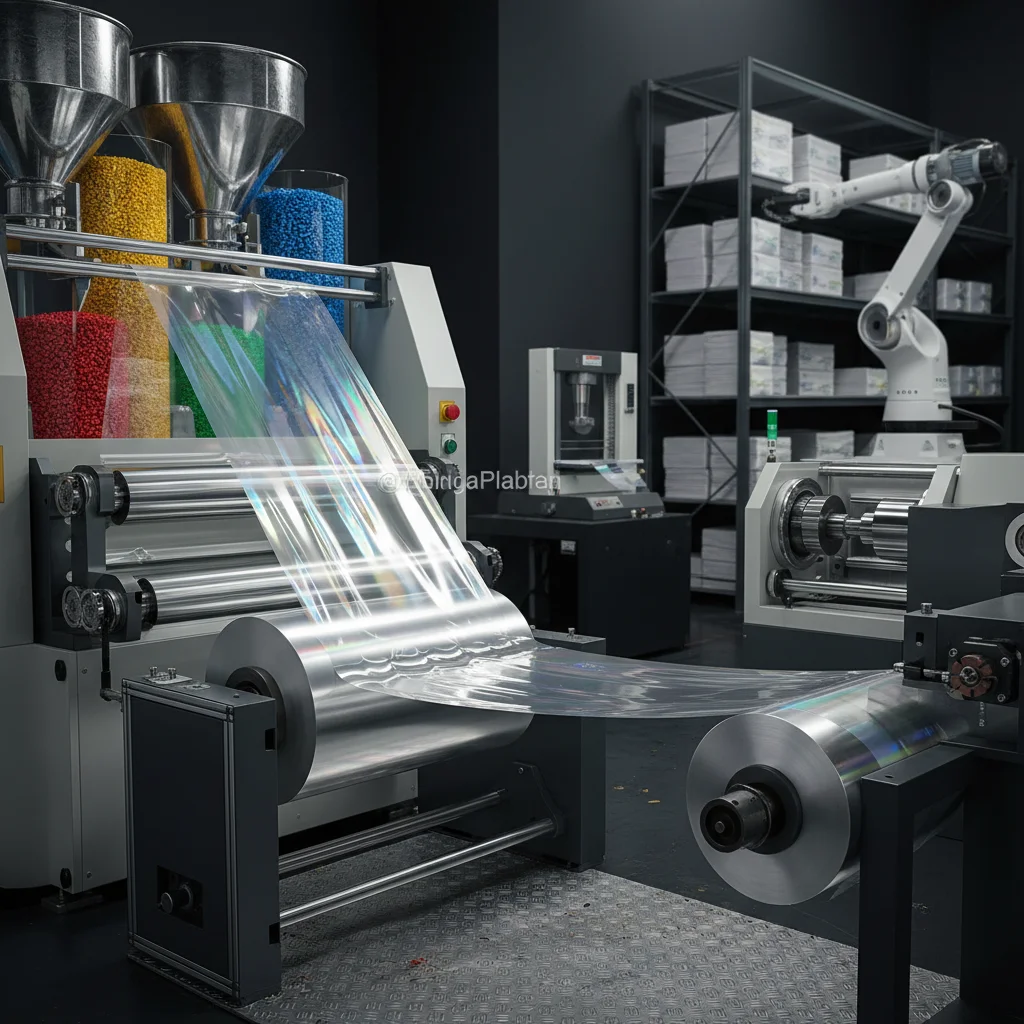
The "oriented" process is the defining technical characteristic of high-performance retail bags. By stretching the polypropylene film in specific directions during the extrusion process, the molecular structure is realigned. This alignment significantly increases the material's tensile strength and produces the signature crystal-clear transparency.
Unlike standard PE bags, which often appear cloudy or matte, oriented films allow for maximum light transmission. This ensures that the product inside is showcased with a glossy finish, reducing the need for customers to open the packaging to verify the item's quality, which in turn reduces product handling damage.
Technical Determinants of Bag Performance
When specifying custom made plastic bags, the selection of sealing mechanisms determines the end-user experience. Options range from open-mouth bags for bulk industrial use to heat-sealed edges for permanent security. However, the self-adhesive strip has become the gold standard for e-commerce due to its balance of speed and reliability.
Furthermore, structural details such as serrated edges and breathable holes address specific operational pain points. Breathable holes prevent the "ballooning" effect when packaging apparel or soft goods, ensuring the package remains flat for optimized shipping and storage. Serrated edges provide a controlled tear point, enhancing the unboxing experience.
From a durability standpoint, the high tensile strength of OPP prevents accidental punctures and tears during the logistics chain. This protection extends beyond physical impact, as the material acts as a barrier against dust, fingerprints, and light moisture, keeping the product in pristine condition until it reaches the consumer.
Optimizing the Retail Visual Experience
The psychological impact of packaging on perceived value is significant. A product encased in a crisp, rigid, and transparent bag is instinctively viewed as higher quality than one in a soft, cloudy sleeve. This visual clarity functions as a silent salesperson on the retail shelf.
High-definition custom logo printing on oriented films synchronizes corporate identity with product presentation, transforming a simple utility item into a brand asset that increases consumer trust.
Integrating these visual elements requires precision in the printing process to avoid smudging or misalignment. By utilizing integrated printing platforms, businesses can ensure a consistent look across various bag sizes and styles, from flat bags to hanging retail displays.
Operational Efficiency Metrics
Packaging speed is a critical KPI for high-volume fulfillment centers. The transition to "one tear, one stick" self-adhesive strips significantly reduces the labor time per unit compared to heat-sealing or zip-locking. This acceleration in the shipping workflow directly impacts the ability to meet same-day or next-day delivery windows.
Beyond speed, inventory control is optimized through precision sizing. Custom dimensions minimize the amount of wasted plastic and reduce the storage footprint in the warehouse, contributing to a leaner supply chain.
Figure 2. Packaging Efficiency Relative Assessment
Application Scenarios in Modern Commerce
In a typical retail setting, delicate jewelry and high-end cosmetics require a packaging medium that prevents contamination without obscuring the product. OPP bags provide a professional finish that elevates the perceived value of the item, making them ideal for luxury goods where presentation is paramount.
For apparel manufacturers, the ability to switch between flat and hanging bags allows for versatility in different retail display environments. Whether the item is stored in a warehouse or hung on a retail rack, the structural rigidity of the oriented film ensures the product maintains its shape and professional appearance.
Sustainability and Material Evolution
The plastic packaging industry is currently navigating a transition toward greater environmental accountability. While OPP is prized for its performance, the focus has shifted toward using recyclable materials and optimizing wall thickness to reduce the total volume of plastic per unit.
Innovation in biodegradable films is an emerging trend, aiming to replicate the clarity and strength of traditional polymers while offering a lower ecological footprint. This evolution is driven by changing consumer expectations, where sustainability is often weighed as heavily as product quality.
For manufacturers like Ningjin Xinrong Plastic Industry Co., Ltd., staying ahead of these trends involves investing in R&D to balance durability with eco-status. The goal is to provide packaging that serves the commercial needs of the brand while adhering to global environmental standards.
Material Selection Framework
Choosing between different plastic materials requires a trade-off analysis between visibility, flexibility, and sealing speed. While PE bags offer softness and flexibility, they lack the retail-ready gloss of OPP.
The decision framework should prioritize the end-use scenario. If the primary goal is industrial protection, PE may suffice. However, for retail and e-commerce, the professional finish of oriented polypropylene is generally the more effective investment for brand growth.
The following table provides a relative assessment of common packaging materials based on key retail performance metrics.
| Metric | Standard PE Bags | Premium OPP Bags | Bio-Degradable Film |
|---|---|---|---|
| Transparency | Cloudy / Matte | Crystal Clear | Semi-Transparent |
| Structural Feel | Soft / Flexible | Crisp / Rigid | Flexible |
| Sealing Speed | Slow (Heat/Zip) | Instant (Adhesive) | Variable |
| Retail Perception | Industrial / Basic | Professional / High-End | Eco-Conscious |
| Protection Level | Basic Moisture | Dust & Fingerprint | Moderate |
| Relative Cost | Low | Moderate | Higher |
Questions & Answers
The oriented process involves stretching the polypropylene film in specific directions during manufacturing. This mechanical stretching aligns the polymer chains, which enhances the material's tensile strength, increases clarity, and creates the characteristic crisp, rigid texture associated with professional retail bags.
The choice depends on your priority. Use PE bags if you need a soft, flexible, and cost-effective solution for industrial or basic protection. Choose OPP bags for retail or e-commerce where high transparency, a glossy finish, and professional presentation are required to increase the perceived value of the product.
Breathable holes allow air to be expelled from the bag during the packing process. This prevents the bag from bulging, which is especially critical for soft goods like clothing. It ensures a flat, neat appearance, optimizing the use of storage space and providing a more professional look during shipping.
Yes, high-definition custom logo printing is a standard customization option. This allows brands to sync their corporate identity across all packaging lines, improving brand recognition and professionalism. Options include various patterns and product information printed directly onto the film.
Some self-adhesive seals can be opened and reapplied a few times; however, the adhesive strength naturally decreases after each use. They are primarily designed for a secure initial seal to ensure product safety and hygiene from the manufacturer to the end consumer.
Small to medium items that rely on visual appeal benefit most, including jewelry, high-end cosmetics, stationery, and electronic accessories. These products require a packaging medium that shields them from contaminants while allowing the customer to inspect the details clearly without opening the package.
Final Thoughts
The strategic implementation of custom made plastic bags extends far beyond simple containment. By leveraging the technical properties of oriented polypropylene—such as superior clarity and tensile strength—businesses can significantly enhance their brand's perceived value while streamlining their operational workflows.
As the industry moves toward a more sustainable future, the focus will remain on balancing high-performance presentation with ecological responsibility. For any brand looking to elevate its retail presence, the transition to precision-engineered, customized packaging is a critical step in professionalizing the customer experience.