
Selecting the right flexible packaging is a critical decision for B2B enterprises looking to balance operational efficiency with brand presentation. In the competitive landscape of retail and industrial distribution, the ability to secure products while maintaining a professional image often depends on the specifications of the packaging material used. This article examines the technical requirements and procurement strategies for specialized polymer solutions tailored to diverse business needs.
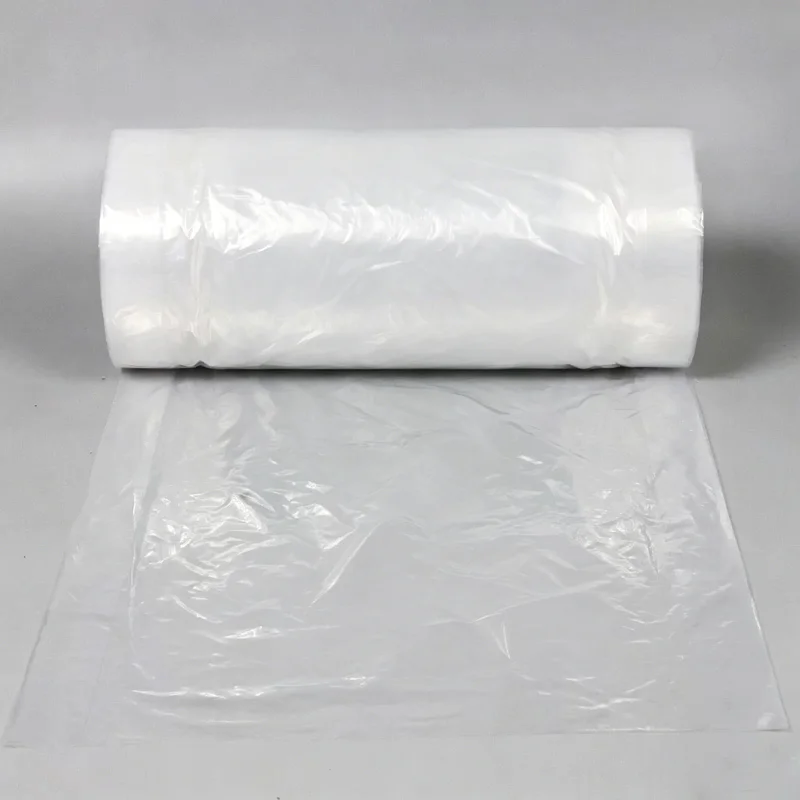
The shift toward integrated molding and continuous roll formats has revolutionized how businesses handle garment protection and food storage. By moving away from fixed-length options, companies can significantly reduce material waste and increase the volume of items packaged per roll. For businesses requiring custom plastic bags, understanding the interplay between material density, printing technology, and environmental regulations is essential for long-term cost-effectiveness.
Readers will gain a comprehensive understanding of the different polymer types available, including PE, PP, and biodegradable films. We will analyze the advantages of gravure printing for brand visibility and provide a structured framework for evaluating suppliers based on production capacity and quality management systems. The goal is to provide a technical foundation that empowers procurement officers to make data-driven decisions.
The Fundamentals of Industrial Plastic Packaging
Industrial plastic packaging relies on the science of polymer extrusion and blown film technology to create barriers that protect goods from external contaminants. The core objective is to isolate the product from dust, moisture, and oil fumes while ensuring structural integrity during transit. High-pressure and low-pressure polyethylene (PE) serve as the industry standards due to their versatility in thickness and clarity. For instance, low-pressure bags are typically preferred for their higher strength and transparency, making them ideal for clothing dust bags and professional dry-cleaning applications. The manufacturing process involves scientific quality management to ensure consistent gauge and seal strength across large-scale production runs, often exceeding 20 tons per day in professional facilities. This consistency is vital for businesses that utilize automated packaging machinery, where any variation in film thickness can lead to operational downtime or seal failure.
Strategic Selection Guide for Specialized Packaging
Choosing the optimal packaging solution requires a detailed analysis of the product's physical dimensions, the storage environment, and the intended brand exposure. The following sections break down the technical and commercial dimensions that influence the selection process.
Material Performance Comparison
Different polymers offer varying levels of protection and flexibility. Polyethylene (PE) is prized for its durability and moisture resistance, while Oriented Polypropylene (OPP) provides superior clarity and stiffness for retail display. Aluminum foil laminates are used when oxygen and light barriers are non-negotiable, particularly in food and pharmaceutical sectors. Understanding these trade-offs allows buyers to align material properties with the actual risks the product faces during its lifecycle.
| Material Type | Key Property | Primary Risk Mitigation | Best Use Case |
|---|---|---|---|
| LDPE/HDPE | High Flexibility | Moisture & Impact | Shopping & Industrial Bags |
| OPP | High Clarity | Dust & Visibility | Retail Clothing & Stationery |
| Aluminum Foil | Total Barrier | Light & Oxygen | Food Preservation |
| Biodegradable Film | Eco-decomposition | Environmental Impact | Sustainable Retail |
| PVC | Rigidity/Clarity | Physical Deformation | Heavy Duty Covers |
| Kraft Paper | Recyclability | Chemical Contamination | Eco-friendly Wrapping |
Continuous Roll vs. Pre-cut Bags
The transition to integrated molding rolls represents a significant efficiency gain. Unlike pre-cut point-break bags, continuous rolls allow operators to cut the film accurately to the length of the item—whether it is a 30cm shirt or a 150cm long coat. This adaptability eliminates material waste and can increase packaging capacity by 10% to 15% per roll. For high-volume operations, the reduction in waste directly correlates to lower procurement costs and a smaller environmental footprint.
Custom Branding and Gravure Printing
Packaging serves as a mobile advertisement. Utilizing gravure printing ensures that logos, contact details, and brand colors remain saturated and fade-resistant. This is particularly valuable for service-based businesses, such as dry cleaners, where the branded film stays with the customer, increasing visibility and brand recognition. Professional printing services allow for the integration of QR codes and business hours, transforming a simple protective layer into a marketing tool.
Environmental Compliance and Biodegradability
With tightening global regulations on single-use plastics, the adoption of semi-degradable and fully biodegradable bags is no longer optional for many markets. These materials are engineered to break down more rapidly than traditional PE, reducing long-term landfill impact. Businesses must evaluate the balance between the decomposition rate and the required shelf-life of the packaging to ensure that the bag does not degrade before the product reaches the end consumer.
Application Scenarios in Retail and Logistics
From PE self-adhesive bags for e-commerce to zipper bags for small components, the application dictates the design. In logistics, express bags must prioritize puncture resistance and seal strength to prevent tampering. In retail, the aesthetic appeal of a buckle handbag or a clear OPP bag is paramount. Matching the bag type to the specific logistical challenge ensures that the product arrives in pristine condition while optimizing the unpacking experience for the customer.
Quality Control and Durability Standards
Consistency in production is achieved through scientific quality management systems. Key metrics include seal integrity, tensile strength, and film uniformity. A professional manufacturer ensures that the pore-free surface of the membrane effectively isolates pet hair, oil fumes, and moisture. For B2B buyers, requesting samples and verifying the production capacity—such as the ability to handle 20 tons daily—is a reliable indicator of a supplier's ability to meet tight deadlines and maintain quality at scale.
Procurement Optimization for B2B Buyers
Optimizing procurement involves balancing order volume with unit price. Many professional manufacturers offer wholesale pricing even for smaller quantities to support growing businesses, while providing deeper discounts for large-scale orders. Buyers should focus on total cost of ownership, considering how features like integrated molding reduce waste and how high-quality printing reduces the need for secondary labeling. Evaluating the R&D capability of a supplier ensures that the packaging can evolve alongside product changes.
FAQ
What is the primary difference between integrated molding rolls and point-break bags?
Integrated molding rolls provide a continuous, smooth film surface without pre-set break points. This allows the user to cut the exact length needed for a specific item, which eliminates material waste and typically allows 10% to 15% more items to be packed per roll compared to fixed-length point-break bags.
Which printing method is best for long-term brand visibility on plastic packaging?
Gravure printing is highly recommended for professional B2B packaging. It produces saturated colors and clear handwriting that is resistant to fading, ensuring that brand logos and contact information remain legible throughout the shipping and handling process.
How do I choose between LDPE and OPP materials?
Choose LDPE (Low-Density Polyethylene) if you need flexibility, durability, and moisture resistance for items like shopping bags or industrial covers. Choose OPP (Oriented Polypropylene) if you require high transparency, a glossy finish, and stiffness, which is ideal for retail display packaging for clothing or stationery.
Are biodegradable plastic bags as durable as traditional PE bags?
Modern biodegradable films are engineered to provide comparable strength and protection to traditional PE. However, they have a defined lifecycle. It is important to match the degradation rate of the material with the expected storage time of the product to avoid premature weakening of the bag.
What should I look for when evaluating a professional packaging manufacturer?
Key indicators include the years of industry experience, the scale of the facility (e.g., acreage and daily production capacity), and the presence of a scientific quality management system. A strong R&D team capable of developing new materials, such as fully biodegradable options, also indicates a future-proof supplier.
Can custom printing be added to small wholesale orders?
Many professional manufacturers provide customization options for a variety of order sizes. While larger quantities offer more favorable pricing, the ability to customize logos and contact information is often available for wholesale quantities to help smaller businesses establish brand recognition.
References and further reading
- Polymer Engineering Standards for Blown Film Extrusion.
- Industrial Packaging Waste Reduction Guidelines.
- Global Biodegradable Plastic Regulations and Compliance Framework.