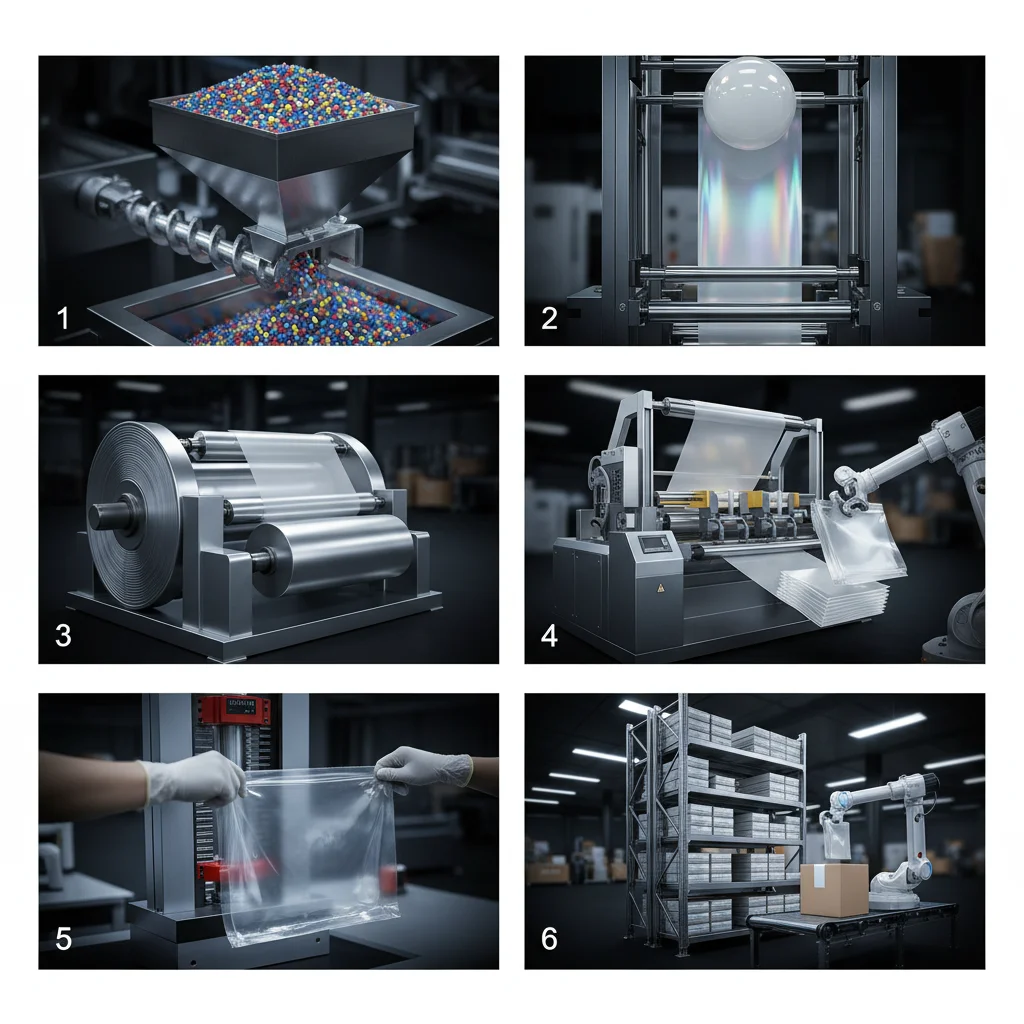
In the competitive landscape of modern packaging, the choice of material defines not only the safety of the product but also the perceived value of the brand. Polyethylene solutions, often discussed alongside options like opp cpp plastic, have become the gold standard for retail and e-commerce due to their incredible versatility and strength. Understanding the nuances of these materials allows businesses to optimize their supply chains while ensuring a professional presentation for their customers.
The global shift toward high-performance packaging is driven by the need for moisture resistance and durability in an era of rapid logistics. Whether it is the crinkly strength of HDPE or the glossy, premium feel of LDPE, the right choice in plastic films ensures that merchandise arrives intact regardless of environmental stressors. This evolution in material science is transforming how groceries, clothing, and promotional items are delivered worldwide.
For enterprises seeking to balance cost-efficiency with high-end branding, implementing a strategic packaging approach is essential. By integrating features such as horizontal stable standing bottoms and high-definition customizable printing, companies can transition from generic bagging to a professional identity. Exploring the capabilities of opp cpp plastic and PE alternatives provides the foundation for superior product protection and enhanced client retention.
Global Relevance of High-Performance Plastic Films
The global packaging industry is currently undergoing a massive transition toward materials that offer a higher strength-to-weight ratio. As e-commerce continues to expand, the demand for reliable films—similar to the properties found in opp cpp plastic—has surged, particularly in regions with high humidity where moisture-proofing is critical for product longevity.
Standardization through ISO guidelines has pushed manufacturers to refine the purity of HDPE and LDPE resins. This ensures that bulk packaging can withstand the rigors of international shipping and "last-mile" delivery without failing, reducing waste and improving the overall customer experience in the retail sector.
Defining the Role of PE and opp cpp plastic
In the broadest sense, plastic films like opp cpp plastic and Polyethylene (PE) are engineered polymers designed to provide a barrier between the product and the environment. While PE is prized for its flexibility and impact resistance, other films provide the high clarity and stiffness required for specific display purposes.
For the modern manufacturer, the distinction between material types is a matter of application. HDPE (High-Density Polyethylene) offers a crinkly texture and maximum tensile strength, making it ideal for heavy-duty grocery bags, while LDPE provides a softer, glossy finish that elevates the perceived value of boutique clothing and gifts.
The synergy between these materials allows businesses to create hybrid packaging solutions. By focusing on seamless seal integrity and load-bearing capacity, companies can ensure that their packaging is not just a container, but a protective shield against dust, rain, and contamination.
Core Components of Premium Tote Bags
The effectiveness of a professional tote bag depends on several engineering factors. First is the material integrity; using high-grade PE ensures the bag remains tear-resistant. When comparing this to the rigidity of opp cpp plastic, PE offers the flexibility needed for ergonomic handles and foldable storage.
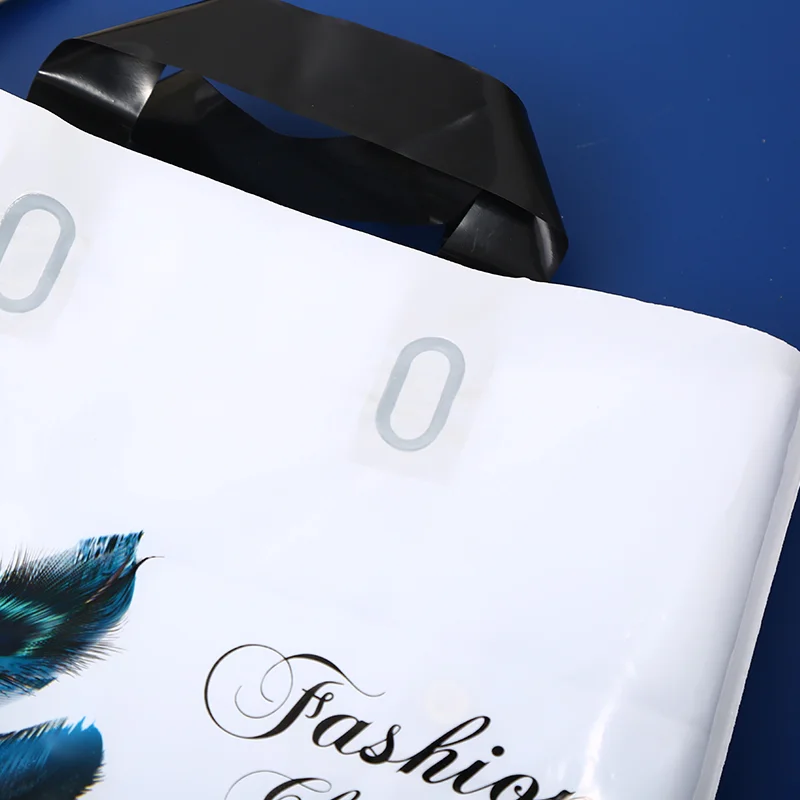
Another critical component is the "Stable Standing Bottom." Unlike standard flat bags, a widened bottom allows the bag to stand upright independently. This is a game-changer for retail displays, as it allows clothing or promotional items to be presented neatly without collapsing, mimicking the structured look of high-end opp cpp plastic packaging.
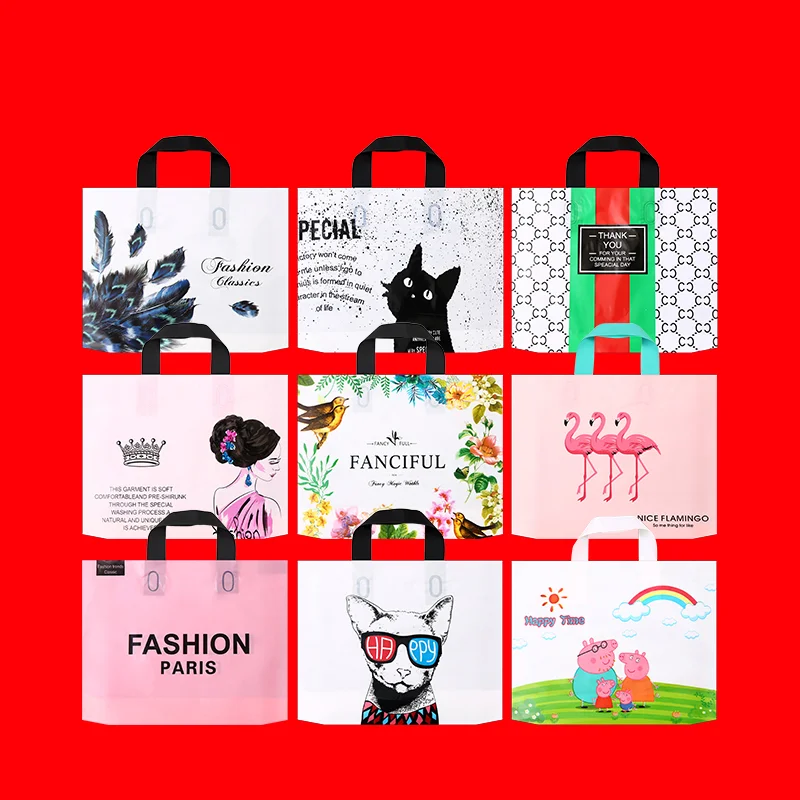
Finally, the customization capability is what transforms a utility item into a marketing tool. High-contrast logo printing on a smooth PE surface ensures brand visibility. This marriage of durability and aesthetics ensures that the packaging serves as a mobile billboard for the brand long after the customer has left the store.
Comparative Performance Analysis
When evaluating packaging materials, the primary metrics are load capacity, moisture resistance, and brand impact. Premium PE tote bags are specifically engineered to support weights between 3kg and 5kg in their thickened versions, providing a significant upgrade over generic single-use plastics.
While materials like opp cpp plastic are excellent for specific sealing needs, the reinforced handles and seamless membrane of premium PE bags offer a more reliable solution for heavy-duty retail use. The following data illustrates the performance rating across different packaging methods.
Packaging Material Performance Index
Global Applications in Retail and Logistics
In the realm of e-commerce, the use of high-grade plastic films is indispensable for protecting goods during transit. From high-fashion boutiques in Europe to rapid-delivery services in Asia, the ability to isolate contents from dust and moisture using seamless sealed membranes is a critical requirement for maintaining quality.
Moreover, in the food delivery sector, moisture-proof PE bags ensure that packaging remains dry even in rainy conditions. This level of reliability, combined with the cost-effectiveness of bulk pricing, makes these solutions far more practical for high-volume operations than more rigid opp cpp plastic alternatives.
Long-Term Value and Brand Perception
The shift from generic packaging to premium PE tote bags directly impacts client retention. When a customer receives a product in a bag that feels substantial, resists tearing, and features a vibrant logo, the perceived value of the product increases. This psychological trigger transforms a simple purchase into a professional brand experience.
From a logical standpoint, the reusable nature of thickened PE bags provides long-term value. Customers are more likely to keep and reuse a durable bag, extending the lifespan of the brand's advertising. This is a stark contrast to thinner films like basic opp cpp plastic which are often discarded immediately after use.
Ultimately, the investment in superior materials leads to a higher Marketing ROI. By reducing the failure rate of bags (from high in standard plastics to low in premium PE), businesses avoid the frustration of broken handles and spilled merchandise, thereby building a foundation of trust and reliability.
Future Trends in Sustainable Packaging
The future of the plastics industry is inextricably linked to sustainability. The move toward recyclable and reusable PE options is not just a trend but a regulatory necessity. Modern manufacturing is now focusing on resins that maintain the strength of opp cpp plastic while being fully compatible with global recycling streams.
Automation in the customization process is also accelerating. Digital printing tools now allow for shorter lead times and more complex designs, enabling brands to run limited-edition promotional campaigns with high-precision logos without the need for massive minimum order quantities.
As we move toward a circular economy, the focus will shift to "biodegradable-enhanced" polymers. These materials aim to provide the same moisture-proof and tear-resistant properties of traditional PE, ensuring that the convenience of plastic packaging does not come at the cost of environmental health.
Analysis of Packaging Material Value Propositions
| Material Type |
Durability Score |
Brand Impact |
Primary Use Case |
| Thickened PE |
9.5 |
High |
Premium Retail |
| Standard HDPE |
7.0 |
Medium |
Grocery/Supermarket |
| LDPE Glossy |
8.5 |
Very High |
Boutique Clothing |
| opp cpp plastic |
8.0 |
Medium |
Product Wrapping |
| Recyclable PE |
8.0 |
High (Eco-Value) |
Eco-friendly Brands |
| Generic Plastic |
4.0 |
Low |
Short-term Utility |
FAQS
HDPE (High-Density Polyethylene) is generally stronger and more crinkly, making it ideal for heavy loads like groceries. In contrast, LDPE (Low-Density Polyethylene) is softer, more flexible, and has a glossy finish, providing a more premium feel for high-end retail and clothing.
Yes, polyethylene is a widely recyclable plastic. We also offer specific reusable versions designed to reduce single-use waste and help businesses align with global environmental sustainability goals.
Absolutely. We offer a wide range of sizes from small to extra-large and provide professional high-definition printing services to ensure your brand logo and messages are clear, vibrant, and professional.
Our thickened versions are specifically engineered to bear weights between 3kg to 5kg without tearing, making them suitable for heavier items like books, clothing, or dense grocery shipments.
Yes, polyethylene is naturally water-resistant. The seamless seal of our bags effectively protects the contents from rain, spills, and moisture, ensuring product safety during transit.
They are highly versatile and ideal for the retail industry, supermarket groceries, food delivery services, promotional events, and general household organization.
Conclusion
Selecting the right packaging material is a strategic decision that balances durability, cost, and brand identity. From the high-tensile strength of HDPE to the premium aesthetics of LDPE and the specialized properties of opp cpp plastic, the available options allow businesses to tailor their packaging to their specific market needs. By prioritizing features like stable standing bottoms and moisture-proof seals, companies can significantly reduce product failure and enhance the customer's unboxing experience.
Looking forward, the integration of sustainable materials and automated customization will continue to redefine the industry. We encourage businesses to move away from generic packaging and invest in high-grade PE solutions that offer both environmental compliance and superior brand visibility. Upgrading your packaging is not just a logistical change—it is an investment in your brand's long-term reputation and client loyalty. Visit our website: www.prosperplastics.com