Understanding the concept of high-capacity plastic packing is essential for businesses and individuals looking to optimize their storage and logistics. While many search for the opp bag packing meaning, it is important to distinguish between different material types and their specific commercial applications to ensure the right tool is used for the job.
In the modern manufacturing landscape, the demand for durable, large-scale packaging has surged due to the rise of e-commerce and global relocation trends. The shift toward high-density polyethylene (HDPE) solutions reflects a need for materials that combine strength with versatility, allowing for the secure transport of everything from seasonal bedding to industrial supplies.
Whether you are managing a warehouse or organizing a home, knowing the technical specifications of your packaging—such as load-bearing capacity and tear resistance—is key to efficiency. By exploring the opp bag packing meaning and its alternatives, users can make informed decisions that reduce waste and protect their valuable assets.
The Core Concept of Large Scale Plastic Packaging
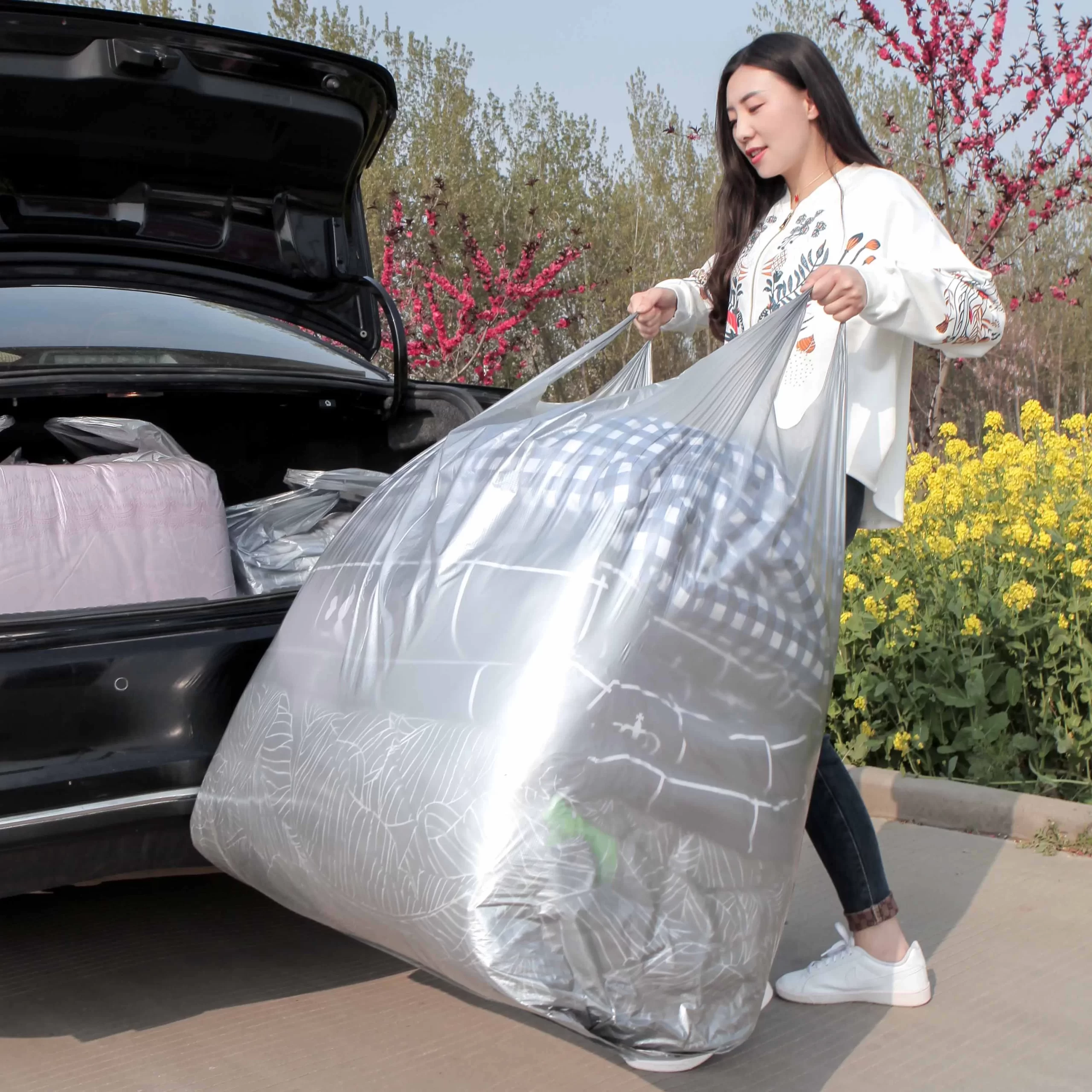
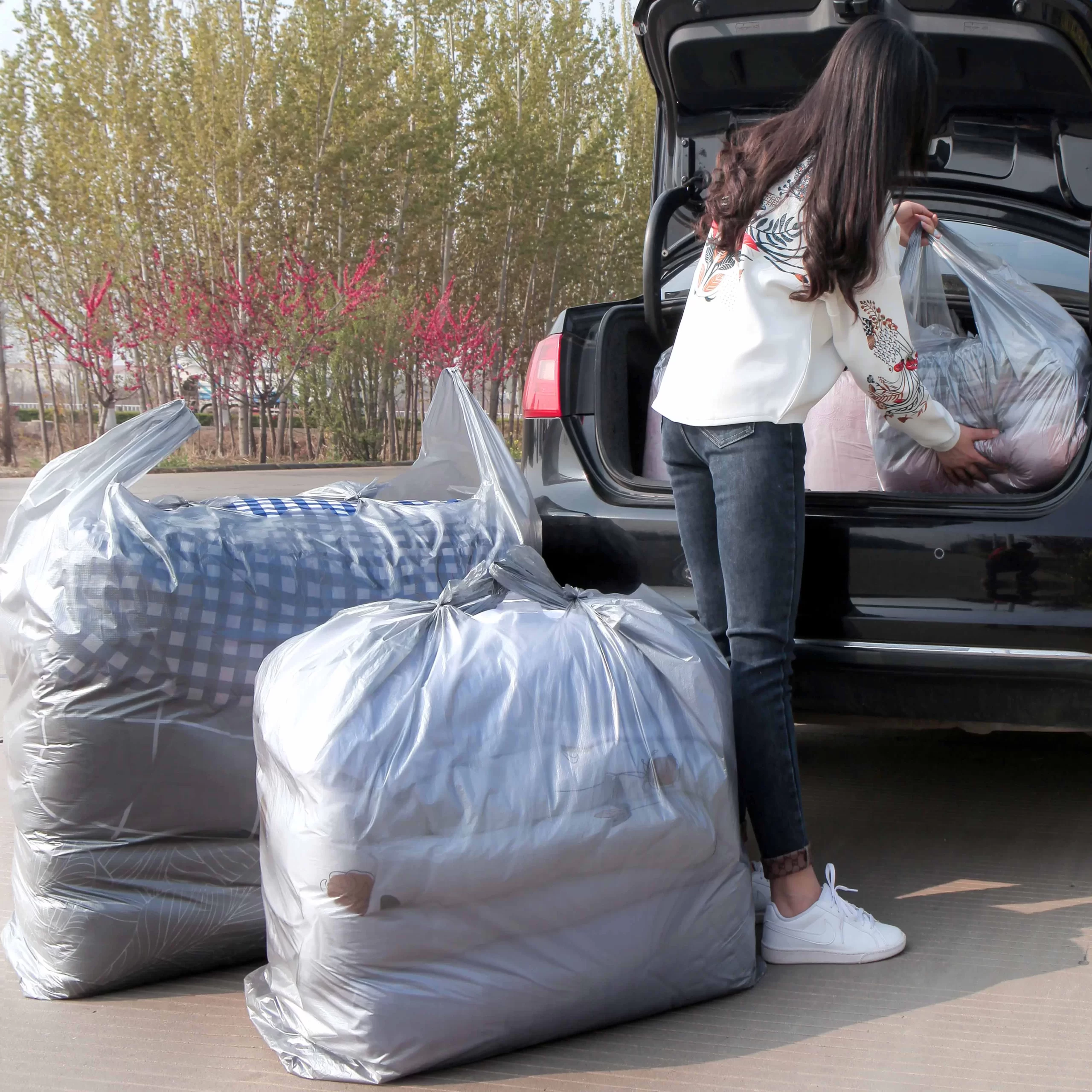
When discussing the practical application of large-scale packing, we often look at the utility of "magic tools" for moving and organization. These extra-large storage bags are designed to handle bulky items like bedding, clothing, and books, transforming a chaotic moving process into a streamlined operation through maximized volume and structural integrity.
Unlike standard retail bags, these industrial-grade solutions focus on volume and load-bearing capacity. By understanding the functional requirements of high-capacity storage, businesses can better appreciate why specific materials like thickened HDPE are chosen over thinner films to prevent punctures and tears during transit.
Material Science and HDPE Durability
The effectiveness of a heavy-duty storage bag depends entirely on its molecular composition. High-Density Polyethylene (HDPE) is the gold standard for these products because it offers a superior strength-to-density ratio. This ensures that the bag can withstand significant tension without stretching or breaking, which is critical when transporting 25kg of materials.
Durability is further enhanced through the thickening of the plastic film. By increasing the micron count—typically ranging from 30 to 60 microns—manufacturers can create a barrier that is highly resistant to punctures. This is especially important for items with sharp edges or when bags are stacked in tight moving trucks.
Moreover, the flexibility of HDPE allows these bags to be foldable and space-efficient when not in use. This duality of being "strong yet lightweight" makes them an indispensable asset for both home organization and industrial-scale distribution networks.
Privacy and Design in Commercial Packing
Design choices in packaging extend beyond simple strength; they also encompass the psychological and security needs of the user. While many are familiar with the opp bag packing meaning in terms of transparency, industrial storage often requires opaque designs to ensure privacy.
The use of opaque gray materials is a strategic choice for property management and sanitation services. By obscuring the contents, these bags protect the privacy of personal items during relocation or disposal, offering a professional and discreet solution that transparent bags cannot provide.
Complementing this is the "vest style" handle design. This sleeveless shape, resembling a tank top, provides an ergonomic grip that distributes weight evenly across the hand and wrist, making the transport of heavy loads significantly more manageable for the user.
Capacity Metrics for Heavy Duty Vest Bags
Quantifying the capacity of a bag is vital for logistics planning. A standard 25kg extra-large vest bag is engineered to hold substantial bulk, often measuring between 70–80 cm in width and 100–110 cm in length. These dimensions are calibrated to accommodate everything from agricultural produce to bulk retail textiles.
To further increase volume, many of these bags incorporate side gussets. These expandable folds allow the bag to broaden by an additional 10–20 cm per side, enabling the storage of awkwardly shaped or highly voluminous items without compromising the structural integrity of the handles.
Performance Metrics of Various Packing Solutions
Global Applications for Extra Large Storage
In the agricultural sector, these high-capacity bags are essential for the distribution of rice, grains, and fresh produce. Their moisture-resistant properties ensure that goods remain dry and uncontaminated during transport from rural farms to urban wholesale markets, maintaining food quality across long distances.
Beyond agriculture, these bags are critical in the hospitality and residential sectors for seasonal storage. By utilizing extra-large bags for winter coats and comforters, users can maximize closet space and protect textiles from dust and insects, extending the lifespan of their household goods.
Customization and Branding Opportunities
Packaging is not just about utility; it is a powerful marketing tool. Many businesses leverage the surface area of extra-large vest bags to print logos, brand names, and promotional slogans. This transforms a simple carrying tool into a mobile advertisement that increases brand visibility in public spaces.
Customization options extend to the material itself, where companies can choose specific colors or thickness levels to align with their brand identity or the specific weight of their products. This level of tailoring ensures that the packaging is as functional as it is visually appealing.
For high-end retail or specialized industrial supplies, customized printing can also include barcodes, QR codes, or handling instructions. This integration of digital information onto the physical bag streamlines the inventory management process and enhances the user experience.
Future Trends in Sustainable Plastic Manufacturing
The industry is currently undergoing a massive transition toward sustainability. There is an increasing move toward producing vest bags from recyclable materials or biodegradable plastics to mitigate the environmental impact of single-use plastics. This shift is driven by both consumer demand and stricter global environmental regulations.
Another trend is the development of "reinforced reusable" bags. By increasing the thickness and adding reinforced stitching to handles, manufacturers are creating bags that can be used hundreds of times rather than once. This reduces the total volume of plastic waste entering landfills and oceans.
Looking ahead, the integration of smart materials—such as antimicrobial coatings for clothing storage or UV-resistant films for agricultural use—will further enhance the value proposition of large-scale plastic packing.
Comparison of Industrial Storage Bag Specifications
| Bag Type |
Primary Material |
Max Load Capacity |
Typical Use Case |
| Heavy-Duty Vest Bag |
HDPE |
25 kg |
Bulk Grain/Retail |
| Clothing Storage Bag |
PEVA/Plastic |
10-15 kg |
Seasonal Textiles |
| Industrial Liner |
LDPE |
20 kg |
Waste Management |
| Eco-Friendly Tote |
Recycled HDPE |
15 kg |
Sustainable Retail |
| Privacy Packing Bag |
Opaque HDPE |
20 kg |
Property Management |
| Moving "Magic" Bag |
Thickened PE |
25 kg |
Household Relocation |
FAQS
HDPE (High-Density Polyethylene) is generally stronger, more rigid, and has a higher load-bearing capacity, making it ideal for heavy-duty vest bags. LDPE (Low-Density Polyethylene) is more flexible and transparent, which is better for smaller, lighter items or bags that require more stretch.
Check the micron thickness of the plastic film; bags supporting 25kg usually have a thickness between 30 and 60 microns. Additionally, look for reinforced vest-style handles and the use of HDPE material, which provides the necessary tensile strength to prevent the handles from snapping under heavy weight.
It depends on the use case. Transparent bags are excellent for quickly identifying contents without opening them. However, opaque bags are superior for privacy, such as when transporting personal clothing or using bags for professional sanitation and property management services.
Yes, high-quality HDPE bags are partially reusable. Because of their thickened material and tear resistance, they can be used multiple times for storage or moving. To maximize lifespan, avoid placing extremely sharp objects inside and store them in a cool, dry place when not in use.
Businesses can provide their brand assets (logos/slogans) to the manufacturer, who then uses industrial printing presses to apply the design to the bag's surface. You can typically customize the color of the plastic, the thickness of the film, and the specific dimensions to fit your product.
Many manufacturers are now offering biodegradable plastics (PLA) or bags made from Post-Consumer Recycled (PCR) resins. These materials break down faster in the environment or reduce the need for virgin plastic production, helping businesses meet their ESG (Environmental, Social, and Governance) goals.
Conclusion
In summary, the selection of large-scale packaging—from heavy-duty HDPE vest bags to specialized clothing storage—is a balance of material science, ergonomic design, and functional requirements. By focusing on key metrics like micron thickness, load capacity, and opacity, users can effectively protect their items while optimizing space and logistics. The evolution of these tools from simple plastic films to high-capacity "magic tools" for moving highlights the ongoing innovation in the plastics industry.
As we move toward a more sustainable future, the integration of recyclable materials and reinforced designs will redefine the industry. For businesses and consumers alike, investing in high-quality, durable packaging not only ensures the safety of goods but also reduces long-term waste. To find the perfect packaging solution for your specific needs, visit our website: www.prosperplastics.com