In the fast-paced world of modern commerce, the demand for high-clarity, durable, and cost-effective packaging has led to the widespread adoption of opp bag packaging. Oriented Polypropylene (OPP) is a thermoplastic polymer that has revolutionized how consumer goods are presented, providing an unmatched combination of transparency and tensile strength. From the electronics industry to the food and beverage sector, these bags ensure that products remain pristine and visually appealing from the factory floor to the end consumer.
Understanding the nuances of opp bag packaging is essential for brands looking to optimize their supply chain and improve shelf presence. Unlike standard polyethylene bags, OPP's molecular orientation grants it superior stiffness and moisture resistance, making it an ideal barrier against external contaminants. This technical advantage allows manufacturers to reduce material thickness without compromising the structural integrity of the package, aligning with global trends toward resource efficiency.
Globally, the shift toward specialized plastic films is driven by the need for higher hygiene standards and more efficient logistics. By integrating opp bag packaging into their strategy, companies can significantly reduce product spoilage and enhance the perceived value of their brand through crystal-clear visibility. This guide explores the technical components, diverse applications, and the evolving sustainable landscape of this critical packaging medium.
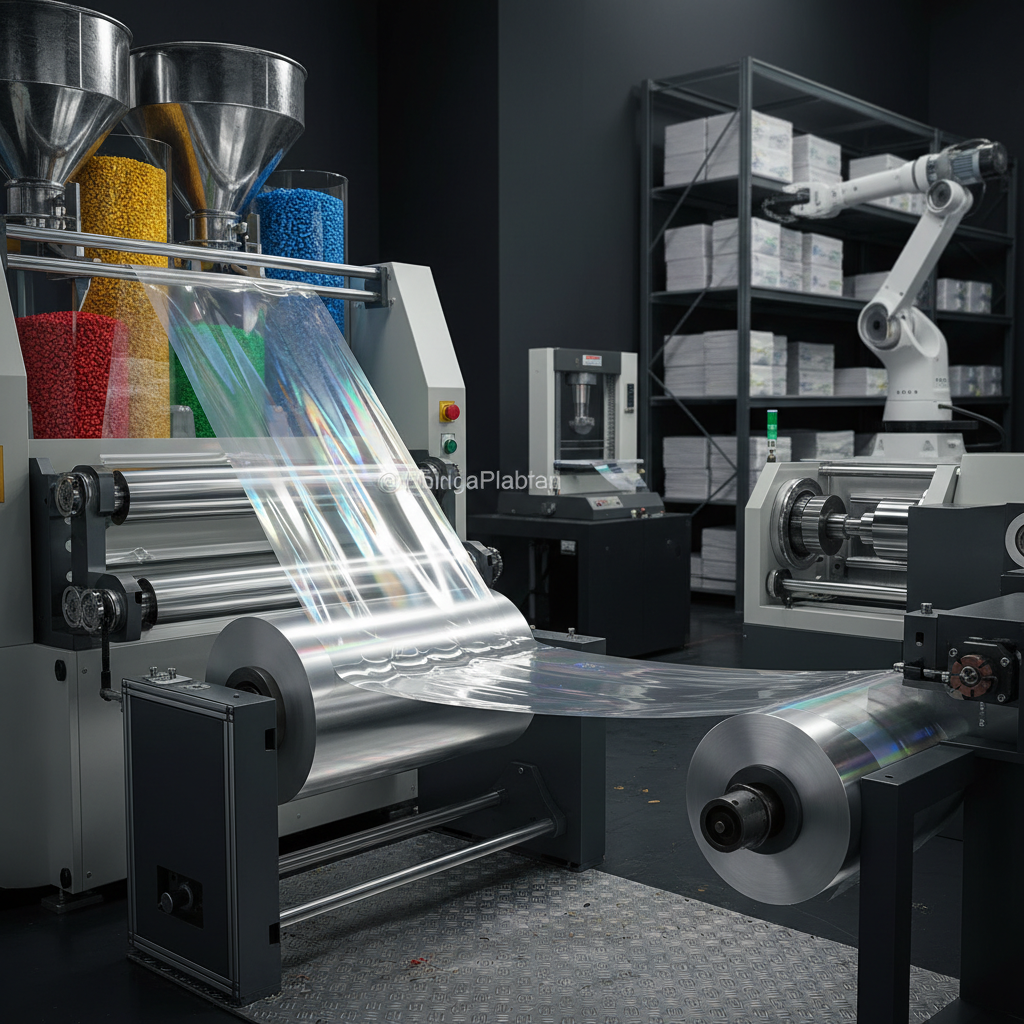
Global Industry Context of OPP Bag Packaging
The global packaging market has seen a dramatic surge in the utilization of opp bag packaging, driven by the expansion of e-commerce and the strict hygiene regulations mandated by ISO and other international standards. As supply chains become more complex, the need for lightweight yet puncture-resistant materials has become a priority for manufacturers in Asia and North America. Statistics suggest that the move toward oriented films has significantly reduced the weight of secondary packaging, thereby lowering carbon emissions associated with logistics.
However, the industry faces a persistent challenge: balancing the exceptional clarity and protection of OPP with the growing global mandate for plastic waste reduction. This tension has pushed the industry toward developing "circular" oriented films that maintain their industrial properties while being more compatible with advanced recycling streams.
Technical Definition and Industrial Meaning
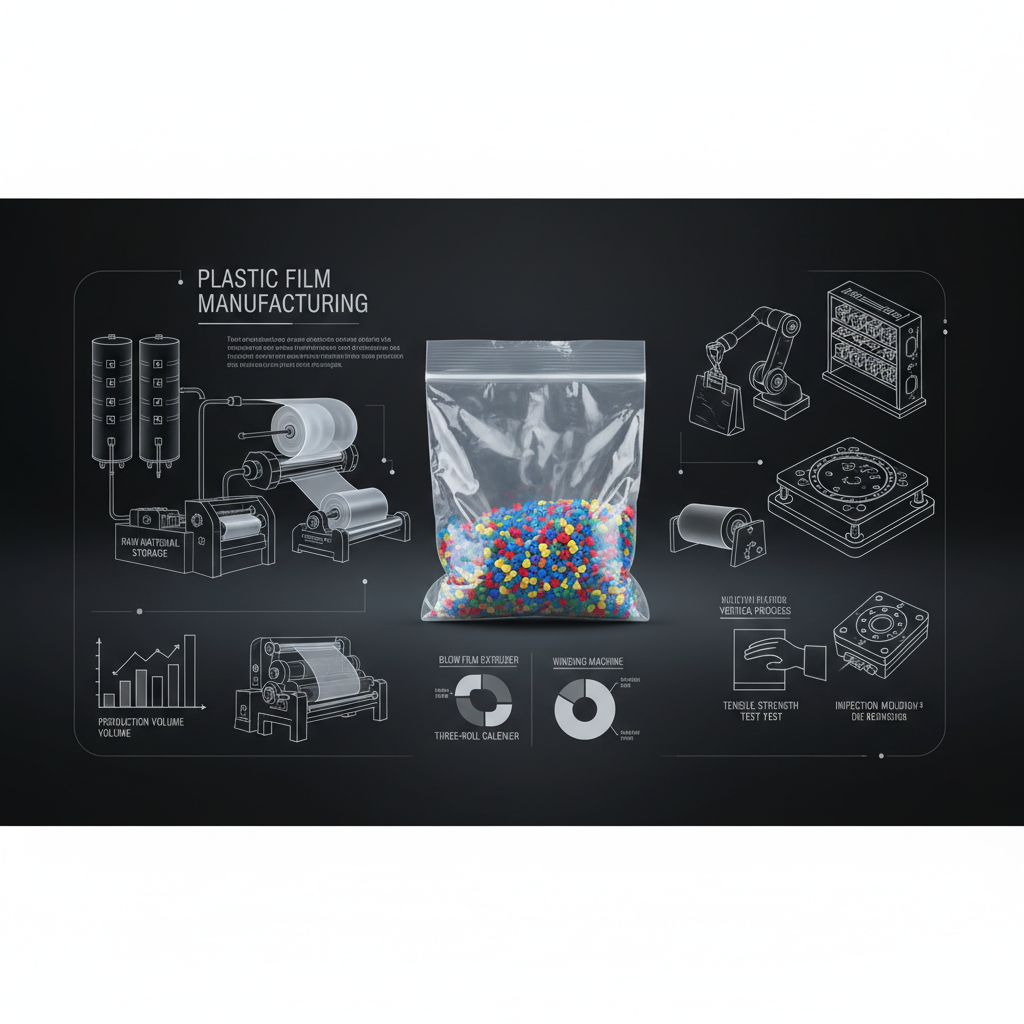
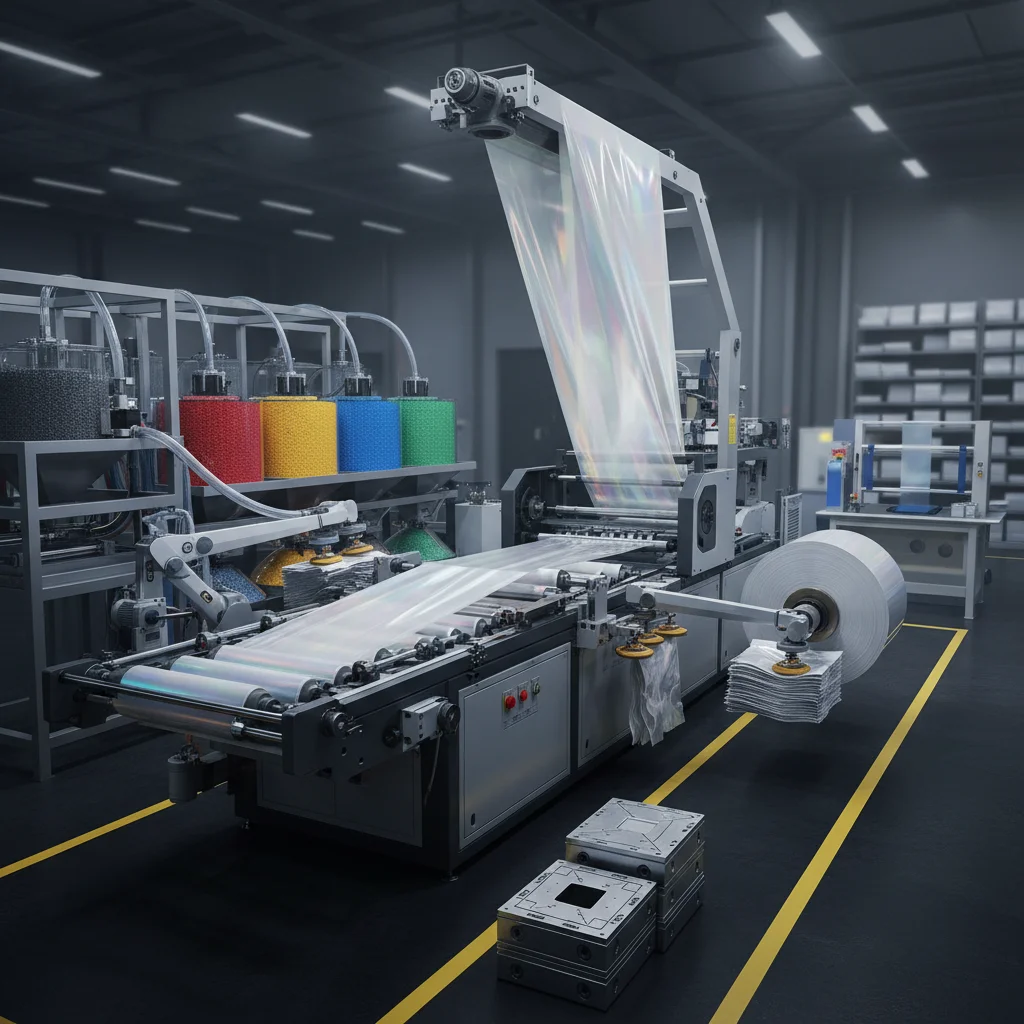
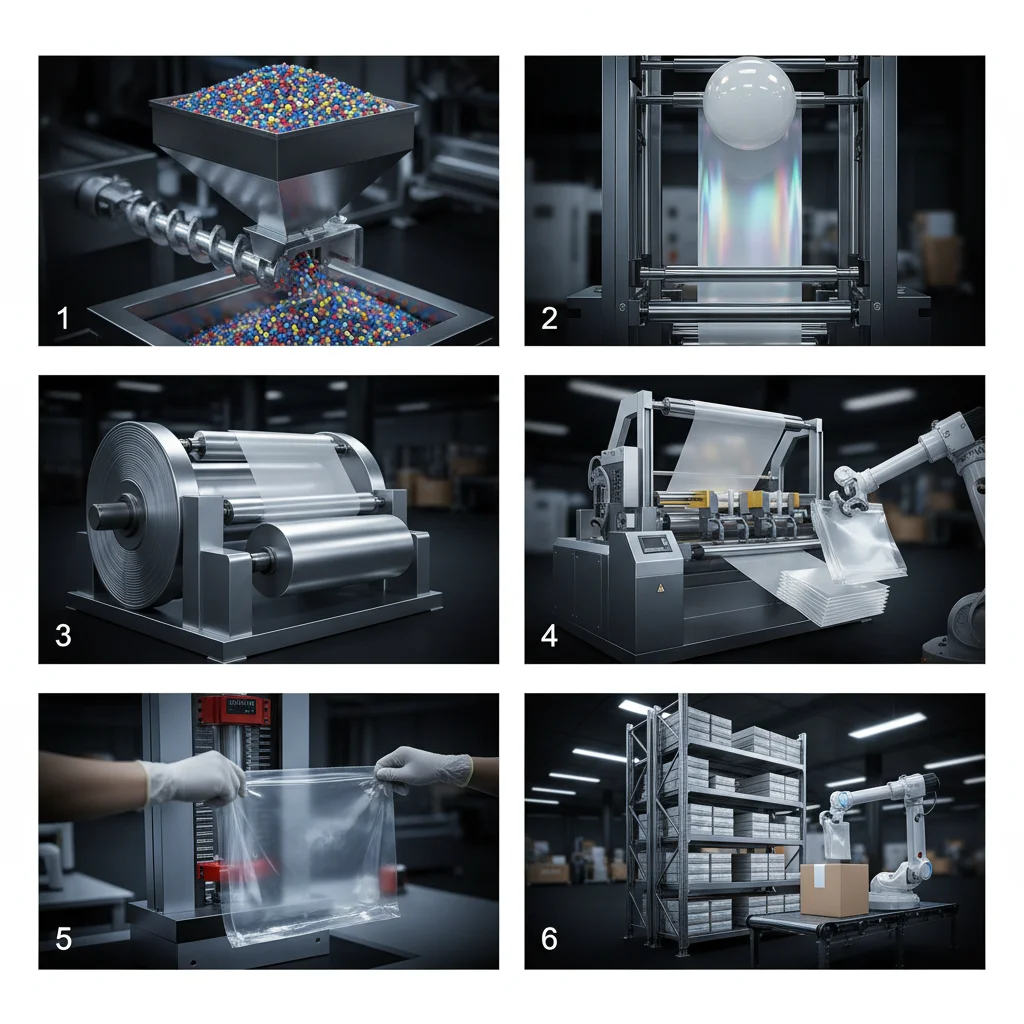
At its core, opp bag packaging refers to bags made from Biaxially Oriented Polypropylene. This means the plastic is stretched in two directions during the manufacturing process, which aligns the polymer chains and dramatically increases the film's strength, stiffness, and transparency. This process transforms a simple plastic sheet into a high-performance barrier that is far more resistant to tearing than non-oriented films.
In an industrial context, this packaging serves as more than just a container; it is a critical layer of product protection. Whether it is protecting a garment from dust or keeping a pharmaceutical component sterile, the "meaning" of OPP in modern manufacturing is the assurance of quality and the preservation of the product's original state.
Furthermore, the versatility of opp bag packaging allows for various finishes, including matte, glossy, and anti-static coatings. This adaptability ensures that the packaging can meet specific humanitarian or industrial needs, such as anti-static bags for sensitive electronic components in high-tech manufacturing zones.
Core Components of High-Performance Packaging
The effectiveness of opp bag packaging is rooted in its material science, specifically its high tensile strength. This ensures that the bags do not stretch or deform under the weight of the product, maintaining a professional appearance on the retail shelf.
Optical clarity is another core component of opp bag packaging. By allowing the consumer to see the product clearly without removing the packaging, brands can leverage the visual appeal of their goods to drive impulse purchases while maintaining a hygienic seal.
Moisture and gas barrier properties are the final critical factors. These prevent oxidation and humidity from affecting the product, which is particularly vital for food-grade opp bag packaging used in the snack and confectionery industries.
Comparative Efficiency of OPP Bag Methods
When analyzing the efficiency of opp bag packaging, it is important to compare different manufacturing methods such as self-adhesive sealing versus heat-sealing. Each method offers a different balance of speed, security, and cost, depending on the volume of production and the nature of the product being packed.
The following data illustrates the performance ratings of various opp bag packaging variations across key industrial metrics, highlighting where specific types excel in terms of durability and cost-efficiency.
Performance Metrics of Various OPP Bag Packaging Types
Global Applications and Real-World Use Cases
In the fashion and textile industry, opp bag packaging is the gold standard for protecting garments during transit. By preventing dust accumulation and moisture ingress, these bags ensure that high-end apparel arrives at luxury boutiques in pristine condition, maintaining the brand's prestige and reducing returns due to damage.
Beyond retail, we see critical applications in industrial zones where precision parts must be kept free from contamination. In these environments, specialized opp bag packaging with treated surfaces prevents static buildup, protecting delicate circuitry in the semiconductor industry and ensuring the reliability of electronic components.
Long-Term Value and Brand Reliability
The long-term value of investing in high-quality opp bag packaging extends beyond simple containment; it is about building trust. When a customer receives a product that is perfectly presented and untouched by external elements, it reinforces the manufacturer's commitment to quality and attention to detail.
From a financial perspective, the cost-efficiency of OPP is unmatched. Because the material is so strong, manufacturers can use thinner films (gauge reduction) without risking punctures. This results in lower material costs and reduced shipping weights, directly impacting the bottom line while maintaining a premium look and feel.
Ultimately, the reliability of opp bag packaging provides peace of mind. Whether it is a small business shipping handmade crafts or a multinational corporation moving millions of units, the consistency of BOPP films ensures that the protection level remains uniform across the entire product line.
Future Trends and Sustainable Innovations
The future of opp bag packaging is being reshaped by the "Green Revolution." The industry is moving toward the integration of bio-based polymers and compostable additives that break down the polypropylene structure more quickly in landfill conditions, reducing the long-term environmental footprint of plastic films.
Digital transformation is also playing a role, with the introduction of "smart packaging." We are seeing the integration of QR codes and RFID tags directly onto opp bag packaging, allowing for real-time inventory tracking and providing consumers with instant access to product authenticity and sustainability data.
As automation in warehouses increases, the design of these bags is evolving to be more "machine-friendly." New perforation technologies and easy-tear notches are being standardized to allow automated robotic arms to process and pack products faster, further increasing the efficiency of the global supply chain.
Analysis of Sustainable and Technical Transitions in OPP Packaging
| Innovation Type |
Technical Impact |
Sustainability Score |
Market Adoption |
| Bio-Polypropylene |
Reduced Carbon Footprint |
9/10 |
Emerging |
| Recycled-Content OPP |
Circular Economy Loop |
8/10 |
Moderate |
| Ultra-Thin Gauge Film |
Lower Material Usage |
7/10 |
High |
| Compostable Additives |
Faster Degradation |
8/10 |
Moderate |
| Smart QR Integration |
Supply Chain Visibility |
6/10 |
High |
| Anti-Static Coating |
ESD Protection |
5/10 |
Specialized |
FAQS
The primary difference lies in the "Orientation." OPP (Oriented Polypropylene) is stretched during production, making it stiffer and clearer, which is ideal for retail display. CPP (Cast Polypropylene) is not oriented, making it softer, more flexible, and better for heat-sealing and heavy-duty applications where flexibility is required over clarity.
Yes, OPP is a type of polypropylene (Plastic #5), which is technically recyclable. However, the ability to recycle them depends on local municipal facilities. Many brands are now moving toward BOPP films that are designed for easier processing in industrial recycling centers to reduce environmental impact.
Absolutely. OPP is widely used in the food industry because of its excellent moisture barrier properties and transparency. It is commonly used for candies, biscuits, and baked goods to keep them fresh and visually appealing while preventing contamination from the environment.
Thickness (measured in microns or gauge) depends on the weight and sharpness of your product. For lightweight items like stationery or jewelry, a thinner gauge is sufficient. For heavier electronics or bulkier textiles, a thicker film is recommended to prevent punctures and ensure the bag doesn't tear during transit.
Self-adhesive OPP bags feature a peel-and-seal strip along the opening. This allows for rapid packaging without the need for heat-sealing equipment, making them a favorite for small businesses, e-commerce sellers, and artisan crafters who need a professional look with minimal equipment.
Standard clear OPP provides minimal UV protection. However, for products sensitive to light, manufacturers can add UV-inhibitors or specialized coatings to the film. This prevents the product from fading or degrading when exposed to sunlight on retail shelves.
Conclusion
In summary, opp bag packaging stands as a cornerstone of modern industrial packaging, offering an unmatched blend of clarity, strength, and cost-efficiency. From protecting high-end garments to safeguarding sensitive electronics and food products, the technical properties of Biaxially Oriented Polypropylene ensure that goods reach their destination in perfect condition while maximizing shelf appeal.
Looking ahead, the integration of sustainable bio-polymers and smart tracking technology will further elevate the role of OPP in the global supply chain. For businesses aiming to balance operational efficiency with brand prestige and environmental responsibility, selecting the right oriented film is no longer just a logistical choice, but a strategic investment in quality. Visit our website: www.prosperplastics.com