Premium Custom Plastic Shopping Bags for Retail Brand Growth
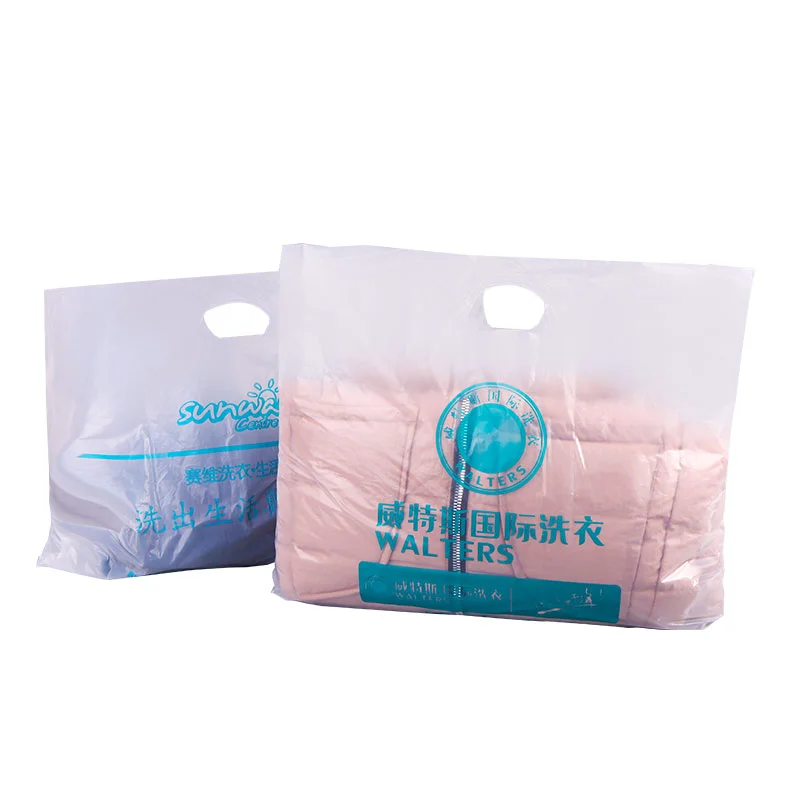
Selecting the right retail packaging is more than a logistical decision; it is a critical touchpoint for brand perception and customer experience. For businesses in the retail and e-commerce sectors, the transition from generic carriers to custom plastic shopping bags allows for a strategic blend of utility and marketing. By utilizing high-grade polyethylene (PE), companies can ensure that their packaging not only protects the merchandise but also serves as a mobile advertisement for their brand.
Ningjin Xinrong Plastic Industry Co., Ltd. leverages over 20 years of blown film printing and bag manufacturing expertise to deliver high-performance PE tote solutions. Whether the goal is to provide a premium, soft-touch feel via Low-Density Polyethylene (LDPE) or maximum tensile strength through High-Density Polyethylene (HDPE), the technical configuration must match the specific load requirements and environmental conditions of the target market. This guide examines the technical specifications and procurement considerations for high-quality PE carrier solutions.

Understanding Polyethylene Material Dynamics for Retail Packaging
The performance of a carrier bag is fundamentally determined by its resin composition. In the professional manufacturing of PE totes, two primary materials dominate: HDPE and LDPE. High-Density Polyethylene is characterized by its linear structure, which results in higher crystallinity and superior strength-to-density ratios. This makes HDPE the ideal choice for heavy-duty retail applications where tear resistance and load-bearing capacity are paramount.
Conversely, Low-Density Polyethylene features a more branched molecular structure, providing a glossy finish and a softer, more flexible tactile experience. This "premium feel" is often sought after by clothing boutiques and high-end gift shops to enhance the perceived value of the product. Our production process allows for the precise calibration of these materials to meet specific client needs, ensuring that the final product maintains structural integrity while meeting aesthetic requirements.
Beyond the base material, the blowing and printing processes play a vital role. Professional blown film printing ensures that brand messaging remains vibrant and high-contrast, preventing the ink from cracking or peeling during the stretching and folding of the bag. For businesses seeking custom plastic shopping bags, the synergy between material choice and print quality is what defines the final professional presentation.

Key Engineering Features for Enhanced Product Protection
A truly professional packaging solution must address more than just weight; it must mitigate environmental risks. The seamless sealed membrane utilized in our PE tote bags creates a formidable barrier against moisture and dust. This is particularly crucial for food delivery and clothing retail, where contamination or rain exposure could compromise the integrity of the merchandise.
One of the standout engineering features is the horizontal stable standing bottom. Unlike traditional flat bags that collapse when emptied, a widened bottom design allows the bag to stand upright. This structural advantage is highly valued in e-commerce and gift packaging, as it simplifies the packing process for staff and provides a more organized presentation for the end consumer.
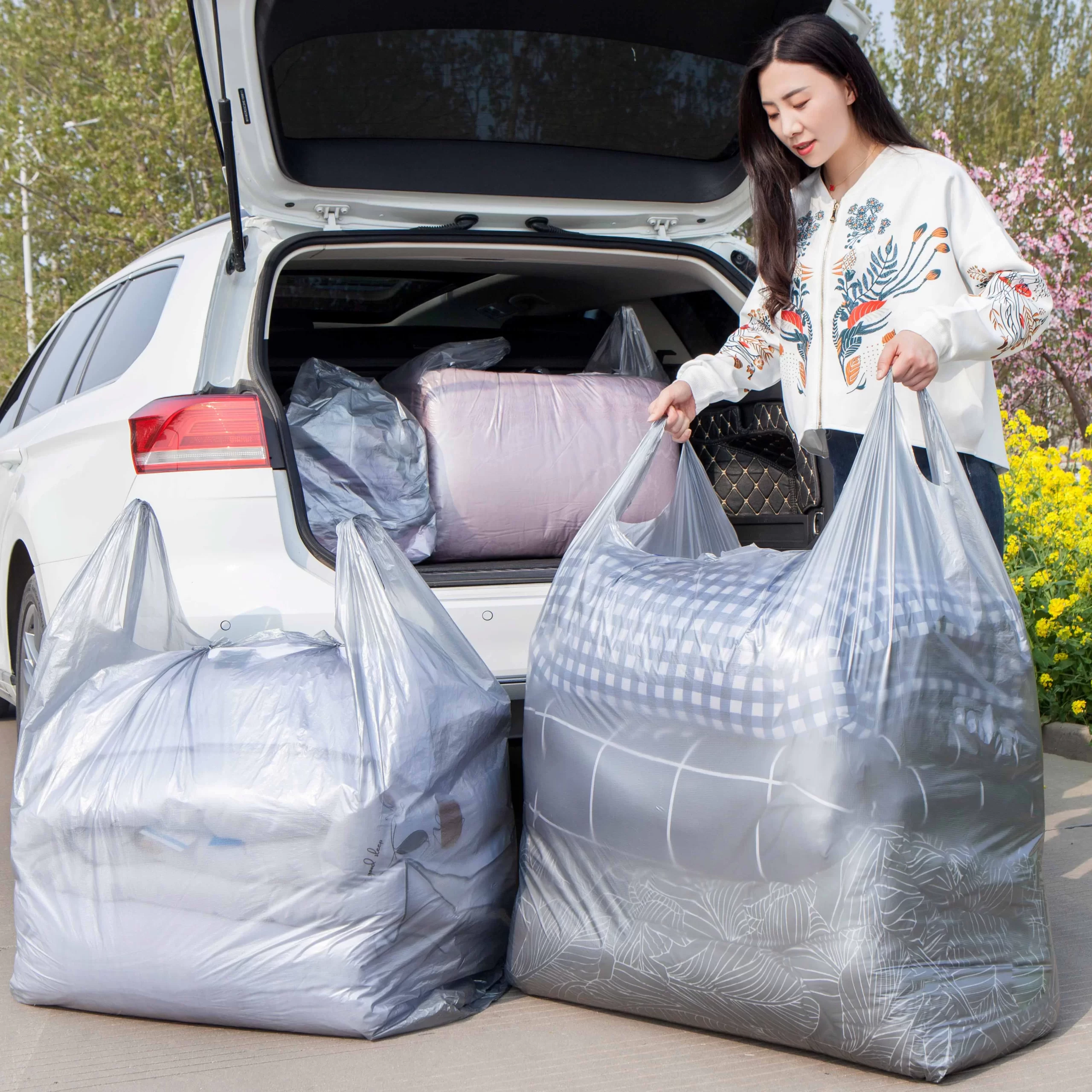
Durability is further reinforced through ergonomic dual-handle designs and thickened PE material. By optimizing the seal strength at the handle attachment points, these bags can comfortably support weights between 3kg and 5kg without the risk of failure. This focus on load-bearing reliability reduces the failure rate during transit, thereby increasing client retention by preventing embarrassing packaging breaks during the customer's journey.
Strategic Application Scenarios and Procurement Logic
Different industries require different packaging logic. For supermarket and grocery operations, the focus is on HDPE's strength and cost-effectiveness. In these high-volume environments, a lightweight but tear-resistant material ensures that bulky items are transported safely while keeping operational costs low. The moisture-proof nature of PE also makes these bags suitable for frozen or chilled goods that may develop condensation.
In the fashion and apparel industry, the logic shifts toward brand visibility and aesthetics. The smooth surface of LDPE is optimized for high-definition logo printing, turning every bag into a marketing asset. Clothing dust bags and boutique totes utilize a more refined finish to align with the luxury positioning of the garments they carry. The foldable, space-saving nature of these PE solutions ensures they do not occupy excessive storage space in retail back-rooms.
For promotional events and giveaways, the priority is often a balance between durability and economy. Businesses can choose specific thicknesses based on the weight of the promotional items. Because PE is widely recyclable, companies can align their packaging strategy with sustainability goals by offering reusable versions, thereby adding functional value to the customer and reducing single-use waste.
PE Material and Performance Comparison Matrix
| Comparison Factor | HDPE Carrier Bags | LDPE Tote Bags | Premium Thickened PE | Biodegradable Options |
|---|---|---|---|---|
| Tactile Feel | Crinkly / Firm | Soft / Glossy | Substantial / Durable | Variable / Matte |
| Load Capacity | Medium to High | Low to Medium | High (3-5kg) | Medium |
| Brand Presentation | Standard / Utility | Premium / High-End | Professional / Robust | Eco-Conscious / Modern |
| Moisture Resistance | High | High | Excellent (Sealed) | Moderate |
| Typical Use Case | Groceries / Pharmacy | Boutiques / Gifts | E-commerce / Heavy Retail | Eco-Retail / Events |
Manufacturing Quality Control and Supplier Evaluation
When sourcing PE packaging, the reliability of the manufacturer's quality management system is the most significant risk mitigator. A professional factory, such as Ningjin Xinrong Plastic Industry Co., Ltd., employs a scientific approach to quality assurance, encompassing every stage from resin sourcing to final shipment. Rigorous testing for load-bearing capacity and seal integrity ensures that the bags do not fail under pressure.
Potential buyers should evaluate suppliers based on their R&D capabilities. The ability to innovate—such as developing fully biodegradable materials or enhancing the durability of reinforced handles—indicates a supplier that can grow with the client's needs. A powerful R&D team allows for "commissioned development," where the bag's thickness, size, and material blend are engineered specifically for the client's product dimensions and weight.
Furthermore, production capacity and delivery timeliness are critical for maintaining an uninterrupted supply chain. With a daily production capacity exceeding 20 tons, the ability to handle both small-batch wholesale and large-scale foreign orders ensures that businesses can scale their operations without facing packaging shortages. Consistent quality across batches is achieved by using premium resins and maintaining strict control over the blown film temperature and pressure.
Future Trends in Sustainable Polymer Packaging
The plastic packaging industry is undergoing a significant shift toward sustainability. The demand for semi-degradable and fully biodegradable bags is rising as global regulations on single-use plastics tighten. Modern manufacturing is focusing on polymers that maintain the strength and water resistance of traditional PE while allowing for a faster breakdown in composting environments.
Beyond biodegradability, the trend toward "circular economy" packaging encourages the design of bags that are intentionally durable enough for multiple reuses. By increasing the thickness and reinforcing the handles, a bag moves from being a disposable item to a reusable asset for the consumer, which significantly increases the duration of brand exposure for the retailer.
Technological advancements in printing are also reducing the environmental footprint. The move toward eco-friendly inks and more efficient blown film processes reduces waste during production. For procurement managers, the goal is now to find a balance between cost, performance, and environmental compliance, ensuring that the packaging solution supports both the business's bottom line and its corporate social responsibility targets.
Frequently Asked Questions About PE Retail Packaging
What is the main difference between HDPE and LDPE in PE tote bags?
HDPE (High-Density Polyethylene) is generally stronger and more crinkly, making it ideal for heavy loads and utility use. LDPE (Low-Density Polyethylene) is softer, more flexible, and has a glossy finish, providing a more premium feel suitable for high-end retail.
Are these PE plastic tote bags recyclable?
Yes, polyethylene is a widely recyclable plastic. We also offer reusable versions and biodegradable options designed to reduce single-use waste and align with environmental sustainability goals.
Can I customize the size and print my own logo on the bags?
Absolutely. We offer a wide range of sizes from small to extra-large and provide professional high-definition printing services to ensure your brand logo and messages are clear and vibrant.
How much weight can a thickened PE tote bag actually hold?
Our thickened versions are specifically engineered to bear weights between 3kg to 5kg without tearing, making them suitable for groceries, books, and clothing.
Do these bags provide protection against rain and spills?
Yes, polyethylene is naturally water-resistant. The seamless seal of our bags effectively protects the contents from rain, spills, and moisture, ensuring product safety.
What industries are best suited for PE plastic tote bags?
They are highly versatile and ideal for the retail industry, supermarket groceries, food delivery services, promotional events, and household organization.
Technical References and Industry Sources
- Polyethylene Material Properties and Applications
- Plastics Industry Association - Standards and Guidelines
- ISO Standards for Plastic Packaging Quality Management
- EPA Guidelines on Plastic Recycling and Waste Reduction
Whether you are looking to enhance your brand's professional image or optimize your logistics for durability and cost, choosing the right PE packaging is a strategic investment. Contact our technical team today to discuss your specific requirements and receive a customized development proposal.
Related Articles