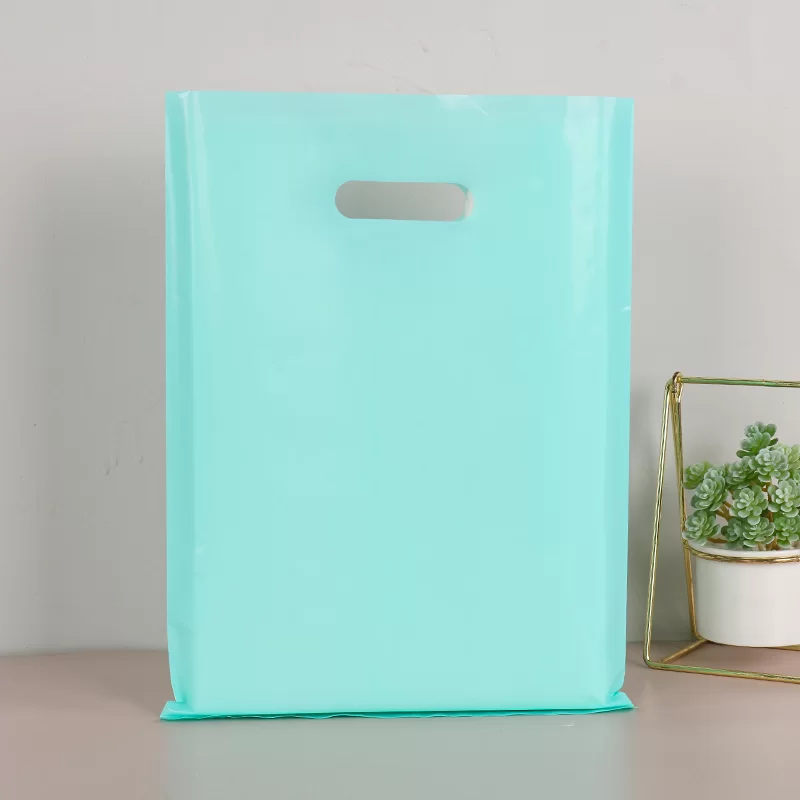
Premium Custom Plastic Bags for Business Garment Care
Maintaining the pristine condition of high-value apparel during transport and storage is a critical operational challenge for garment care providers. Professional dry cleaning covers act as a vital protective shield, preventing dust, moisture, and environmental pollutants from compromising freshly pressed suits, coats, and delicate dresses. By implementing a strategic approach to garment packaging, businesses can ensure that their clients receive clothing in a crisp, ready-to-wear state, thereby enhancing perceived service quality.
For enterprises seeking custom plastic bags for business, the choice between material densities and customization options directly impacts brand professionalism. Whether utilizing high-performance HDPE for heavy winter wear or flexible LDPE for lightweight shirts, the right packaging solution serves as both a functional protector and a silent marketing ambassador. This guide explores the technical specifications and procurement logic required to optimize garment protection workflows.

Technical Material Analysis: HDPE vs LDPE for Garment Care
Selecting the appropriate polymer is the first step in ensuring garment integrity. In the realm of custom plastic bags for business, the industry typically differentiates between Low-Density Polyethylene (LDPE) and High-Density Polyethylene (HDPE) based on the weight and type of clothing being processed.
LDPE (High Pressure) is characterized by its superior clarity and flexibility. It is the ideal choice for lightweight apparel such as silk dresses, shirts, and summer blazers. Its high transparency allows staff and customers to identify garments instantly without needing to open the package, streamlining the retrieval process. Furthermore, its soft texture minimizes the risk of friction against delicate fabrics.
HDPE (Low Pressure) offers significantly higher tensile strength and load-bearing capacity. This makes it the professional standard for heavy-duty winter wear, including wool coats and heavy jackets. HDPE resists tearing under the weight of bulkier items and provides a more robust barrier against external contaminants. While it has a semi-transparent appearance compared to LDPE, its durability is indispensable for high-volume commercial laundry environments.

Enhancing Brand Identity through Tailored Packaging Solutions
Packaging is often the final touchpoint between a service provider and a customer. Utilizing generic covers can make a premium service feel commoditized, whereas customized printing transforms a simple utility item into a strategic marketing tool. By integrating company logos, contact information, and brand colors directly onto the garment bags, businesses can reinforce their professional image and increase brand recall.
Customization extends beyond visual branding. Functional design elements can be integrated to solve specific operational pain points:
- Ventilation Holes: Optional micro-perforations allow for air circulation, preventing moisture traps and odors from developing within the bag.
- Specific Sizing: Tailoring lengths for different garment types (e.g., long gowns vs. short jackets) prevents excess folding and reduces wrinkles.
- Eco-Friendly Material Shifts: Transitioning to recyclable plastics or non-woven fabrics demonstrates a commitment to sustainability, which is increasingly valued by modern consumers.
Operational Impact: Wrinkle Prevention and Logistics Efficiency
The primary goal of a professional cover is to maintain the "freshly pressed" look from the facility to the closet. When garments are enclosed on hangers, the plastic barrier significantly reduces external friction and prevents the fabric from shifting or rubbing against other surfaces during transport. This is particularly vital for pleated skirts or structured suits where any movement can result in costly re-pressing.
From a logistics perspective, the use of high-visibility materials optimizes inventory control. Staff can quickly sort orders by identifying the garment type and color through the transparent film, reducing the time spent on manual checks. Additionally, the moisture-resistant properties of PE films protect clothing from humidity during transit, which is essential in coastal or high-humidity regions.
For businesses managing seasonal peaks, such as the transition to winter wardrobes, having a diversified supply of both lightweight and heavy-duty covers ensures that no matter the garment weight, the protection remains consistent. This operational foresight prevents the failure of packaging during bulk transport, ensuring customer satisfaction remains high throughout the year.
Comparative Selection Matrix for Garment Covers
| Material Type | Clarity Level | Load Capacity | Recommended Use Case |
|---|---|---|---|
| LDPE (High Pressure) | High Clarity | Low to Medium | Shirts, Dresses, Lightweight Apparel |
| HDPE (Low Pressure) | Semi-Transparent | High / Robust | Winter Coats, Heavy Suits, Bulk Wear |
| Recyclable PE | Variable | Medium | Eco-conscious Brand Positioning |
| Non-woven Fabric | Opaque | High | Reusable Premium Garment Storage |
| Perforated PE | High | Medium | Moisture-Sensitive / Breathable Needs |
Supply Chain Reliability and Quality Management
For commercial buyers, the consistency of packaging quality is as important as the material itself. Variations in film thickness or poor seal strength can lead to bags tearing during transport, exposing garments to dust and compromising the professional image of the business. A scientific quality management system is essential to ensure that every batch meets rigorous standards for tear resistance and transparency.
Ningjin Xinrong Plastic Industry Co., Ltd. leverages over 20 years of experience in blown film printing and bag making to provide a stable supply chain. With a daily production capacity exceeding 20 tons, the facility can handle both small wholesale orders and large-scale international contracts without compromising lead times. This scale allows for a consultative approach to material selection, helping clients choose between HDPE and LDPE based on their specific garment mix.
Integrating an efficient supply flow ensures that businesses can optimize their stock levels according to seasonal demands. By partnering with a manufacturer that possesses strong R&D capabilities, companies can also stay ahead of industry trends, such as the shift toward fully biodegradable materials, ensuring their packaging remains compliant with evolving environmental regulations.
The Future of Sustainable Apparel Packaging
The garment care industry is currently undergoing a significant transition toward sustainability. While traditional plastic covers are highly effective, the environmental impact of single-use plastics has led to a surge in demand for semi-degradable and fully biodegradable alternatives. These materials aim to provide the same protective barriers—moisture resistance and dust protection—while reducing the long-term ecological footprint.
Innovation in biodegradable polymers allows for a balance between durability and decomposition. For the forward-thinking business owner, adopting these materials is not just about compliance; it is a powerful brand differentiator. Customers are increasingly likely to patronize dry cleaners who demonstrate an active effort to reduce plastic waste.
Looking ahead, the integration of reusable non-woven covers for high-end clients may become a standard. These premium options offer superior protection and a luxury feel, encouraging customers to return the bags for reuse, further reducing waste. By diversifying their packaging portfolio to include both high-efficiency recyclables and biodegradable options, businesses can meet various customer needs while aligning with global environmental trends.
Frequently Asked Questions on Commercial Garment Packaging
What is the difference between HDPE and LDPE dry cleaning bags?
HDPE (Low Pressure) bags are more durable and have higher load-bearing capacity, making them ideal for heavy winter coats. LDPE (High Pressure) bags are softer, more transparent, and better suited for lightweight daily clothing.
Can dry cleaning bags be customized with a company logo?
Yes, customization is highly recommended for commercial use. Printing logos and brand names directly on the bags serves as a powerful marketing tool and enhances your professional image.
Are there eco-friendly alternatives to plastic garment bags?
Absolutely. Many businesses are now adopting reusable garment bags made from thicker recyclable plastics or non-woven fabrics to reduce environmental impact while maintaining protection.
Why do some dry cleaning bags have small ventilation holes?
Ventilation holes allow for air circulation, which prevents moisture from becoming trapped inside the bag, thereby protecting the fabric from dampness or odors.
Do I need a specific bag for at-home systems like Dryel?
Yes, at-home systems usually require a specially designed heat-resistant fabric bag. These are different from standard plastic bags as they trap cleaning vapors and protect delicate fabrics from direct dryer heat.
How do these bags prevent wrinkles in clothing?
By enclosing the garment on a hanger, the bag reduces external friction and prevents the fabric from shifting or rubbing against other surfaces during transport and storage.
Technical References & Industry Sources
- Understanding Polyethylene Properties - Wikipedia
- Plastics Industry Association Standards
- ISO Standards for Plastic Film Packaging
- Environmental Protection Agency Packaging Guidelines
Ready to upgrade your garment packaging and elevate your brand's professional image? Contact our expert team today for customized solutions tailored to your business needs.
Related Articles